
SERVER
Architecture and D2C
Compare server cooling architectures and understand the connections between the module, server and external cooling equipment.
Server guide · D2C guidePractical guides for selecting liquid cooling hardware, fitting it into your equipment, planning tests and preparing manufacturing drawings. Start with the topic closest to your project.
Choose a topic to find design guidance, project checklists and relevant products.
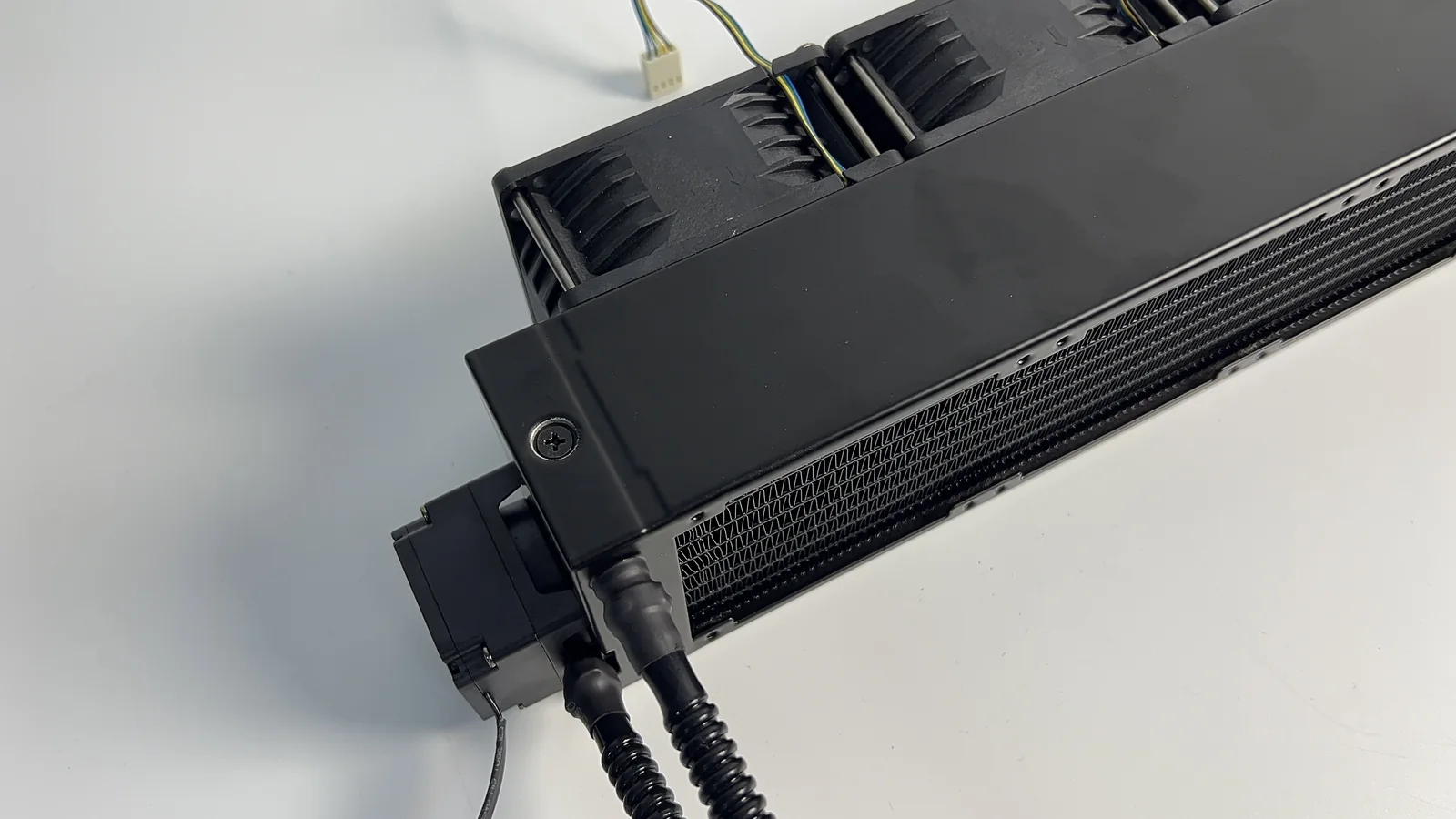
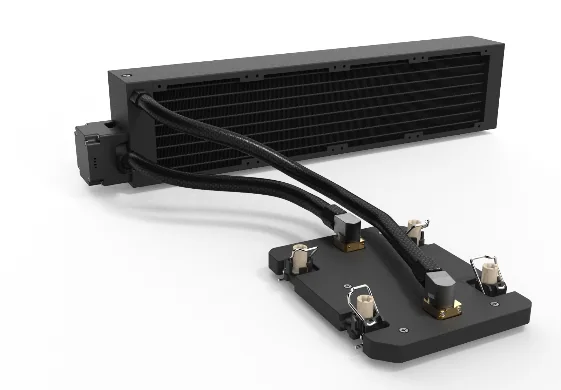
Compare CPU, GPU, server and workstation cooling modules with integrated workstation systems.
Compare product paths →02 · INTEGRATEReview heat sources, chassis space, coolant connections, controls and service access.
Review interfaces →03 · VALIDATEDefine test samples, operating conditions, methods and pass criteria.
Plan validation →04 · MANUFACTUREOrganize drawing-defined CNC features, inspection requirements and quotation inputs.
Prepare a file set →Explore the design considerations for each application. Product pages provide model examples and customization options.
Compare server cooling architectures and understand the connections between the module, server and external cooling equipment.
Server guide · D2C guide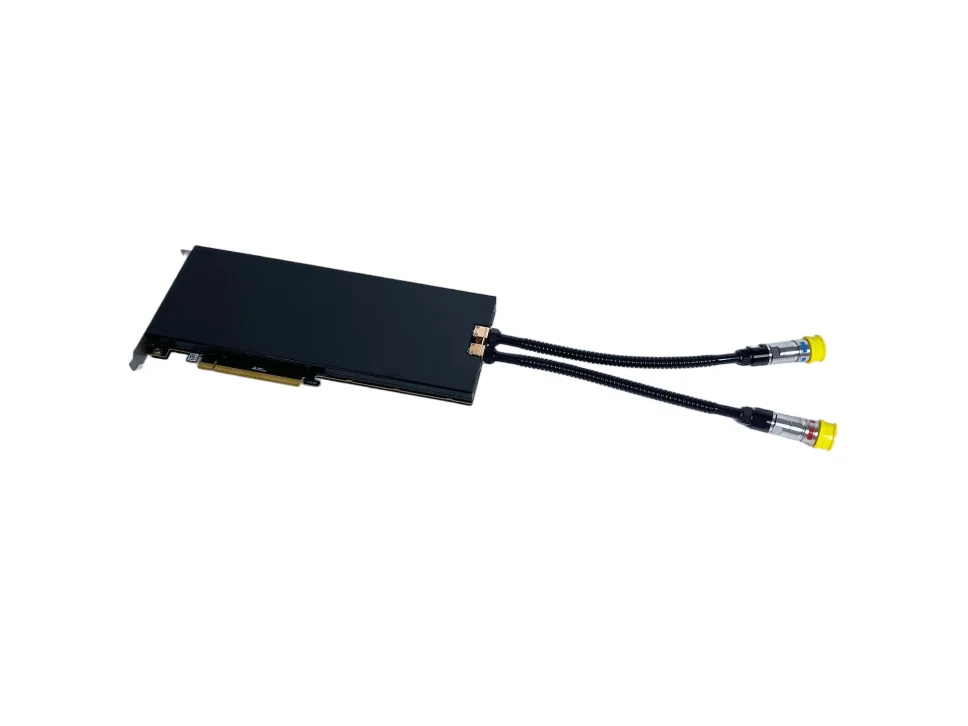
Understand CPU and GPU contact requirements, then plan design, prototyping, testing and production.
CPU vs GPU · OEM development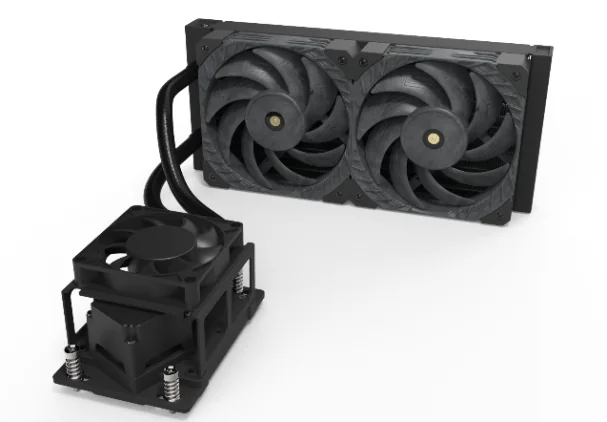
Plan module fit or complete-workstation cooling, including noise, controls and maintenance.
Module guide · System guide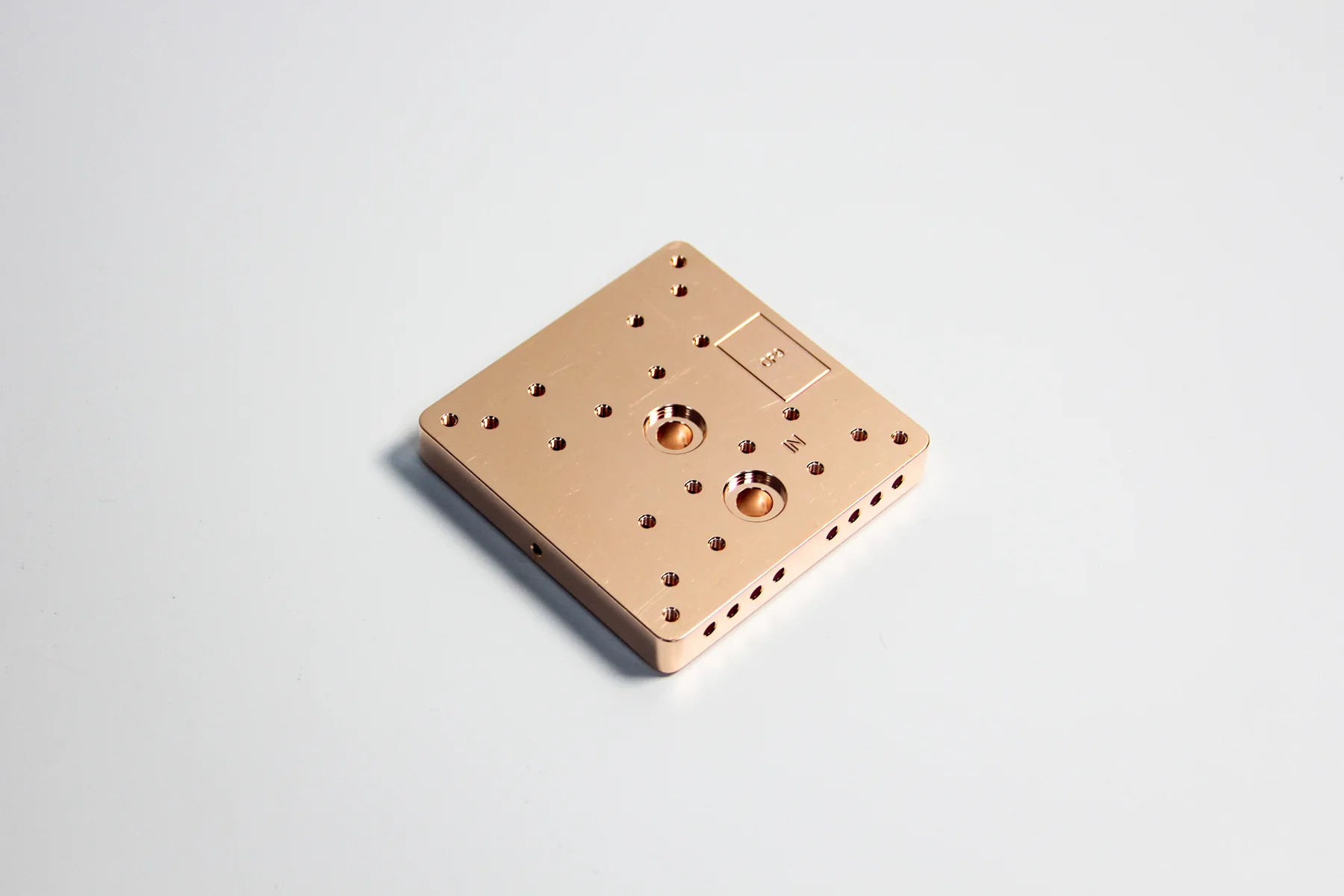
Prepare customer-defined channels, sealing features, datums, inspection and quotation requirements.
Read the CNC guide →Use these online checklists to organize your requirements before discussing the project with a supplier.
Platform, chassis, fluid boundary, validation and commercial inputs.
Separate product delivery, system integration and final validation.
Specify what to test, operating conditions, methods and pass criteria.
Align CAD, drawing, material, features, quantity and inspection.
Our main scope is liquid cooling modules and related engineering and manufacturing. Rack distribution, CDUs and facility-water equipment need to be agreed with the responsible system suppliers.
Start with hardware models, photos or layout sketches, estimated heat loads and space limits. Drawings will be needed to confirm final dimensions and fit.
These guides support early design and supplier discussions. Confirm product suitability against your drawings, operating conditions and agreed tests.
Send your equipment details, drawing or engineering question. We will help identify the product or manufacturing support your project needs.