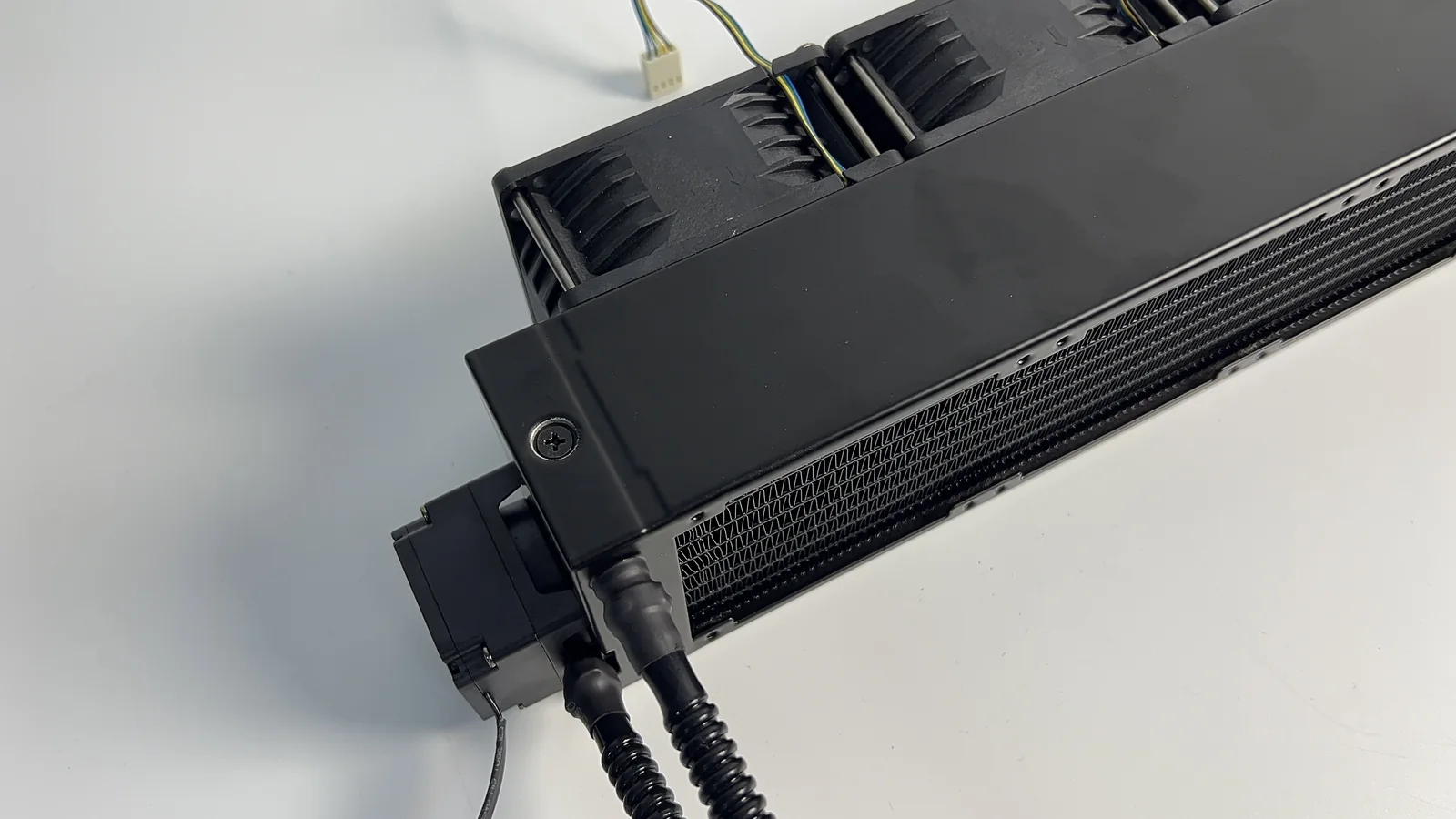
Cooling Module
Heat-source contact, internal flow path, sealing, tubing and defined connections.
MODULE SUPPLIERServer liquid cooling moves processor heat into a coolant loop. A closed-loop module rejects that heat through a radiator to server airflow; an externally connected system uses rack or facility cooling equipment. This guide explains the design inputs and tests needed for each arrangement.
View Server Module Scope
A closed-loop module works within the server and rejects heat to air. Externally connected liquid cooling adds rack distribution and facility interfaces. The four layers below help identify the equipment and integration work your project needs.
Heat-source contact, internal flow path, sealing, tubing and defined connections.
MODULE SUPPLIERBoard and chassis fit, airflow, service, controls and real compute workload.
SERVER OEM / INTEGRATORManifolds, node balancing, isolation, monitoring and service procedures.
EXTERNAL LIQUID SYSTEMSCDU, facility water, heat rejection, site controls and operating policy.
SITE COOLING TEAMRated power is only a starting point. Selection should use sustained and peak workloads, concurrent heat sources, allowed temperatures, server density, available airflow, service requirements and the infrastructure the site can support.
| Path | Useful when | Questions to resolve |
|---|---|---|
| Air cooling | Heat and acoustic targets remain manageable in the available chassis airflow. | Fan power, inlet temperature, altitude, filters and component hotspots. |
| Closed-loop liquid-to-air module | Processor heat can be moved to an internal radiator while the server continues to reject heat to air. | Radiator space, chassis airflow, pump and fan control, and residual component cooling. |
| Externally connected direct-to-chip | The server can connect to suitable rack or external liquid-cooling equipment. | Cold plates, coolant, flow distribution, connections, CDU or other heat-rejection equipment. |
Integration succeeds when mechanical, hydraulic and service inputs are reviewed together. A module cannot be assessed independently from its installation and external operating conditions.
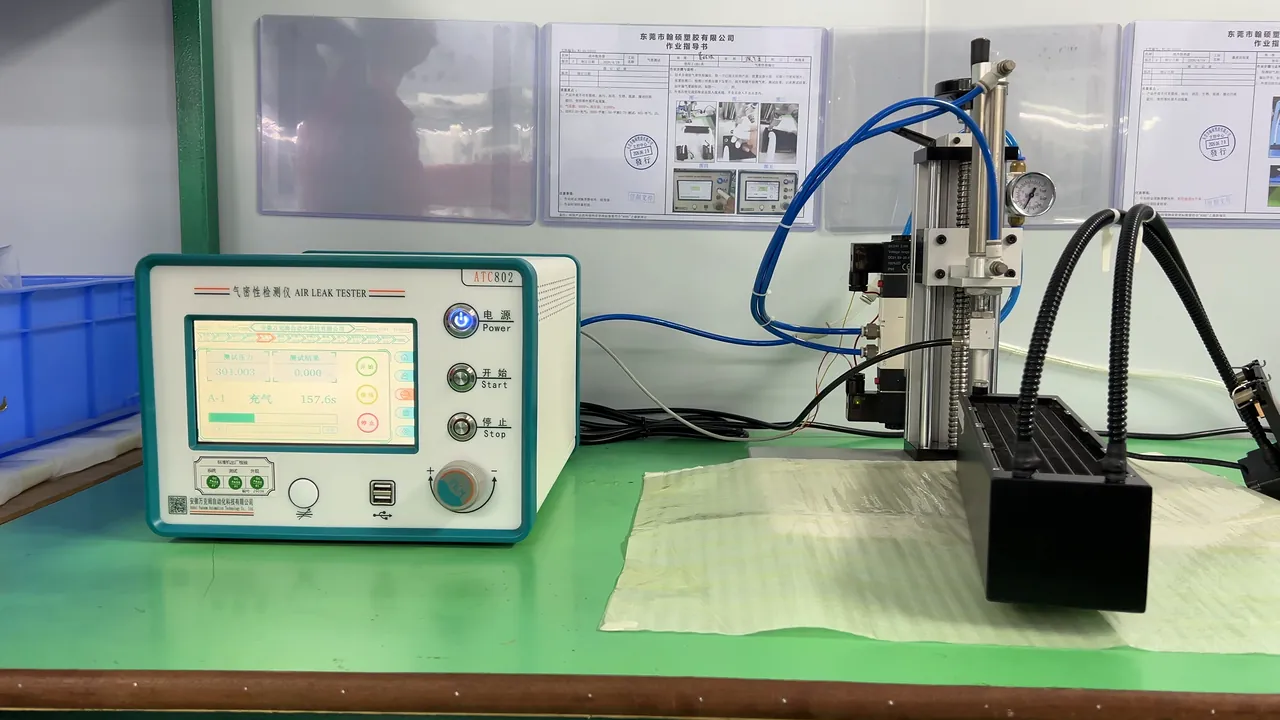
Specify leak-test conditions and check condensation risk against coolant temperature, ambient humidity and dew point. Test the module first, then verify the installed server and any external cooling system.
Check controlled dimensions, assembly, defined leak/pressure condition, flow function and agreed thermal evidence.
Run the real node configuration with airflow, control, service and abnormal-state conditions.
Validate balancing, CDU or facility interfaces, monitoring, isolation and operating procedures.
Give each supplier the same platform files, operating conditions, quantity and test requirements. Ask what is included, what you must provide and which details still need confirmation.
| Supplier review | Evidence to request |
|---|---|
| Engineering | Input-gap list and boundary drawing |
| Manufacturing | Controlled process and inspection plan |
| Validation | Condition, method, result and disposition |
| Change control | Approved baseline and impact review |
For model examples and customization options, see the Server Liquid Cooling Modules page.
ThermalBro’s documented core scope is server liquid cooling modules and related engineering and manufacturing. Rack distribution, CDU and facility-water equipment must be defined with the customer and the responsible infrastructure suppliers.
Provide the server form factor, board and processor platform, heat sources and workloads, chassis files, routing and connection constraints, external-loop conditions, validation goals, quantities and target project stage.
State the workload, duration, ambient and inlet conditions, coolant, flow or pressure condition, fan and pump control, temperature measurement points, sample configuration and acceptance rule.
Module validation checks agreed fit, sealing, flow and thermal evidence for the supplied module. Rack-level validation also includes node interaction, distribution, CDU or facility interfaces, controls and operating procedures owned by the system and site teams.
Method sources: Open Compute Project Cold Plate Cooling and OCP cold-plate loop/qualification publications. External references explain methods; they do not certify ThermalBro products.
Share the board and chassis files, heat sources, workload and expected quantity. Tell us whether the server uses an internal radiator or connects to external cooling equipment.