Skip to content
AI Servers & GPU Computing

Liquid Cooling for AI Servers and GPU Computing

We design CPU, GPU and server cooling modules for sustained computing loads. Cold-plate contact, mounting and coolant routing are matched to the board revision and server layout, with the external cooling loop specified by your system team.

Discuss AI Server Cooling
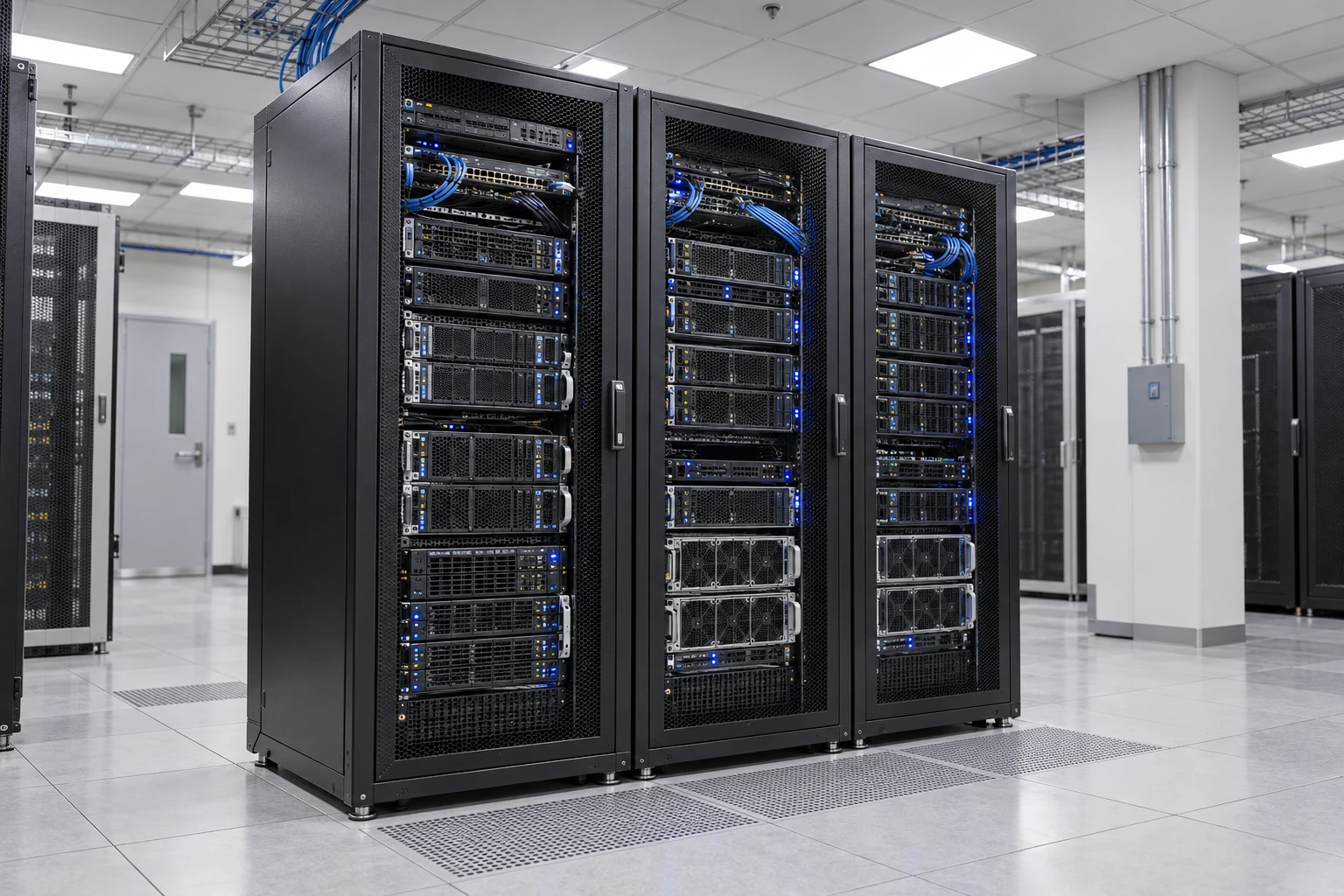
Illustration of server cabinets in a bright equipment room for AI and GPU computing

Size the Cooling Design for the Actual Workload

Cooling requirements depend on which devices run together and how long the load lasts. We use your operating temperatures, coolant conditions and workload data to define the module requirements.

Include normal and peak operating conditions

Record idle, sustained training or inference, concurrent-device load, peak events and the abnormal cases the system owner expects to manage.

SUSTAINEDCONCURRENTPEAK
Hardware identityCPU, GPU or accelerator, PCB or motherboard revision and heat-source map.
Operating limitsAllowed temperatures, ambient, inlet temperature and representative workload.
Fluid conditionsCoolant, expected flow and pressure range, pump and heat-rejection assumptions.
Node constraintsChassis CAD, keep-outs, connection direction, routing, airflow and service access.

CPU/GPU Modules or a Server Cooling Assembly

We can focus on a specific processor or GPU board, or review a larger cooling assembly within the server. The choice depends on the hardware your team needs us to supply.
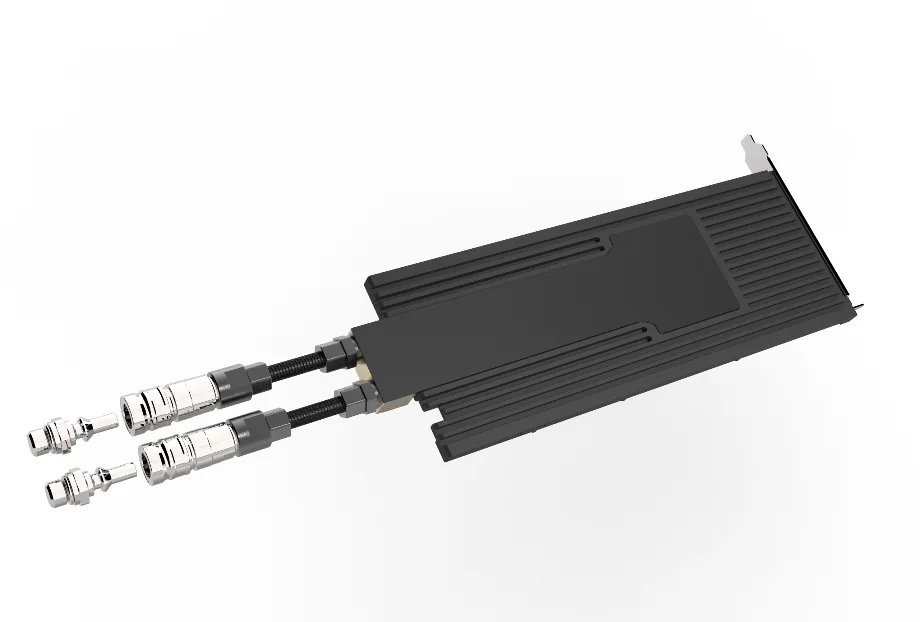
GPU liquid cooling module showing a board-side interface

CPU or GPU Module

A platform-specific cooling module for the contact areas, mounting and fluid connections of a particular socket or GPU board.
  • Heat-source and contact map
  • Mounting, keep-outs and tubing
  • External loop supplied as an interface
Review CPU & GPU modules
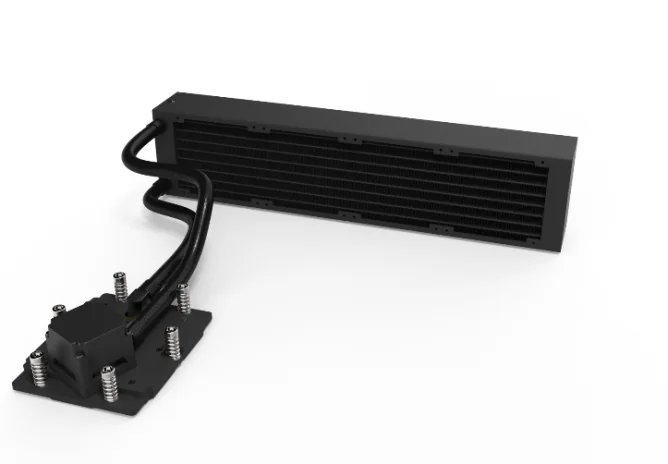
Server liquid cooling module with node-level radiator and contact assembly

Server Liquid Cooling Module

A cooling assembly developed around the server chassis, multiple heat sources, internal tube routing and maintenance access.

  • Node mechanical and fluid architecture
  • Multi-branch flow and connection access
  • Installation and replacement sequence
Review server modules
Heat SourceExact device, contact and load case
ModuleCooling components supplied by ThermalBro
NodeServer integration and system testing
Rack / FacilityExternal system-owner responsibility

Contact, Coolant Flow and Installation Checks

Before building a prototype, we review how the cold plate contacts the components, how coolant moves through the assembly and how the module fits inside the server.

RiskRequired inputDesign checksTeams involved
Local hotspot or poor contactExact board, component heights, contact map and loading limits.Review contact coverage, interface stack, mounting and clearance.ThermalBro + platform owner
Uneven flow or excessive pressure dropBranch layout, coolant, flow/pressure window and heat-rejection side.Evaluate the coolant path and record flow and temperature conditions during testing.ThermalBro + loop owner
Tube or connector interferenceChassis CAD, assembly motion, service route and connection direction.Review routing, bend radius, retention, access and leak impact area.Node owner
Unreviewed platform revisionPCB, motherboard, chassis, connector and BOM identity.Check how a hardware change affects fit, cooling and the required tests.Engineering and quality teams

Test the Module, Server and Workload

A module test cannot show how the whole server behaves. We agree component checks with your team, then the system owner tests the assembled server under representative loads.
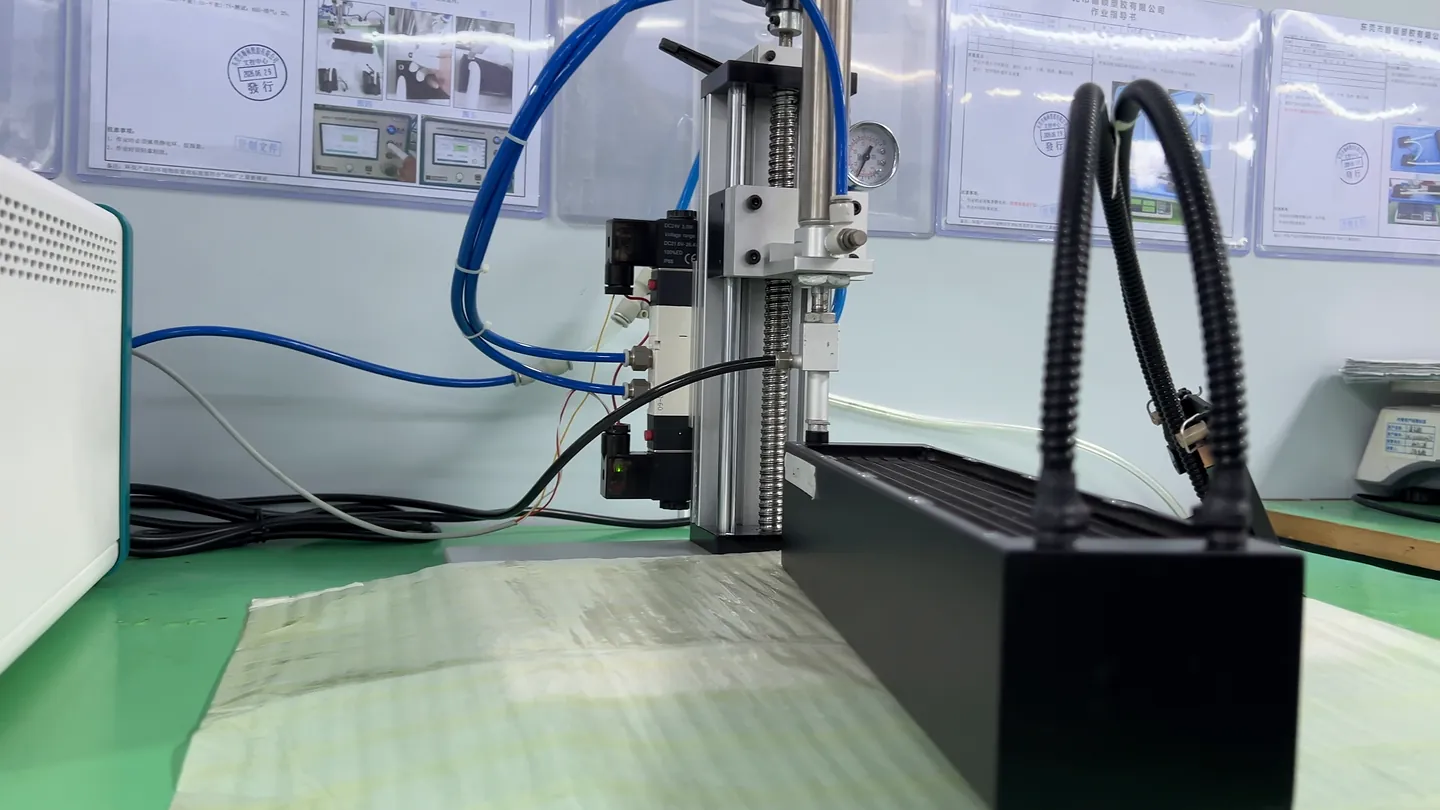
Side view of a liquid cooling module connected to air leak test equipment.

01 / Module Testing

Check the assembly, dimensions and agreed leak, pressure, flow or thermal performance under recorded conditions.
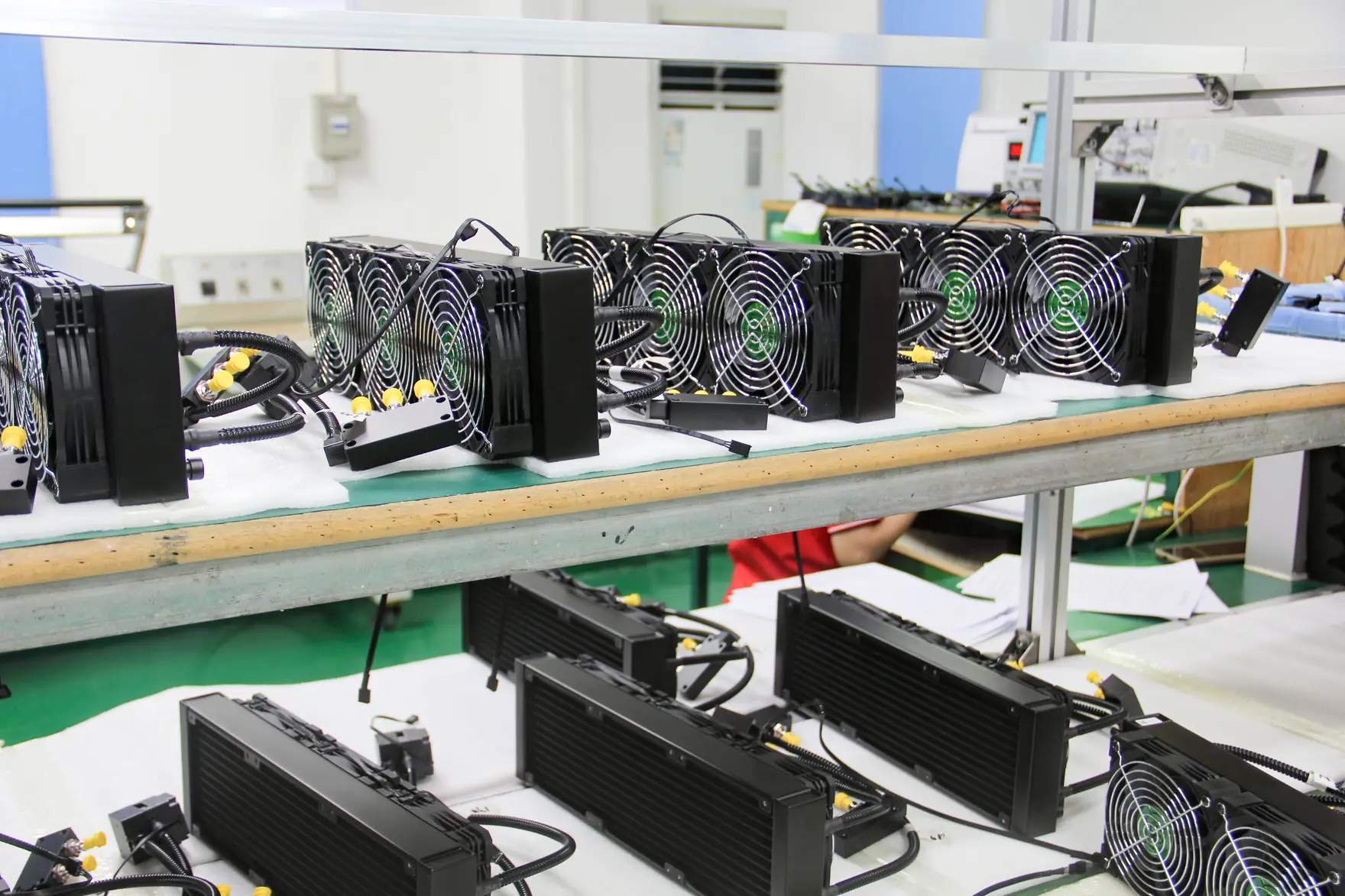
Controlled batch of ThermalBro liquid cooling modules

02 / Server Integration

Verify routing, interfaces, multi-branch flow, residual airflow, control connections and service on the exact node.

Illustration of server cabinets in a bright equipment room for AI and GPU computing

03 / Workload Testing

Your system team tests concurrent device loads, controls, remaining airflow and expected fault responses on the complete server.

From Prototype to Repeat Production

We use the agreed prototype to establish the drawings, assembly details and inspection requirements for repeat production.
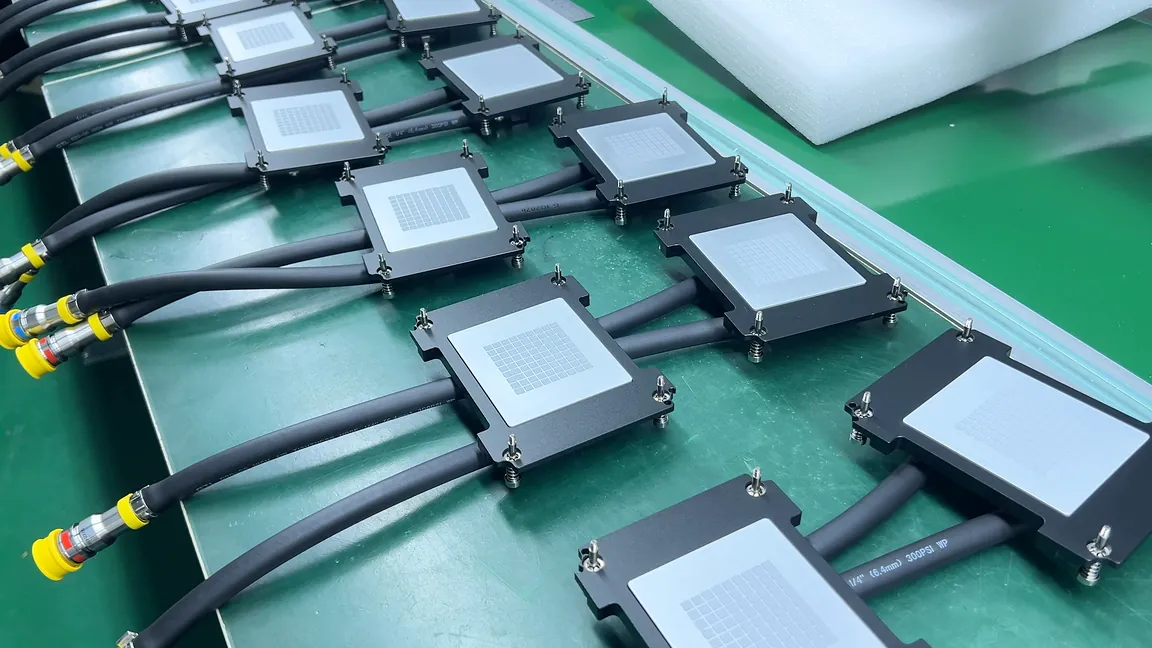
Batch of liquid cooling modules with cold plates and connected hoses.View full photo โ†—
Batch of liquid cooling modules with cold plates and connected hoses.

Prototype

Build a sample to check fit, routing, sealing and the agreed cooling performance.

Pilot

Confirm fixtures, work instructions, critical inspections, test records, labels and packaging.

Production

Use the approved component list and assembly instructions. Review hardware changes before applying them to repeat orders.

Review Manufacturing & Assembly ยท Review Testing & Reliability

AI Server Liquid Cooling FAQ

Answers about module selection, hardware compatibility and complete-server testing.

Does ThermalBro supply the complete rack, CDU or facility cooling system?
Our standard scope is CPU/GPU or server cooling modules. Rack distribution, CDUs, facility water and site operation remain with your system partners unless expressly agreed otherwise.
When should an AI server project use a CPU or GPU module instead of a server module?
Use the CPU or GPU module route for a specific socket or PCB heat-source interface. Use the server module route when the chassis, several cooled devices, internal routing or node service are also part of the decision.
Which workload and node files are needed for review?
Provide exact device and board revisions, chassis drawings, heat-source and contact maps, sustained and peak workloads, coolant and external-loop conditions, routing limits and acceptance goals.
How are board and accelerator revisions controlled?
Identify every approved board, chassis and cooling-module combination. A PCB, component-height, mounting, connector or chassis change requires impact review before an earlier result is reused.
Can several CPUs and GPUs share one cooling loop?
We can evaluate a shared loop. The design depends on the combined heat load, coolant flow, pressure drop, pump, radiator or external heat exchanger, and available tube routing.
Does module testing approve sustained AI workload performance?
No. The system owner must validate the exact node with its concurrent devices, controls, residual airflow and representative sustained workloads.
Can ThermalBro confirm universal GPU or accelerator compatibility?
No. Compatibility depends on the exact board revision, contact areas, mounting, component heights, chassis, routing and operating conditions.

Discuss Your AI Server Cooling Requirements

Share the board and chassis files you have, together with workload and coolant information. We will review the module design and identify any additional inputs needed for a prototype.

  • CPU, GPU and accelerator identities
  • Sustained and peak workload cases
  • PCB, motherboard and chassis files
  • Coolant, flow and external-loop conditions
  • Project stage and expected quantity
  • Required tests and acceptance criteria
Request a Cooling Design Review