Skip to content
Data Center & HPC

Liquid Cooling Modules for Data Center and HPC Servers

We develop server cooling modules around your processor platform, chassis and coolant connections. Our work covers the agreed cold plates, tubing and module assembly, with fit, service access and testing coordinated with your server team.

Discuss Server Cooling

Illustration of a data-center aisle with server cabinets and overhead cable trays

Our Supply Scope and System Connections

We supply the agreed server cooling module. Your server and infrastructure teams provide the surrounding node, rack and facility systems, as outlined below.

LayerTypical ThermalBro scopeCustomer or partner inputSystem validation
Heat source and moduleCold plates, tubing, connections and server cooling module assembly as specified for the project.Exact device, board, mounting, heat case and allowable operating conditions.ThermalBro + server OEM
Server nodeModule mounting, tube routing and service connections within the agreed server layout.Chassis, motherboard, airflow, controls, maintenance and complete-node test.Server OEM / integrator
Rack distributionModule connection details for integration with the rack liquid circuit.Distribution hardware, hydraulic design, isolation, monitoring and rack integration.Rack integrator
CDU and facilityNot included in our standard module supply.Coolant quality, facility conditions, piping, controls, commissioning and site operation.Facility / system owner
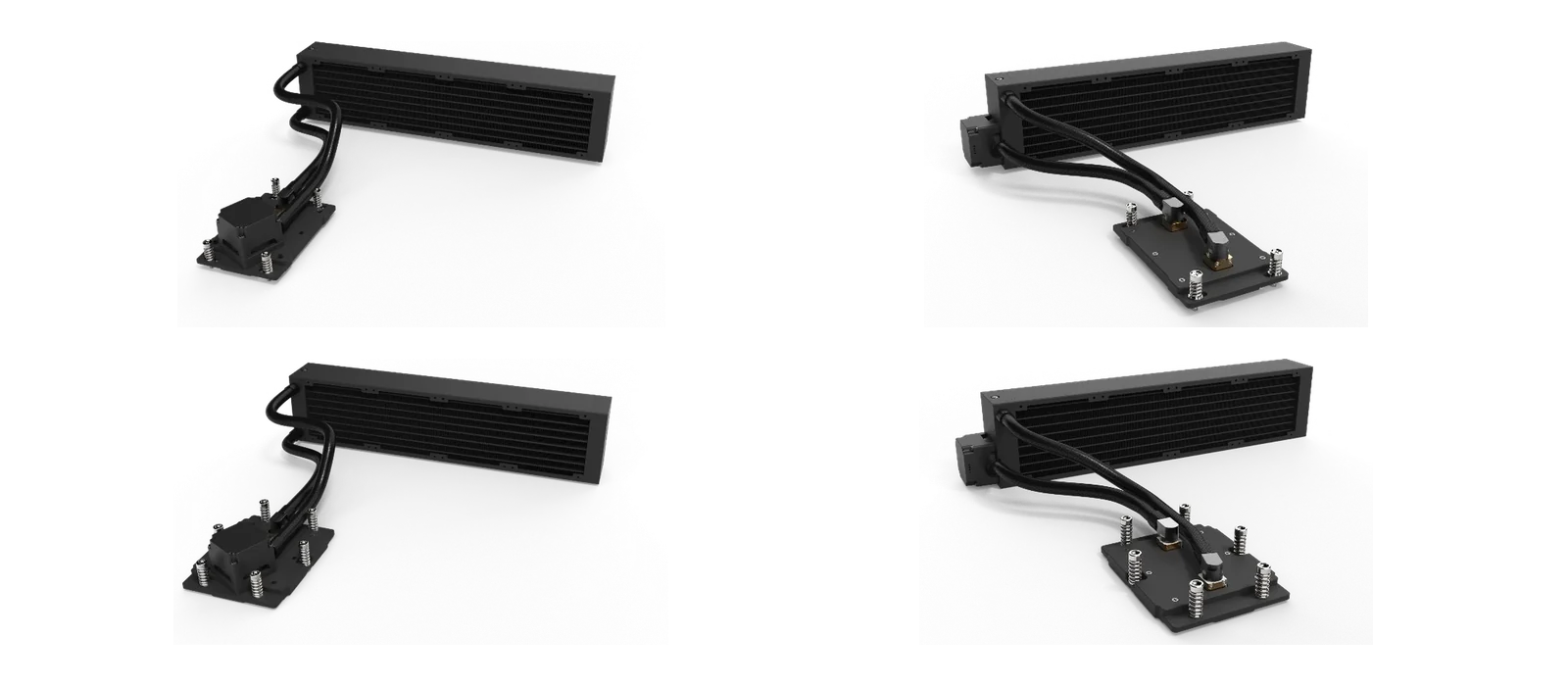
AMD 2U server liquid cooling modules for node service review

Connections That Support Server Maintenance

We review fitting access, tube support and replacement clearances against your server layout. The complete maintenance procedure is validated by the server or system team.

  1. Connection access: check fitting direction, hand space and mating hardware.
  2. Node movement: confirm tray travel, tube support and cable clearance.
  3. Isolation and residual fluid: follow the process defined by the external-loop owner.
  4. Replacement identity: match the spare to the approved node and module revision.
  5. Return to service: complete the system checks required before restarting the server.

Review Server Liquid Cooling Modules

Consistent Modules Across Server Builds

Production modules need to match the approved server configuration. Drawings, component lists, assembly instructions and inspection records keep repeat orders and replacement parts aligned.

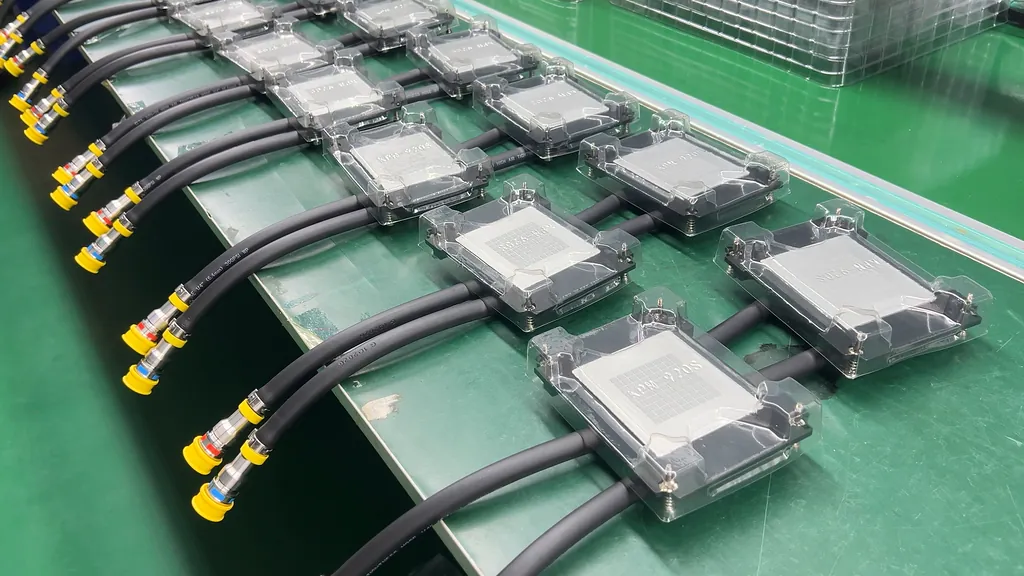
Liquid cooling modules with protective film arranged in two rows.View full photo โ†—
Liquid cooling modules with protective film arranged in two rows.

Record each configuration

  • Node, board, CPU/GPU and chassis revision
  • Module drawing, BOM, interface and tube orientation
  • Work instruction, inspection points and release tests
  • Label, packaging and approved spare configuration

Check changes before production

  • Identify the affected deployment wave and node variants
  • Review fit, flow, service and test impact
  • Update fixtures, records and first-article requirements
  • Check the actual mounting and interfaces when a platform changes
01 / PILOTCheck the sample assembly and installation information.
02 / DEPLOYMENT WAVEBuild the approved combinations of server and cooling hardware.
03 / DESIGN CHANGESAssess hardware, interface or process changes before reuse.

Module Tests and Complete-System Validation

Module testing checks the cooling assembly. Your server and infrastructure teams then verify its performance and operation within the complete node, rack and site.
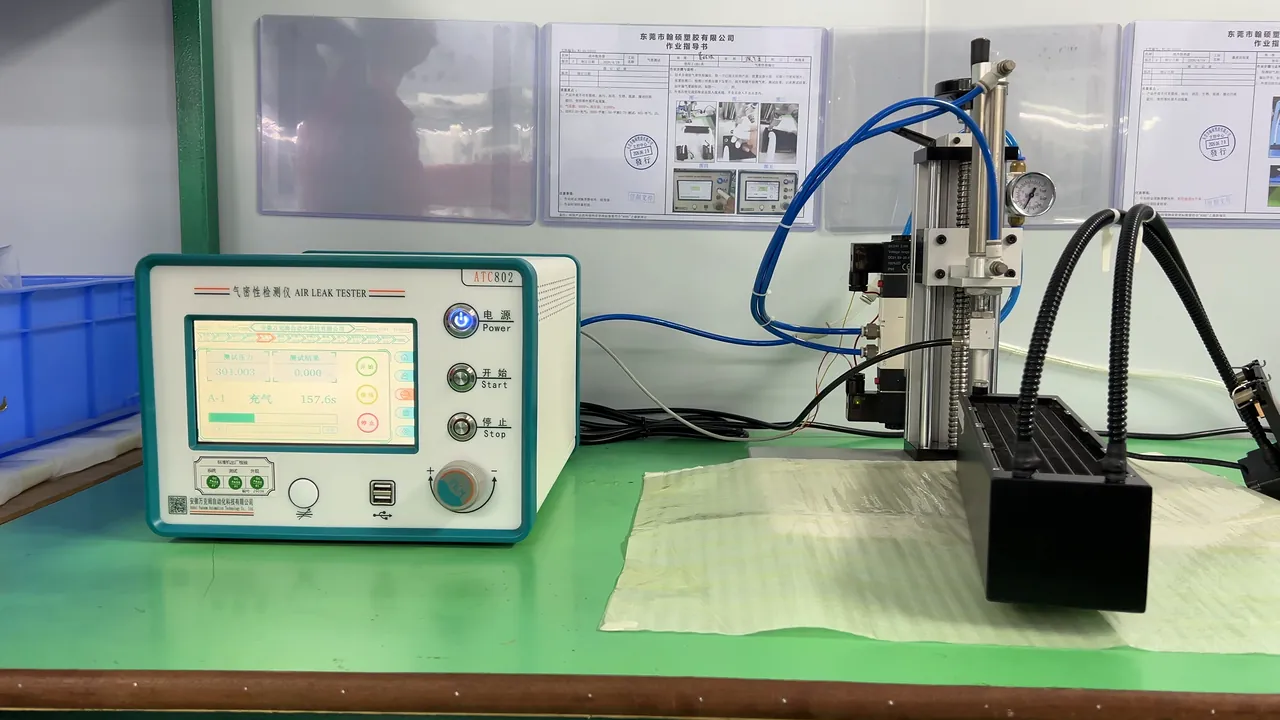
Liquid cooling module air leak test workstation with tester and fixture.

Module tests

We agree dimensional, assembly, leak, pressure, flow or thermal checks and record the applicable test conditions.

ThermalBro server liquid cooling module for node integration

Server tests

The server owner validates load, internal flow, airflow, controls, maintenance and transport on the exact node.

Illustration of a data-center aisle with server cabinets and overhead cable trays

Rack and site checks

The system parties validate distribution, monitoring, abnormal operation, procedures and site conditions.

Review Testing & Reliability ยท Open the Server Project Input Checklist

Data Center and HPC Cooling FAQ

Common questions about module supply, rack connections, repeat orders and testing responsibilities.

Does ThermalBro provide racks, CDUs or facility water infrastructure?
These are not part of our standard supply. We provide server cooling modules and agree their connections with the server or system integrator. Any additional supply or site work must be expressly agreed.
Which node and rack interface data are needed for review?
Provide node and board revisions, heat sources, chassis and rack geometry, service direction, connector and tube limits, coolant and external-loop conditions, node mix and acceptance responsibilities.
How are several node variants controlled?
Each server variant should have a matching module drawing, component list and test specification. Clear part numbers and revision records help avoid mixing incompatible assemblies or spares.
Does ThermalBro provide on-site installation or commissioning?
On-site work is not assumed. Installation, commissioning and site acceptance must be assigned to the responsible system party in the project scope.
Who defines coolant and facility operating conditions?
The external-loop owner supplies coolant, inlet temperature, flow, pressure, water-quality and control requirements. ThermalBro reviews the module interface against the agreed values.
How should module and site acceptance be separated?
We agree and record module-level checks. Your server team validates the complete node, while the rack and facility teams check distribution, controls and site operation.
How should deployment spares be planned?
Spare assemblies should match the approved configuration identity, connection details, service procedure, packaging and release checks. Interchangeability should not be assumed across revisions.

Discuss Your Server Configuration

Send the server layout, heat loads and available coolant connections. We will review module fit, routing and the tests needed for your project.

  • Node types, quantities and heat loads
  • Board, chassis and service geometry
  • Rack connection and fluid conditions
  • Maintenance and abnormal-operation process
  • Prototype quantities and rollout schedule
  • Module and system test requirements
Request a Server Cooling Review