Skip to content
  1. Home
  2. Products
  3. Server Liquid Cooling Modules

Custom Server LiquidCooling Modules for 1U,2U and 4U Systems

We design and manufacture closed-loop server liquid cooling modules for selected AMD and Intel platforms. Each module brings the cold plate, pump, tubing, radiator and fans together around your board, chassis and thermal target—from the first prototype to repeat production.

View Product Families →
Formats1U / 2U / 4U
ReferencesAMD / Intel
ArchitectureClosed-loop liquid-to-air
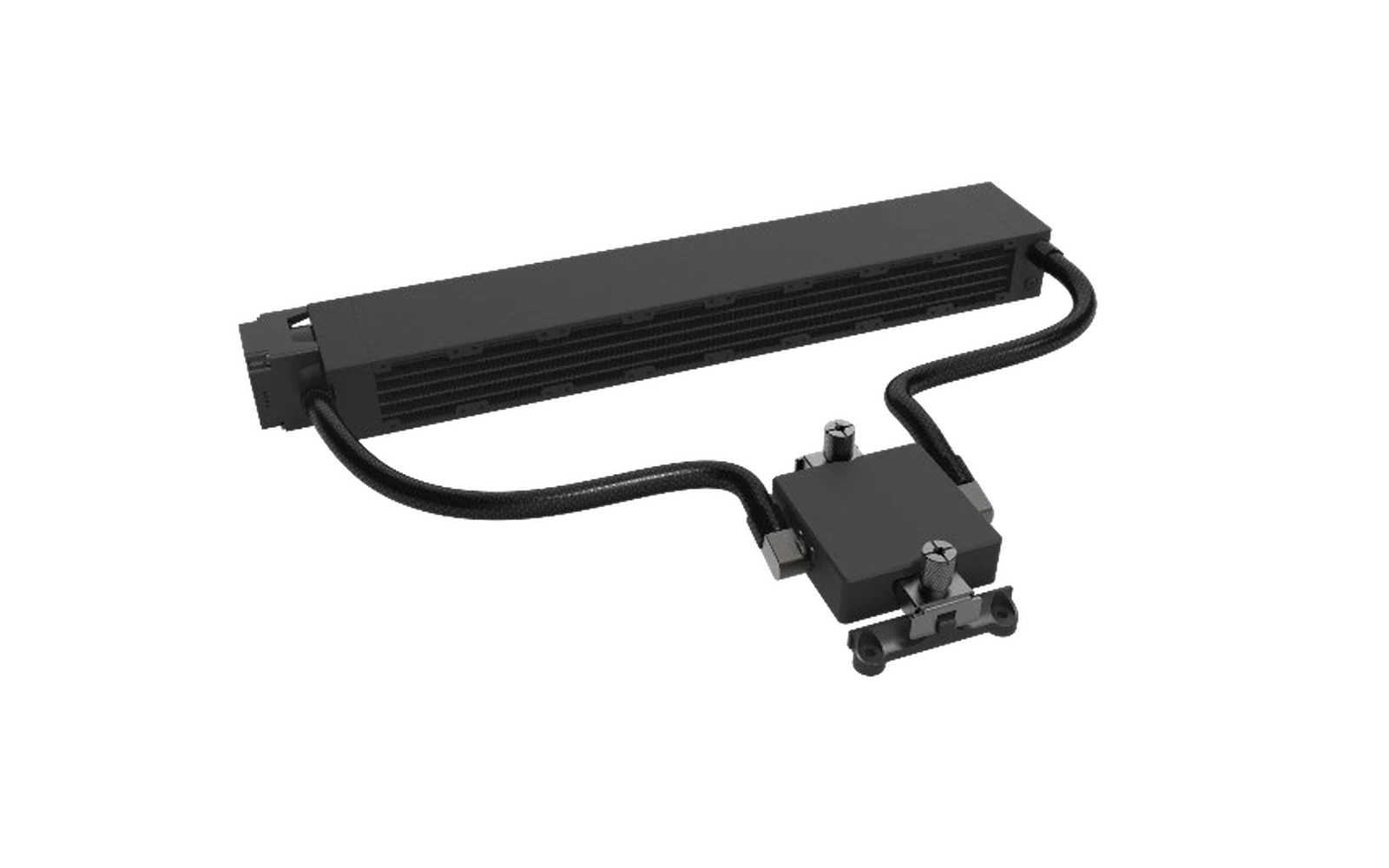
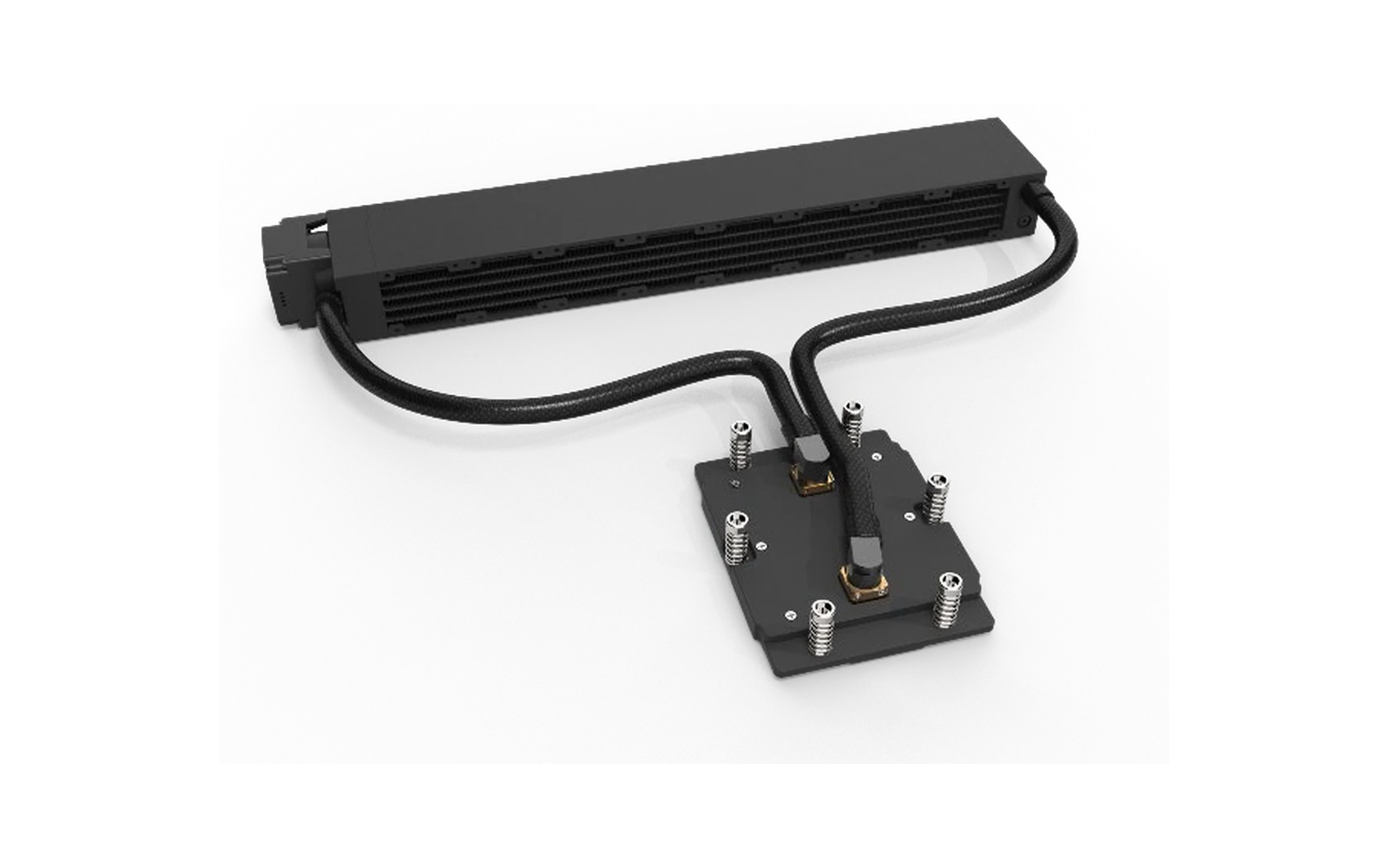
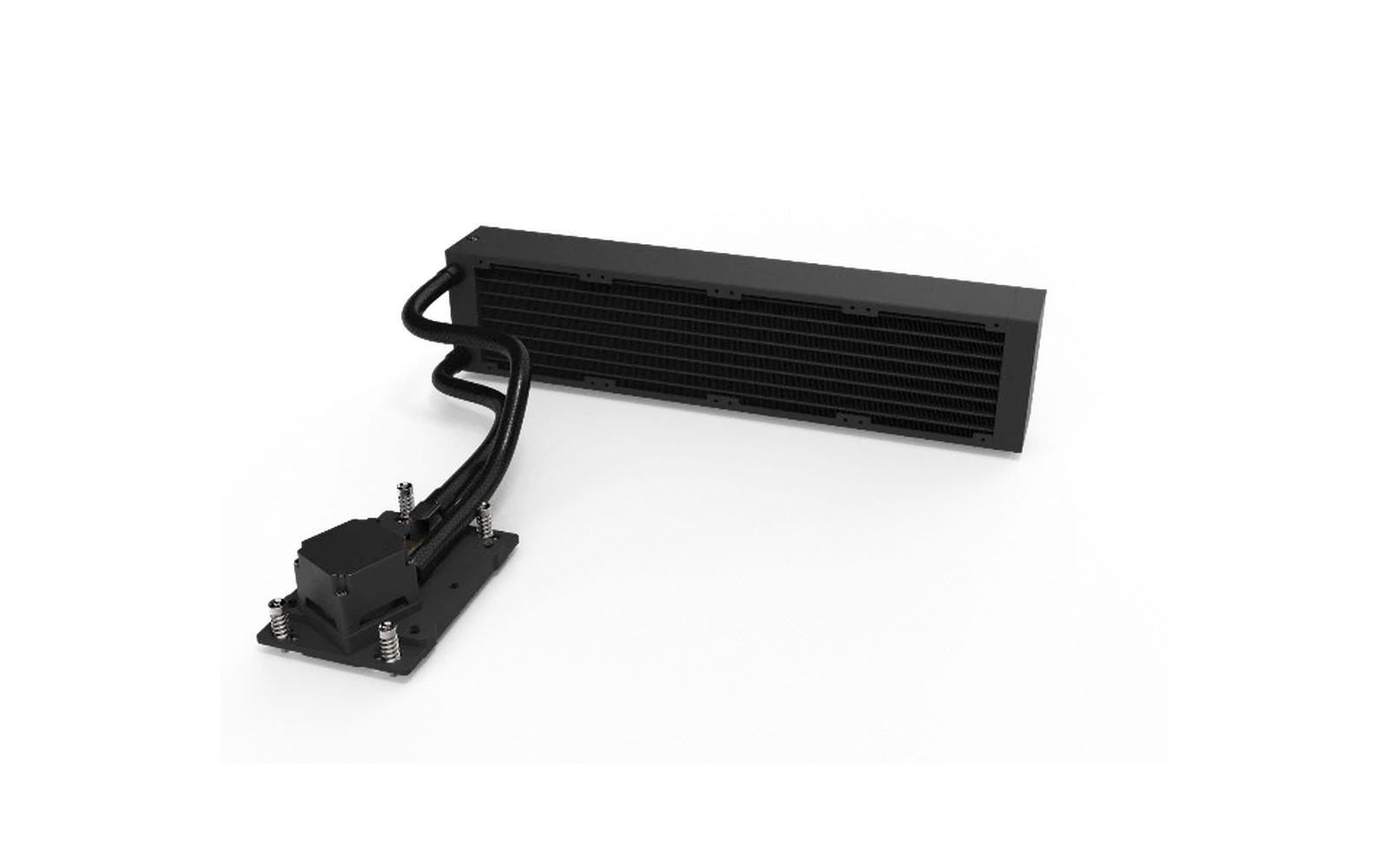
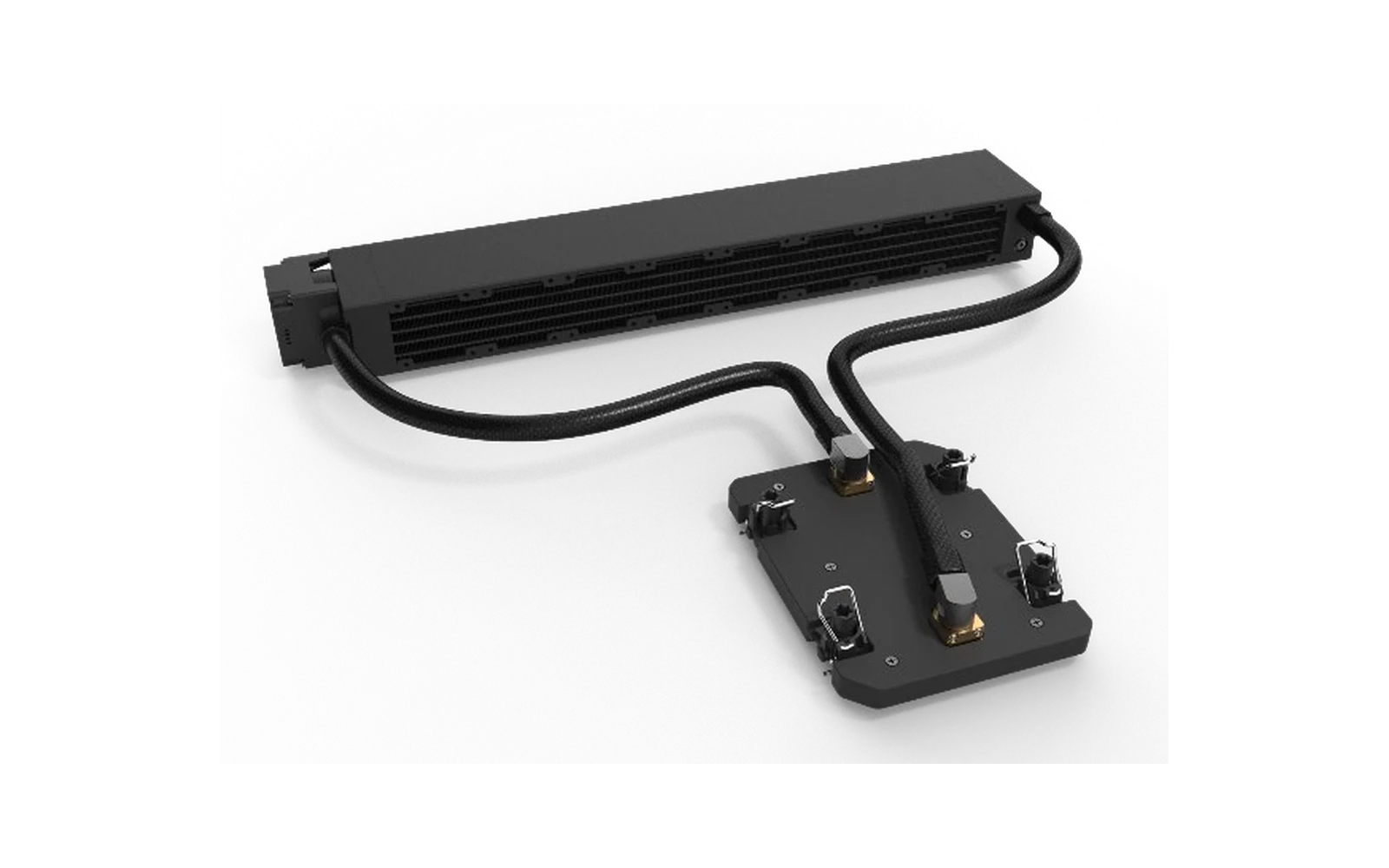
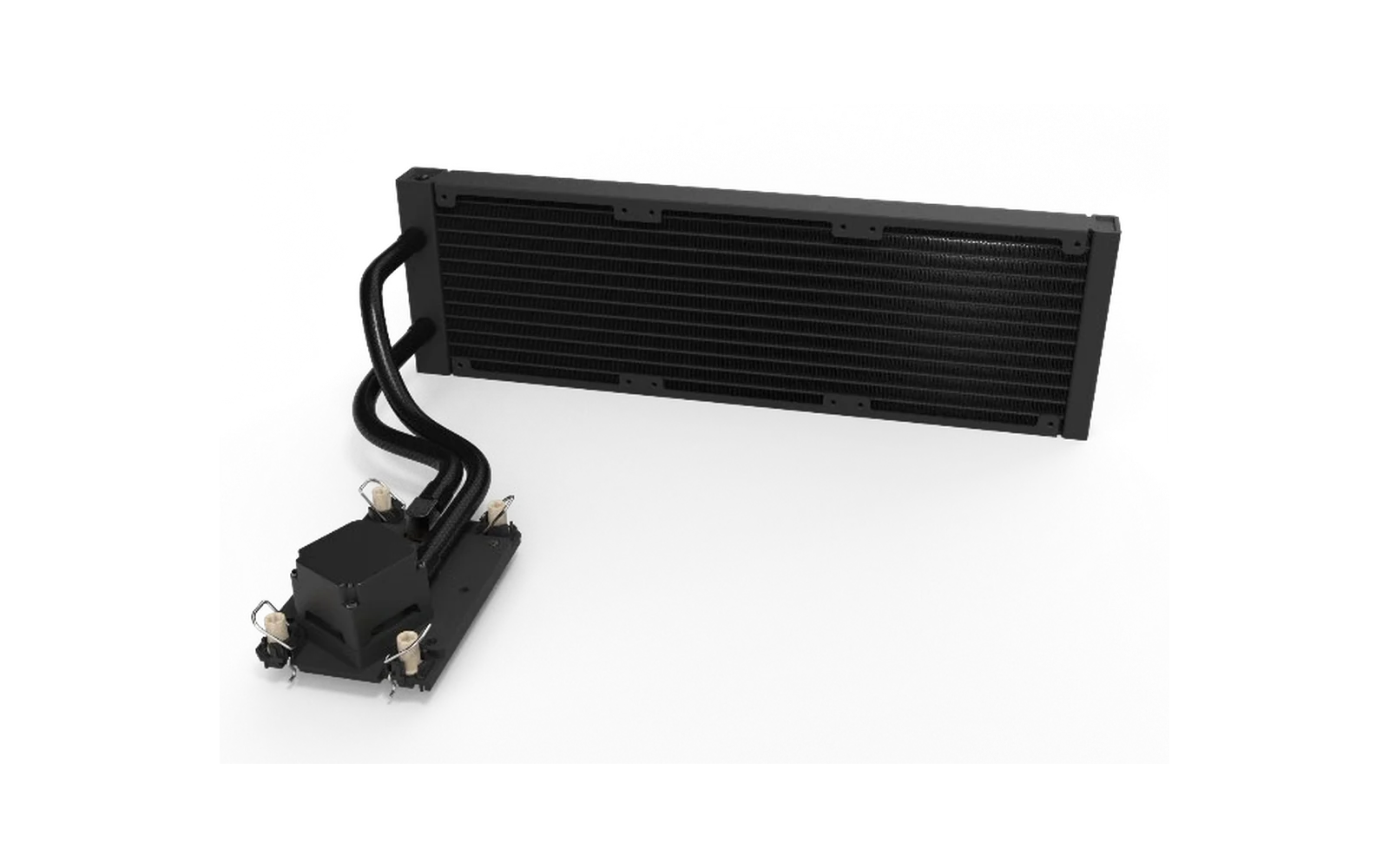
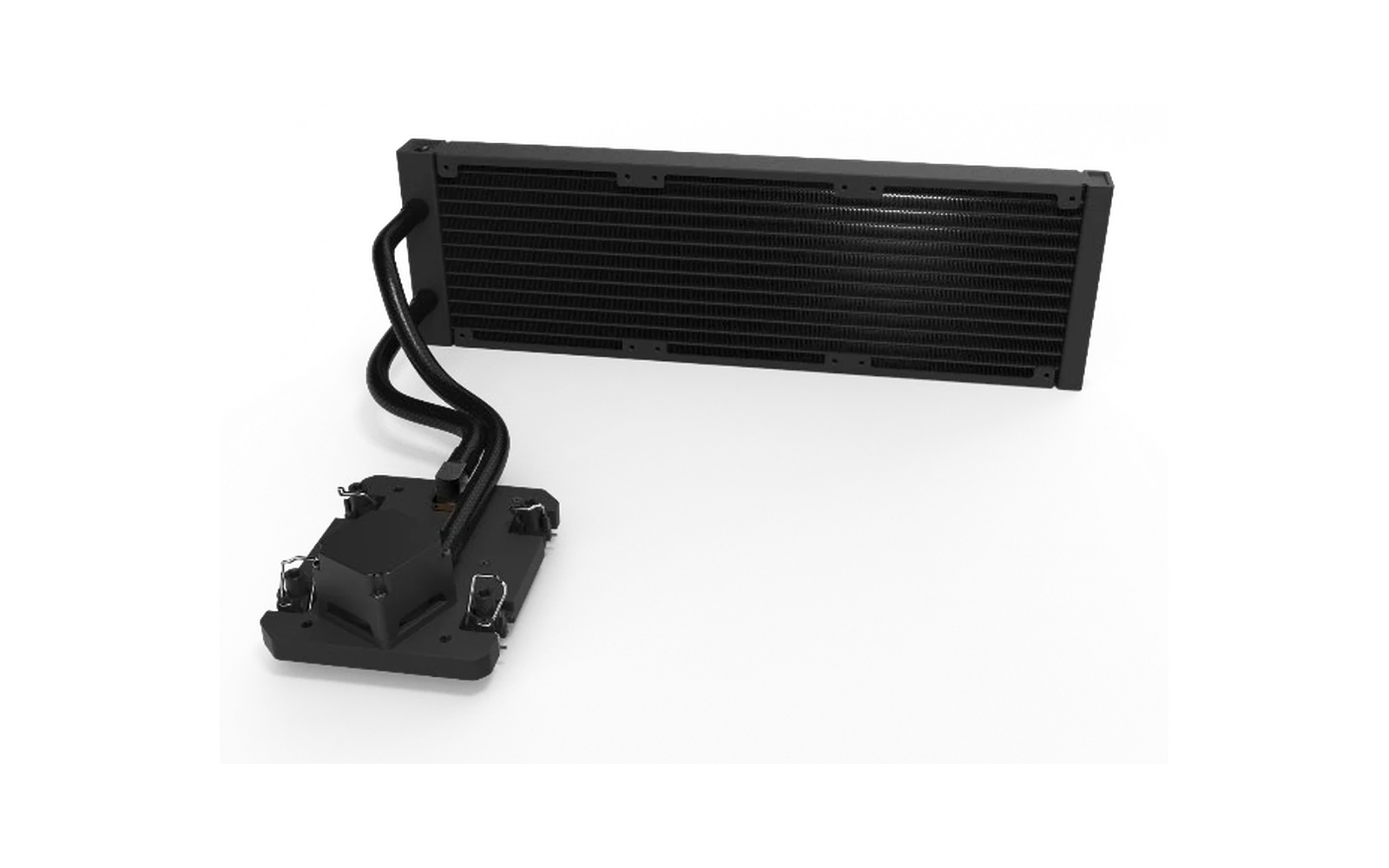
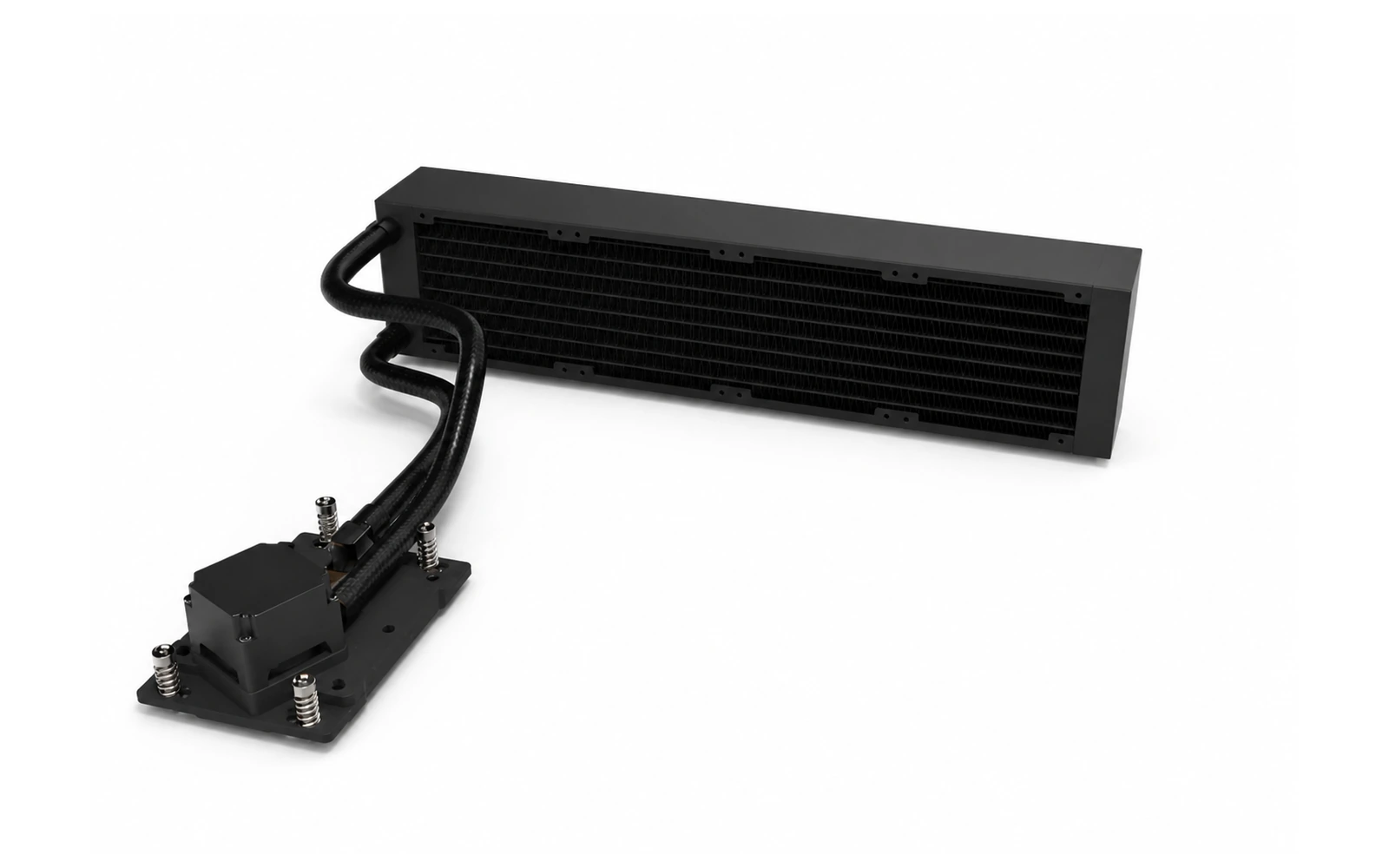
Complete ThermalBro closed-loop server liquid cooling module with cold plate, pump, tubing and radiator
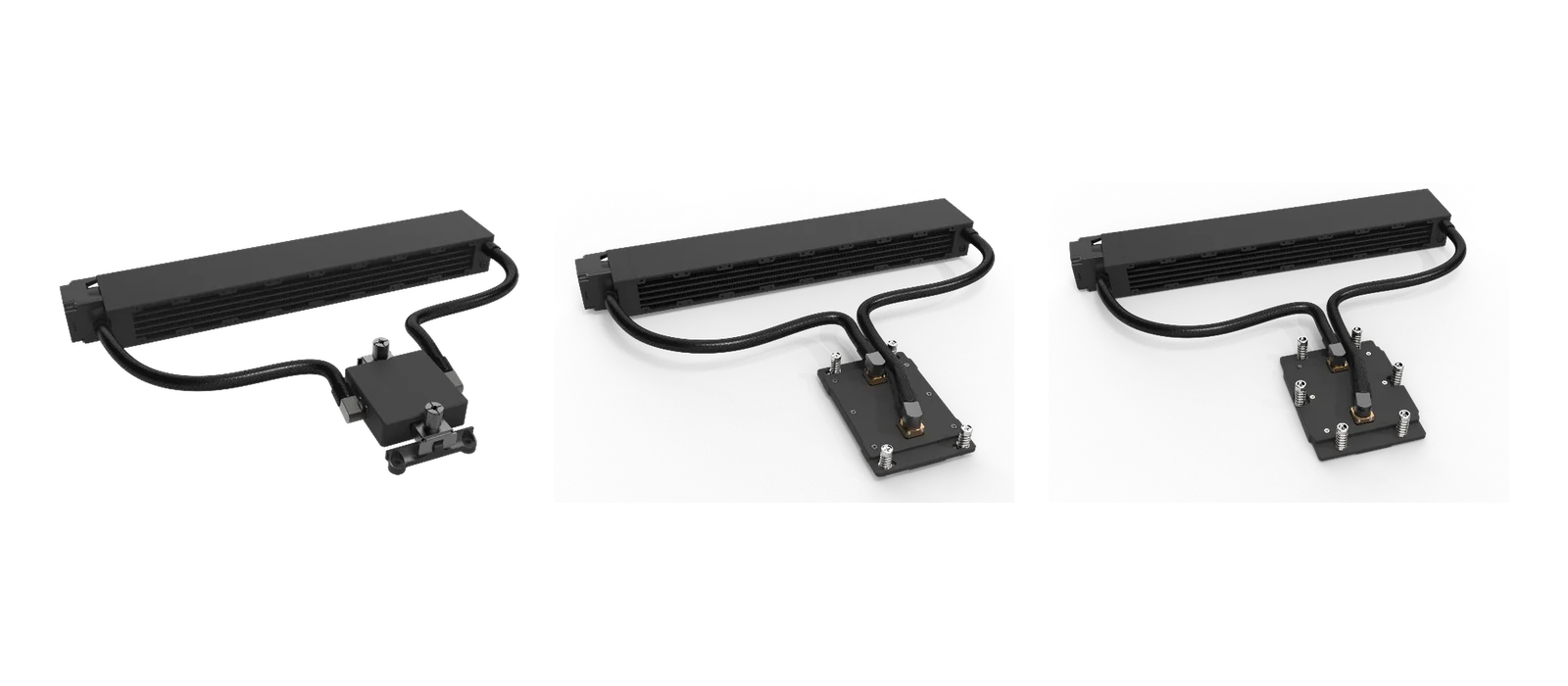
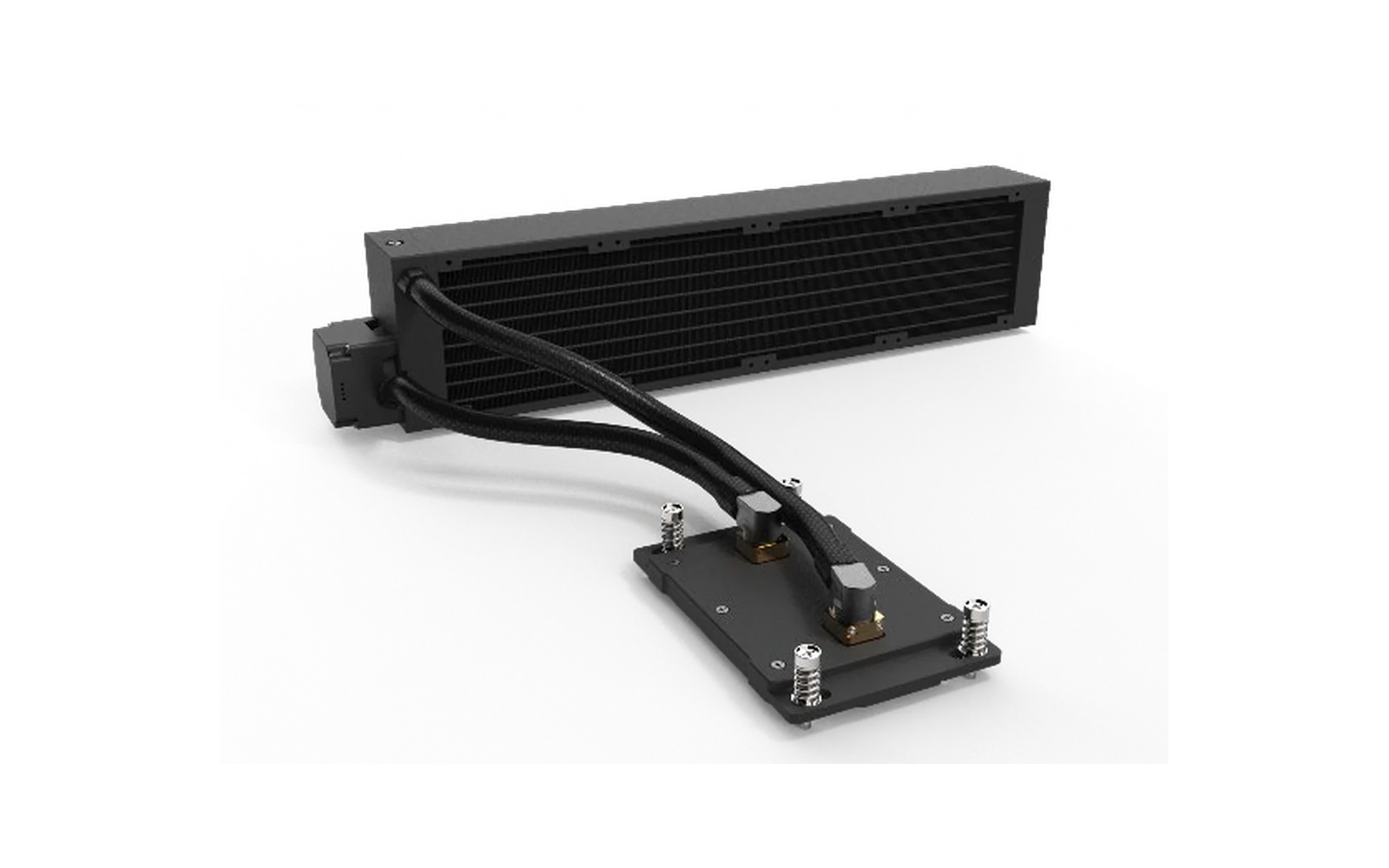
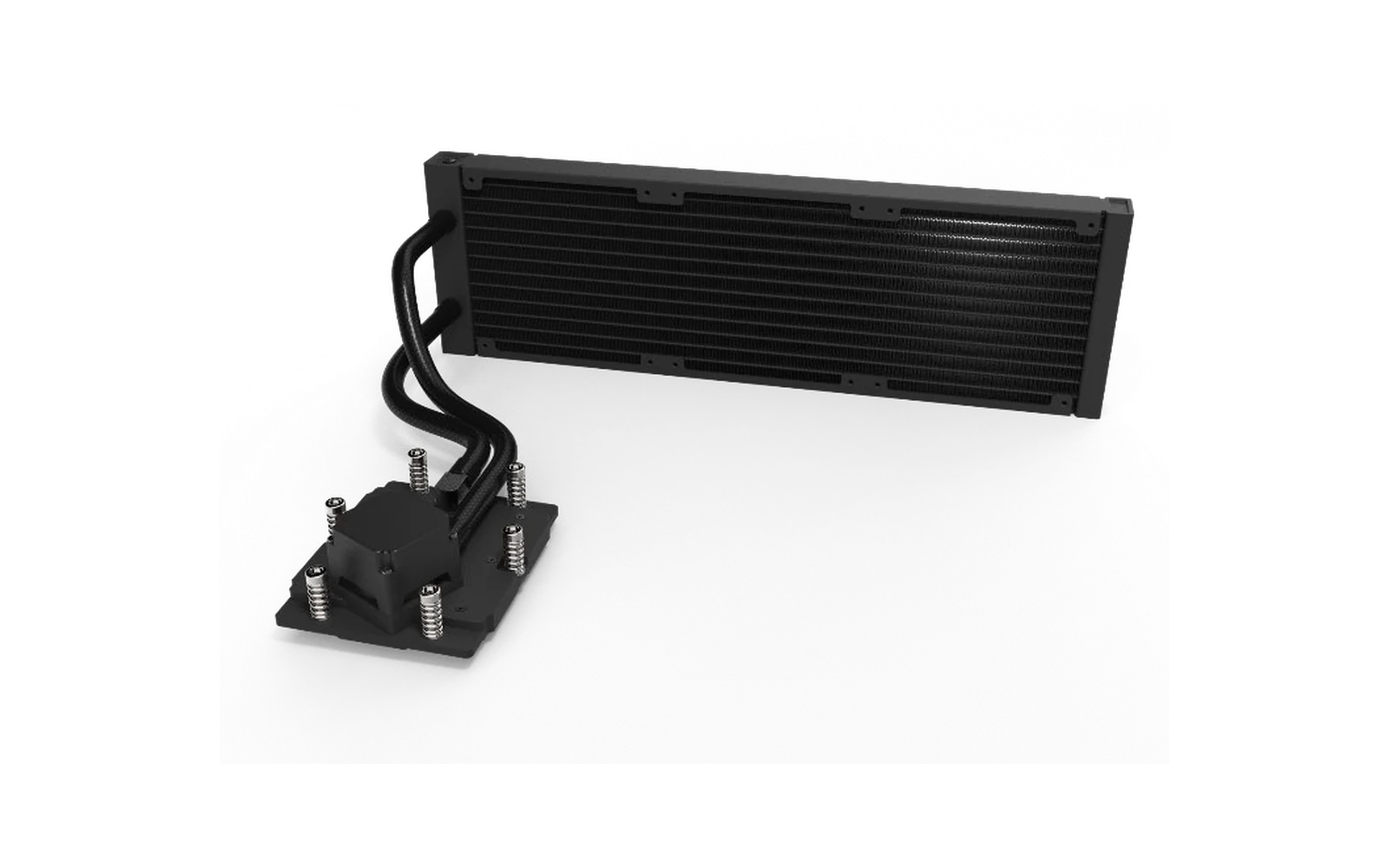
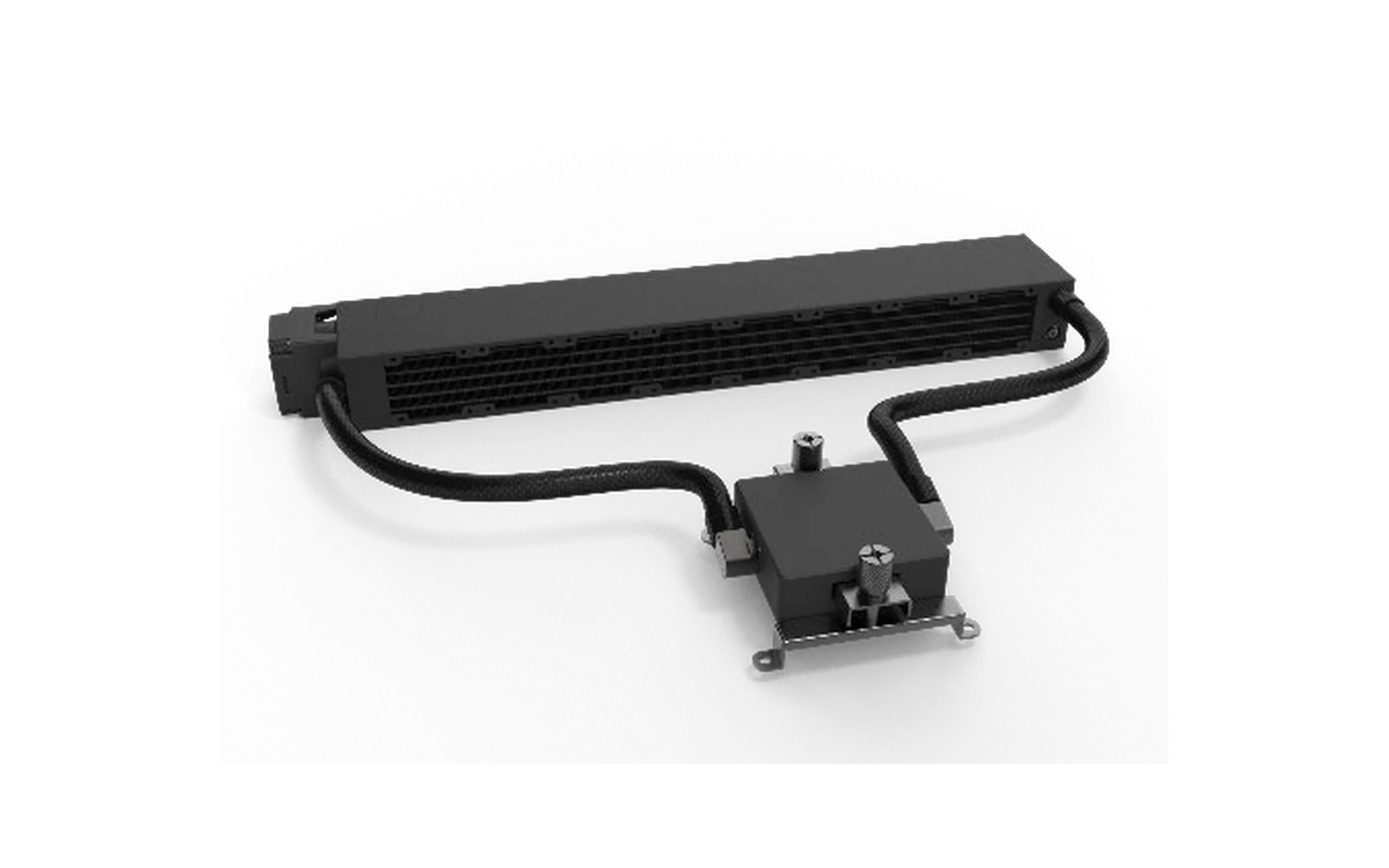
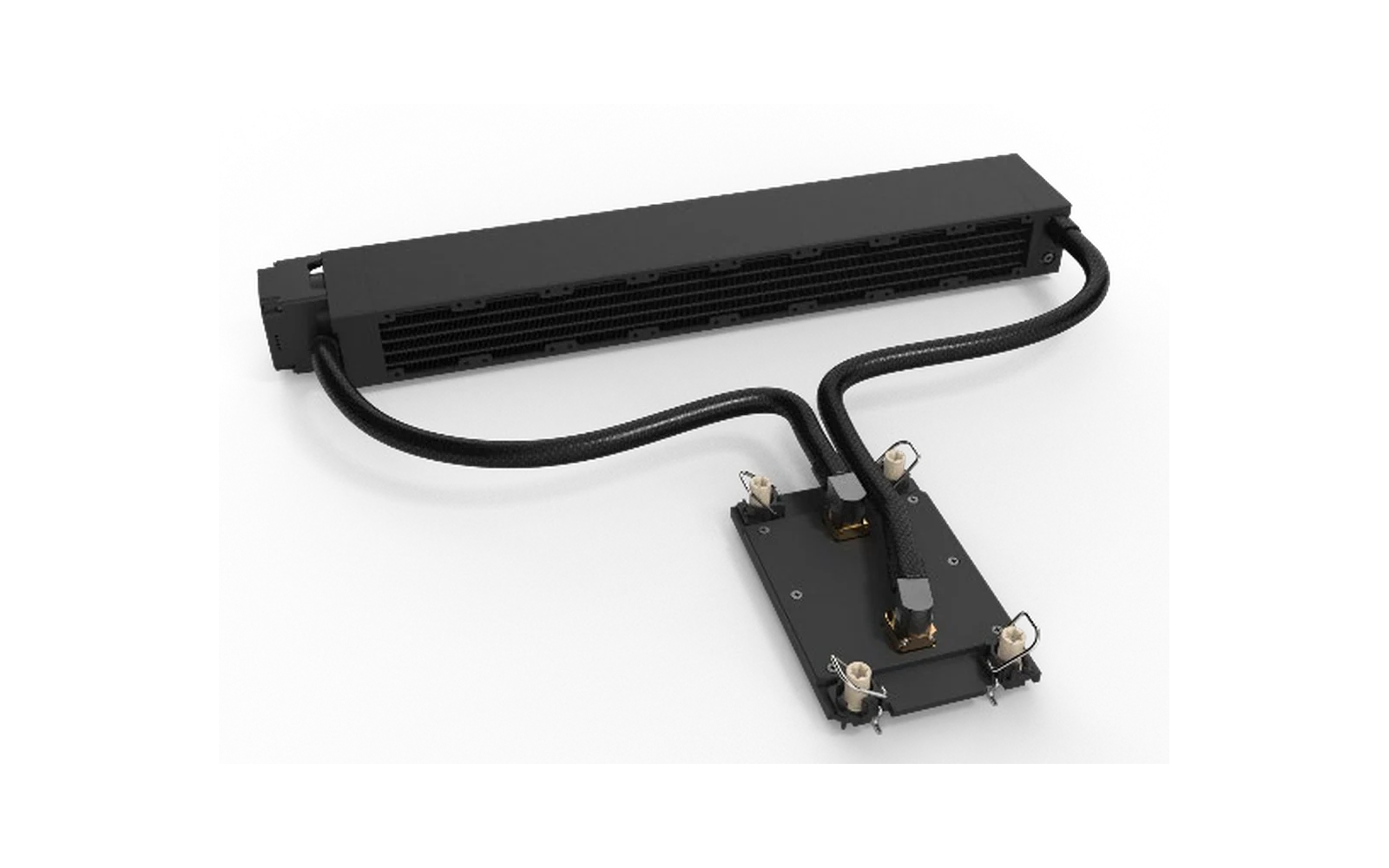
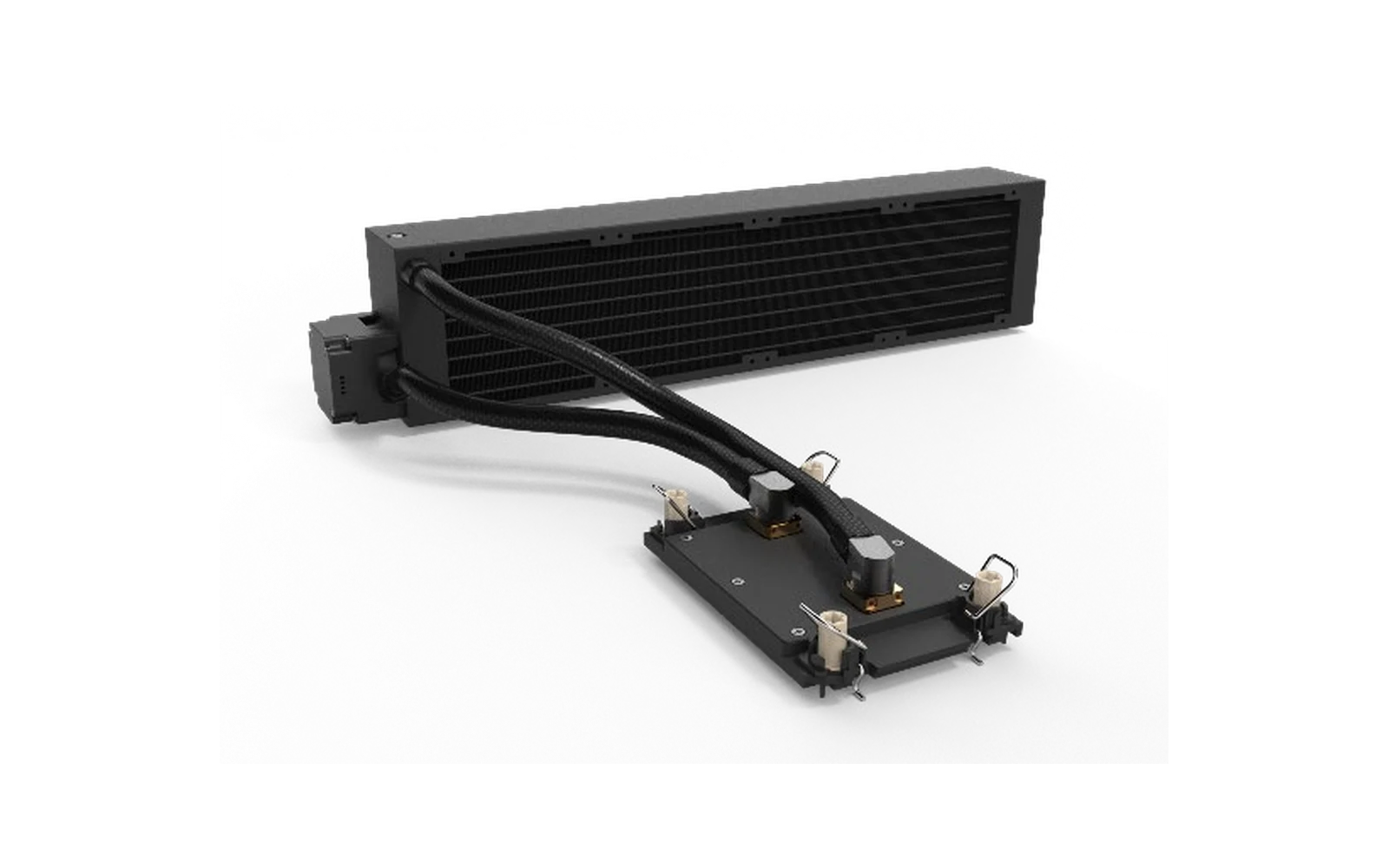
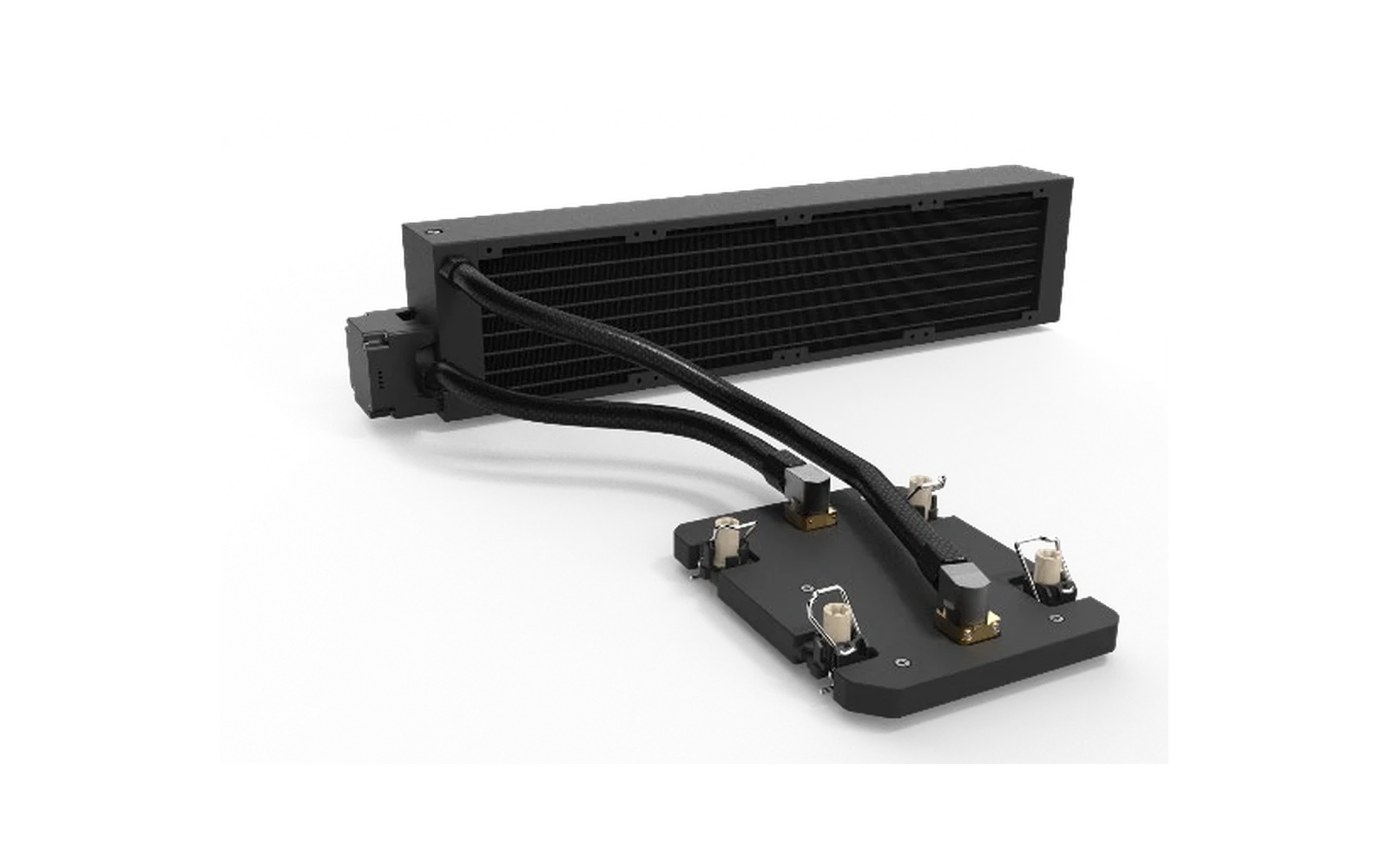
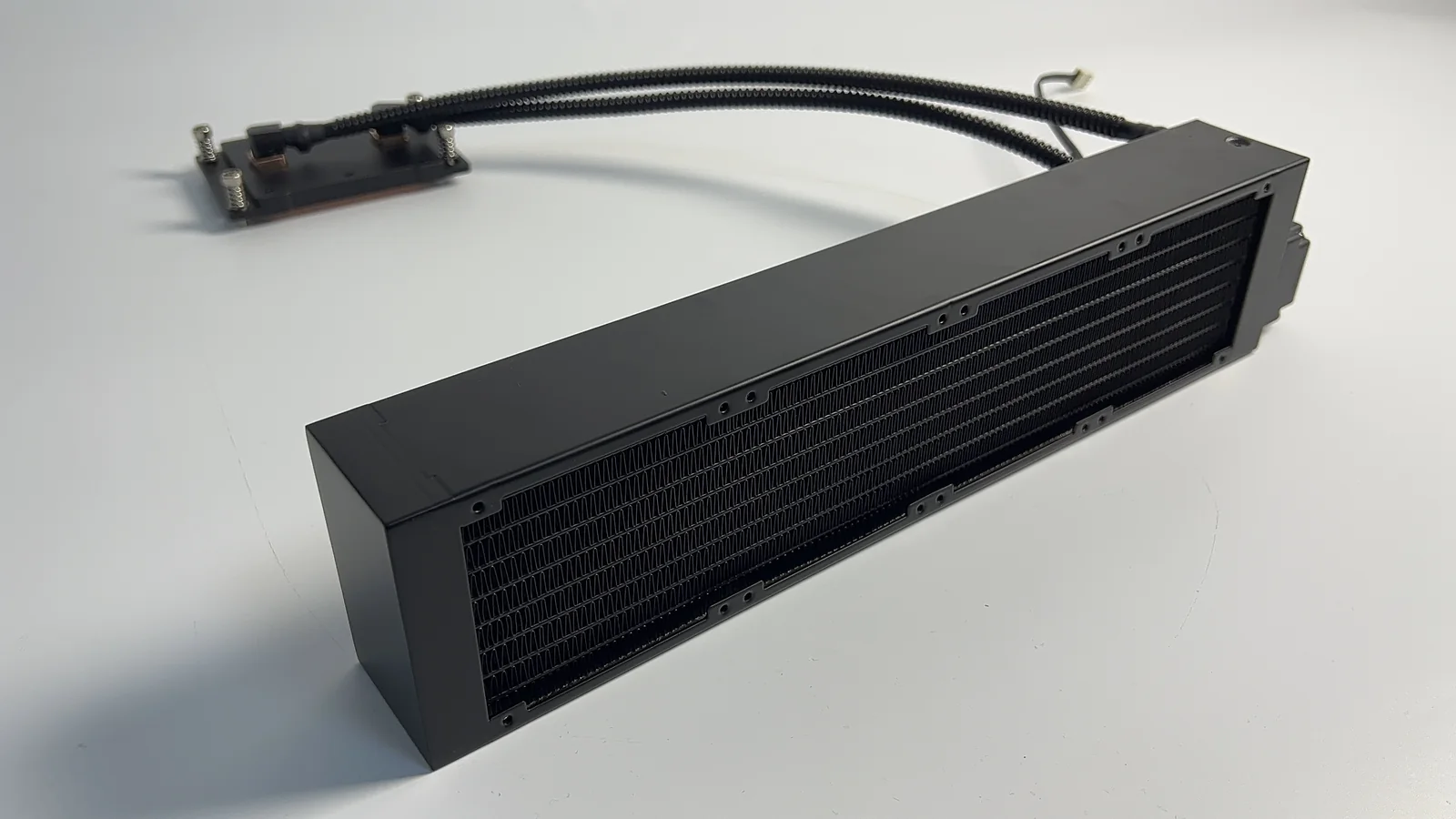
Complete AMD 1U server liquid cooling modules showing cold plates, pump, tubing and radiator
Complete internal loop

What Our Closed-Loop Server Cooling Module Includes

A closed-loop module moves heat from the processor into coolant and then releases that heat through an air-cooled radiator inside the server. ThermalBro develops the parts as one assembly so contact, routing, airflow and service access can be reviewed together.

01
Copper microchannel cold plate
02
Pump and coolant loop
03
Pre-routed tubing
04
Brazed radiator
05
High-airflow fans
06
Platform-specific mounting

Explore Our 1U, 2U and 4U Server Liquid Cooling Modules

Compare reference configurations for 1U, 2U and 4U servers below. We confirm the exact processor, board, mounting, radiator space and tube routing before recommending a module.

AMD platform note: EPYC 8004 processors use Socket SP6. For module entries listing both EPYC 8004 and 9004, specify the exact processor, socket and mounting kit when confirming the configuration. A grouped module reference does not mean the processors share a socket. See the AMD EPYC 8004 architecture overview (Publication 58268, Rev. 1.1, May 2024).

AMD 1U Server Liquid Cooling Modules

Low-profile closed-loop modules for selected AMD platforms in 1U server projects. Confirm the exact processor, socket and mounting hardware before selection.

AMD AM5 1U server liquid cooling module with radiator, tubing and cold plate
AMD SP3 and SP6 1U server liquid cooling module with radiator, tubing and cold plate
AMD SP5 1U server liquid cooling module with radiator, tubing and cold plate

Swipe horizontally to review all parameters.

AMD 1U server liquid cooling module parameters
ModelDocumented ConfigurationProcessor / Socket ReferenceProduct FeaturesTechnical Parameters
DWA36040CUA0002RTDP 300W / 395x60x40mm / 8 fansAMD AM5 EPYC 4004 series; Ryzen 7000 series
  • For 1U server cooling
  • High-density brazed aluminum radiator, black finish
  • All-copper skived high-density channel brazed cold plate
  • High-airflow, high-static-pressure fans
  • Leak testing
  • AMD-specific screw mounting
  • Internal closed-loop cooling
  • Fan: 40x40mm
  • Pump: 40x40mm
  • Speed: PWM3200rpm
  • Flow: 4.5L/min Max
  • Head: 1.5m Max
  • Hose: customizable
  • Thermal resistance reference: 0.036-0.055/25℃
DWA36040CUA1002RTDP 500W / 395x60x40mm / 8 fansAMD SP3/6 EPYC 7002, 7003 series
DWA36040CUA2002RTDP 500W / 395x60x40mm / 8 fansAMD SP5 EPYC 8004, 9004 series

When a Closed-Loop Server Module Is the Better Fit

A closed-loop module is a practical route when a server needs more processor cooling but the deployment does not include a CDU or facility water loop. Air cooling may remain simpler at lower heat loads, while open-loop direct-to-chip is better suited to liquid-ready high-density racks.

Decision PointAir CoolingThermalBro Closed-Loop ModuleOpen-Loop Direct-to-Chip
Processor interfaceAir heatsinkLiquid cold plateLiquid cold plate
Heat rejectionServer airflowInternal radiator to server airflowRack / facility liquid loop
External CDUNoNo for documented configurationsTypically required
Best fitLower heat load and simpler systems1U, 2U or 4U OEM projects without facility waterHigh-density racks with liquid-ready infrastructure
Main design checkHeatsink and airflowCold plate, pump, tubing, radiator, airflow and serviceCold plate, connectors, manifold, CDU and facility loop
Server liquid cooling module reviewed for board, chassis, routing and service access
Custom engineering inputs

We Design Around Your Board, Chassis and Thermal Target

Rack height is only the starting point. Our engineers review the processor package, board layout, available height, radiator location, airflow, tubing route and service access before we confirm a module. This helps avoid a cooler that fits the socket but conflicts with memory, VRM parts, storage, PCIe cards or maintenance space.

  1. Processor model, socket and expected heat load
  2. Motherboard revision and keep-out definition
  3. Chassis CAD or available mechanical envelope
  4. Radiator location and airflow direction
  5. Tubing route, bend limits and service access
  6. Ambient conditions and acceptance temperatures
  7. Prototype quantity and production forecast

From Copper Cold Plates to Complete Server Cooling Assemblies

ThermalBro brings cold-plate machining, skiving, brazing, radiator production, tubing, assembly and inspection into one manufacturing route. Fewer handoffs make it easier to control drawings, materials, interfaces and changes as a server module moves from prototype to production.

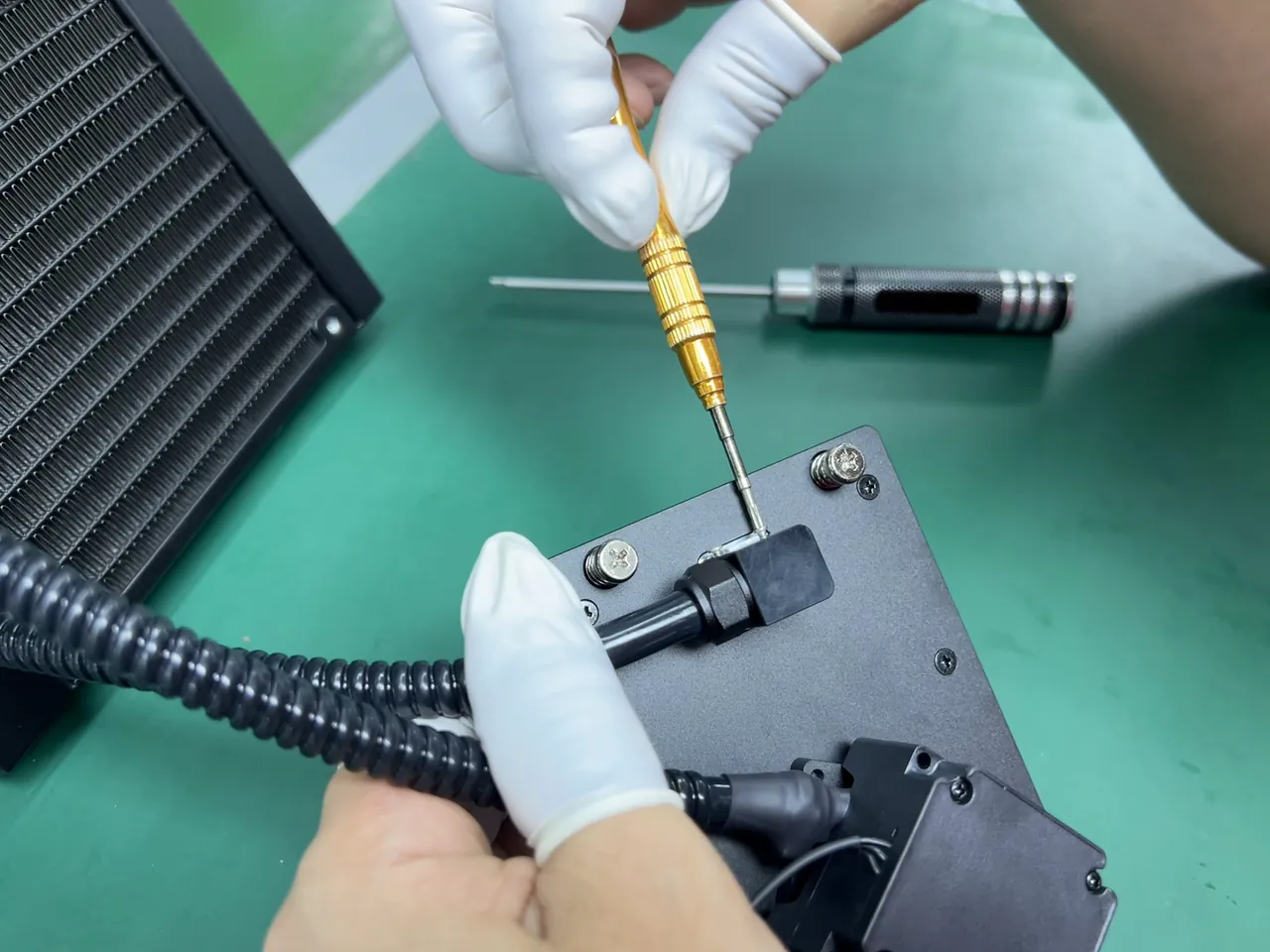
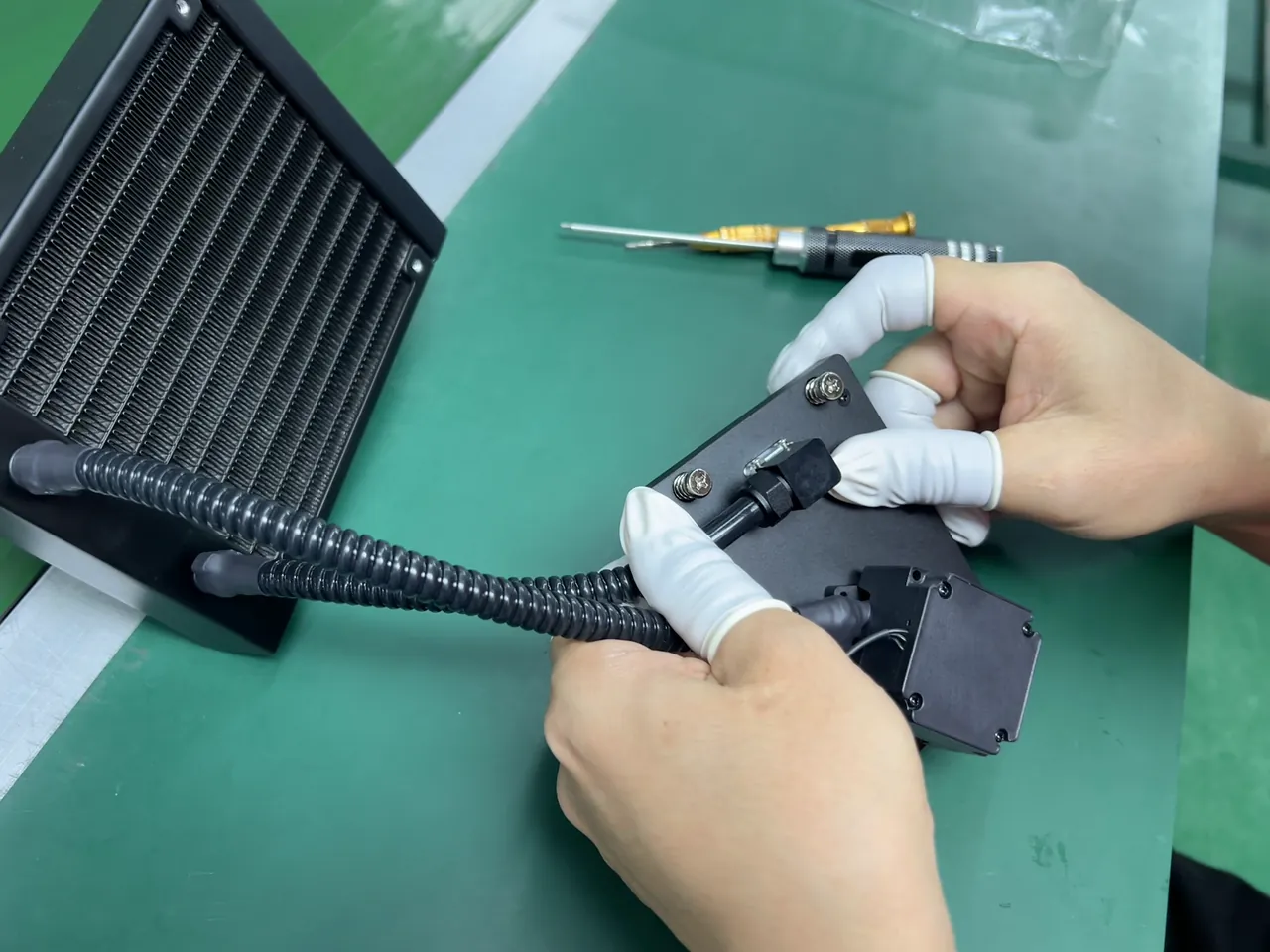
Close-up of screw fastening during server liquid cooling module assembly.View full photo ↗
Close-up of screw fastening during server liquid cooling module assembly.
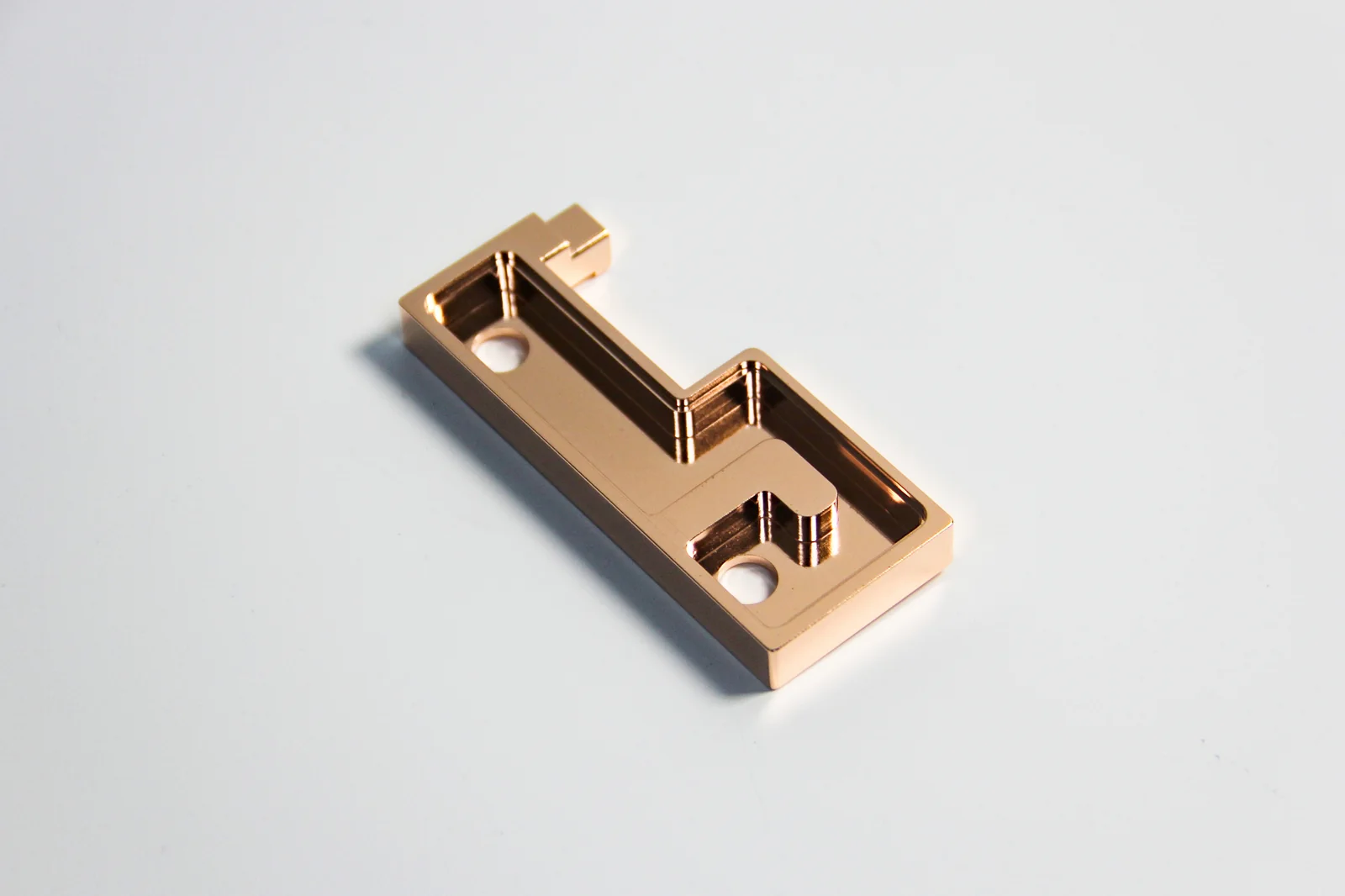
CNC-machined copper liquid cooling componentView full photo ↗
Cold plate and interface machining
Operator assembling hose connections on a server liquid cooling module.View full photo ↗
Module assembly
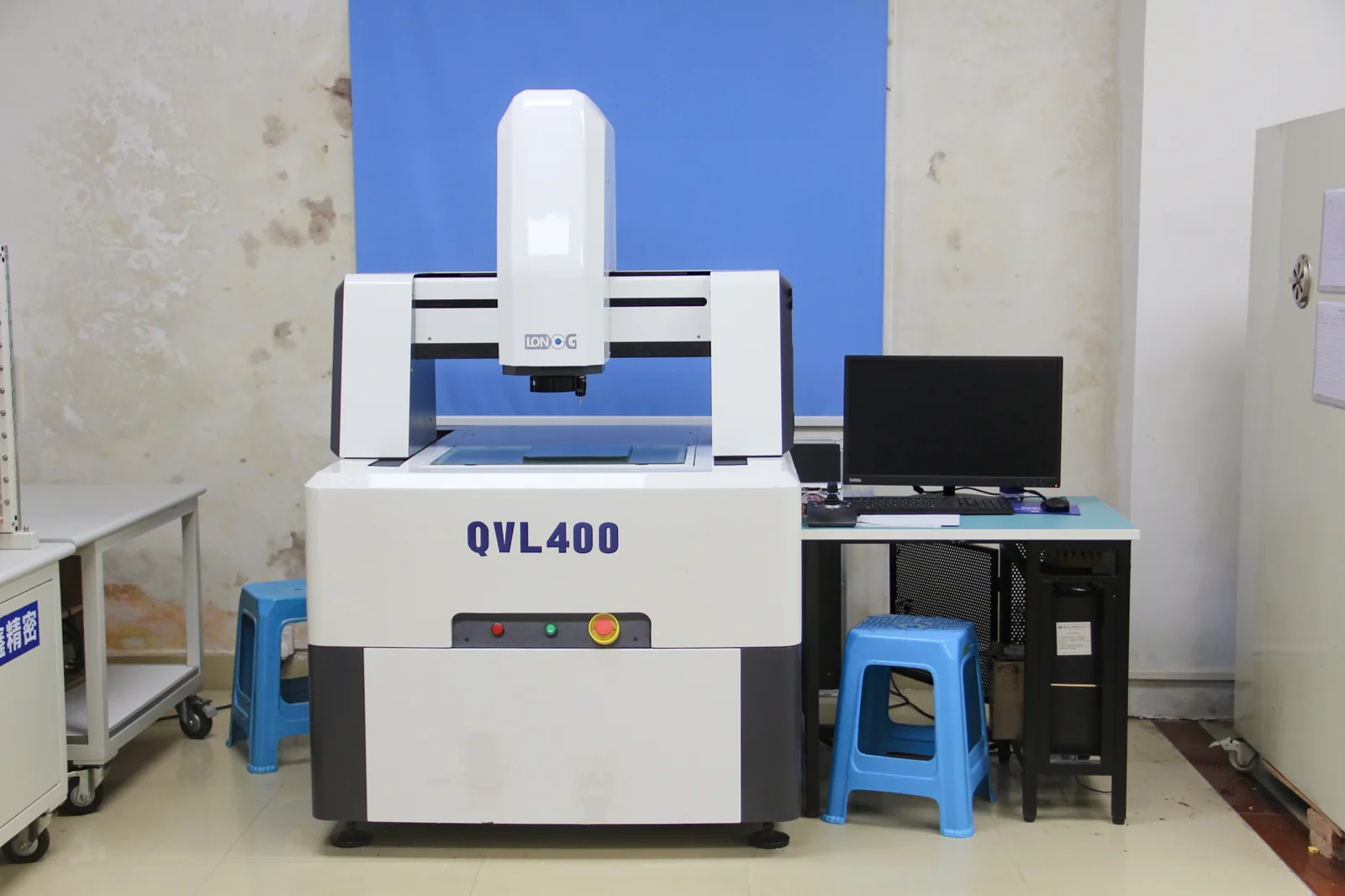
Dimensional inspection of a machined cooling componentView full photo ↗
Dimensional inspection
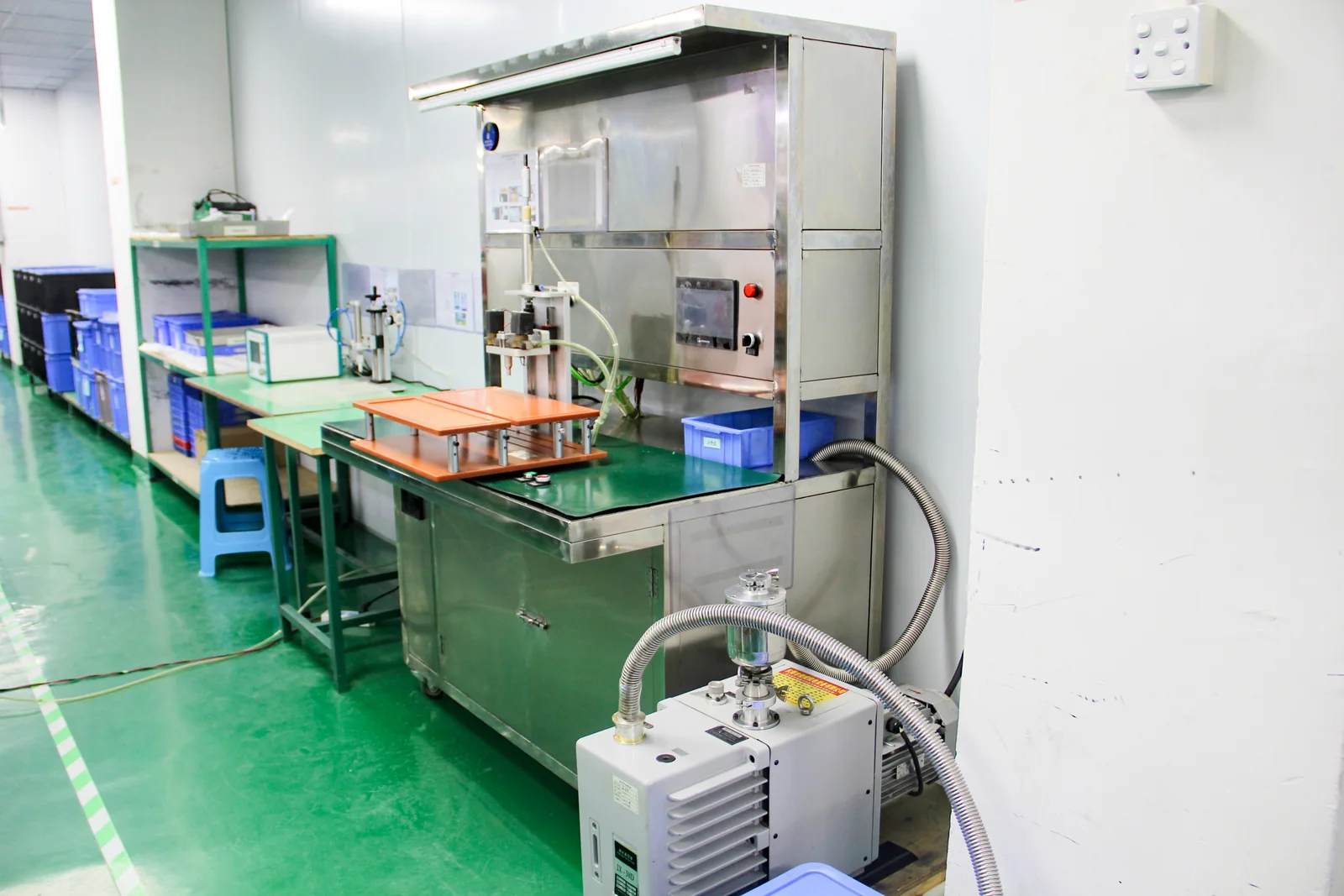
Liquid cooling assembly coolant filling stationView full photo ↗
Coolant filling

How We Test Server Liquid Cooling Modules Before Release

A module is not ready simply because the parts fit together. We confirm the agreed leak, pressure, operating and thermal checks for the released configuration, then record the result against the identified sample or production lot.

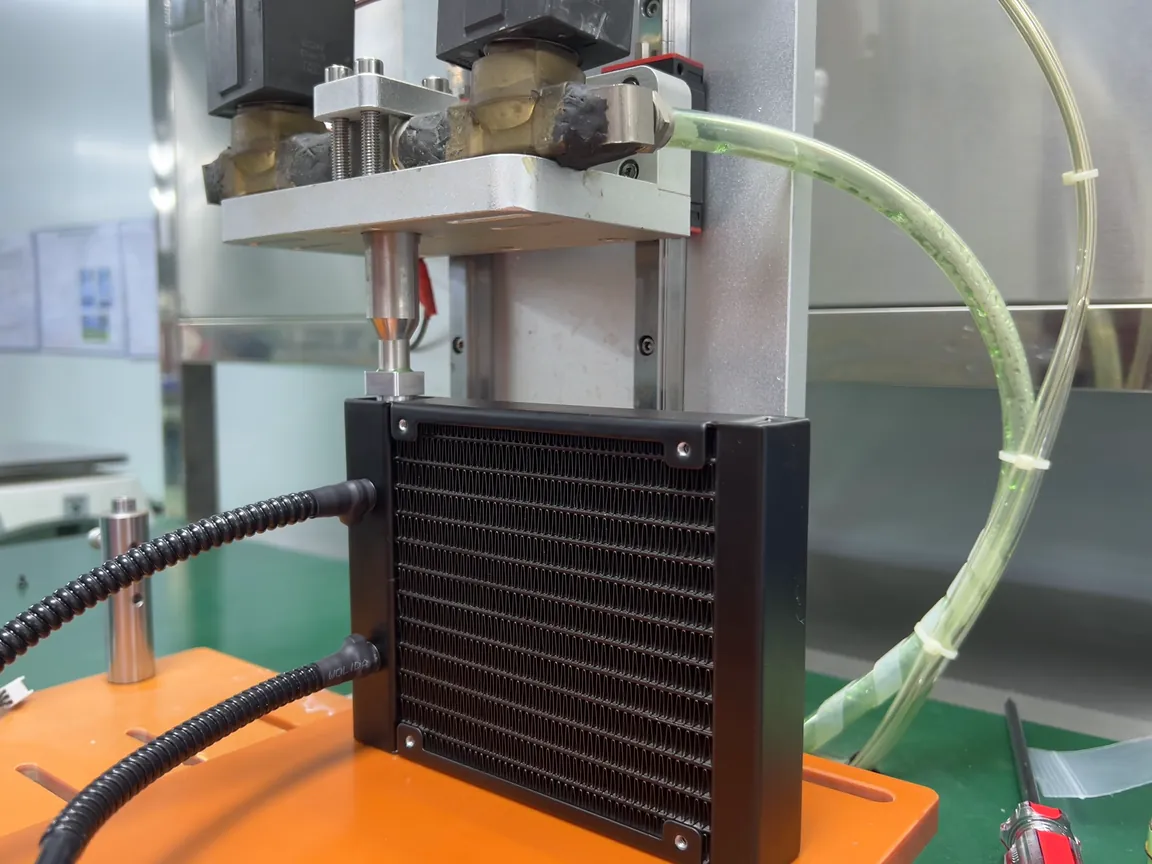
Server liquid cooling module radiator secured in an air leak test fixture.View full photo ↗
Air leak testing of a server cooling module
01 / SEALING

Leak and Pressure Checks

Verify the assembled coolant path against the agreed pressure, duration and acceptance limit.

02 / OPERATION

Pump and Flow Operation

Confirm pump operation and loop behavior in the released tubing and radiator configuration.

03 / THERMAL

Thermal Performance

Test the agreed heat load with defined ambient, airflow, coolant and temperature limits.

04 / VALIDATION

Aging or Environmental Checks

Apply project-specific operating or environmental checks when they are part of the approved validation plan.

Test methods, sample quantities and acceptance limits are agreed for the project. Published power ratings need to be assessed alongside the actual load, airflow and operating temperatures.

From Server Requirements to Prototype and Repeat Production

We review the server requirements, agree the module design, build and test a prototype, then prepare the approved configuration for production.

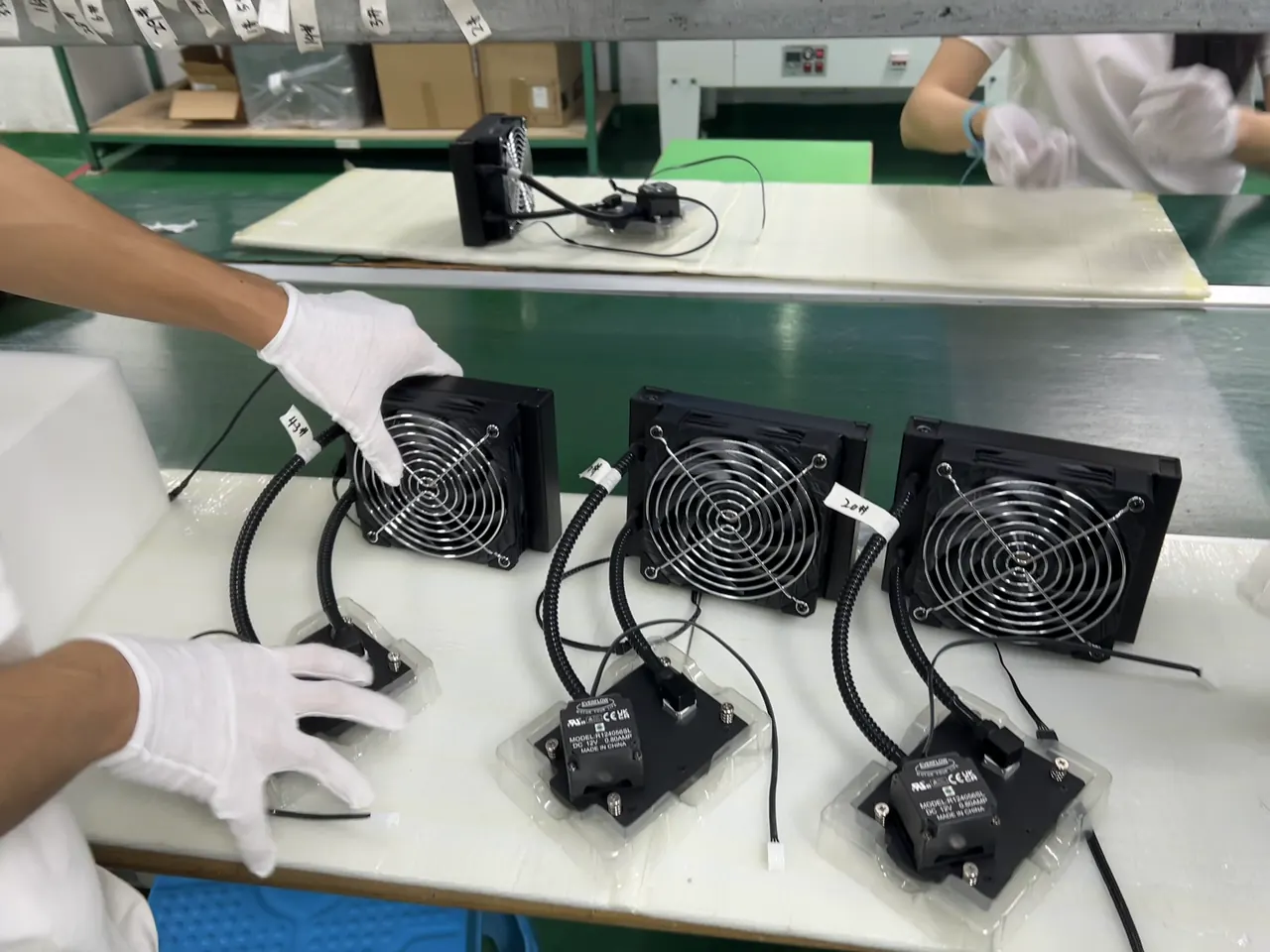
Server liquid cooling modules arranged on a workbench before packaging.View full photo ↗
Server liquid cooling modules arranged on a workbench before packaging.
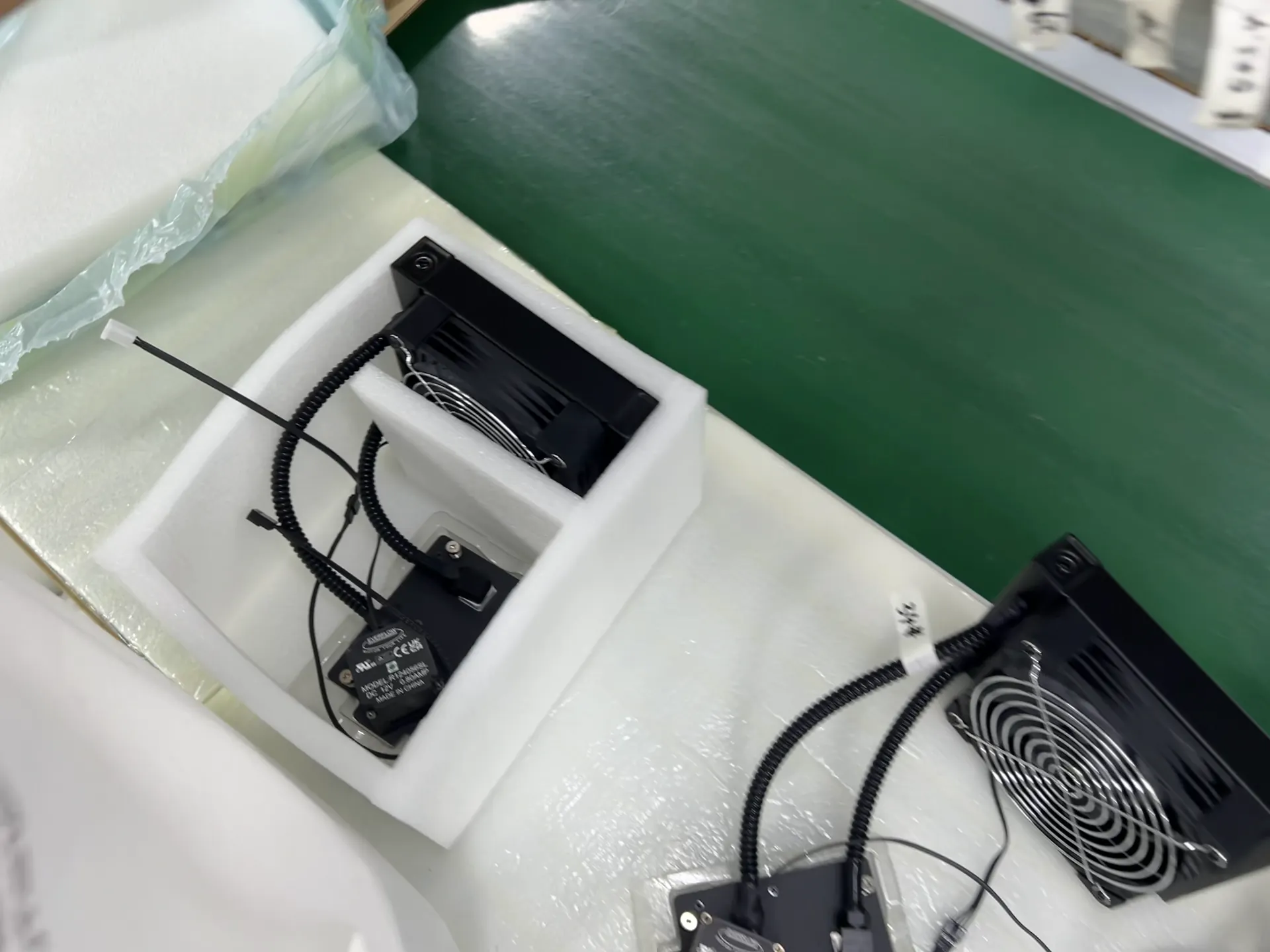
Server liquid cooling module fitted into protective foam packaging.View full photo ↗
Server liquid cooling module fitted into protective foam packaging.
01 / INPUT

Review the Server Inputs

You share the processor, board, chassis, heat load, airflow and quantity requirements.

Output: gaps and closest documented starting point
02 / DEFINITION

Define the Module

We confirm the cold plate, mounting, pump, tubing, radiator and fan arrangement.

Output: reviewed module concept
03 / PROTOTYPE

Build the Prototype

ThermalBro manufactures an identified sample for fit, routing, service and thermal checks.

Output: traceable sample
04 / REVIEW

Test and Revise

Results are checked against the agreed conditions and necessary changes are recorded.

Output: approved changes or next build
05 / RELEASE

Approve the Production Configuration

The drawing, BOM, assembly details and acceptance checks are released.

Output: approved revision
06 / PRODUCTION

Move into Repeat Production

Production follows the released configuration with in-process checks and change control.

Output: repeatable assemblies

Server Liquid Cooling Module FAQs

Clear answers on architecture, compatibility, customization, performance references and the information needed to start a project.

What is a closed-loop server liquid cooling module?
A closed-loop server liquid cooling module combines a processor cold plate, pump, coolant tubing, radiator and fans in a sealed internal loop. The cold plate moves heat from the processor into the coolant, while the radiator transfers that heat back to the server airflow. The documented configurations do not require a rack CDU or facility water connection.
How is it different from open-loop direct-to-chip cooling?
Both architectures use a cold plate on the processor. In a closed-loop module, the pump and air-cooled radiator are part of the server assembly. An open-loop direct-to-chip system connects server cold plates to rack manifolds and a CDU. The right choice depends on rack density, facility readiness and how much heat must be removed by liquid.
Does ThermalBro offer 1U, 2U and 4U configurations?
Yes. The documented product family includes 1U, 2U and 4U reference configurations for selected AMD and Intel platforms. Rack height is only the starting point; we also review the board layout, processor socket, radiator space, airflow, tubing route and service access before confirming a model.
Can ThermalBro customize the cold plate, tubing and radiator?
Yes. We can review the processor interface, mounting structure, tubing direction, radiator size, fan arrangement and available chassis space as one module. Customization starts with your board and chassis files, heat load, operating conditions and expected quantity.
What does a documented 300 W, 500 W or 600 W value mean?
It is a configuration reference from the product deck, not an unconditional thermal guarantee. Final capacity depends on the heat source, ambient temperature, airflow, coolant, pump operating point, radiator installation and acceptance temperature. We confirm the project test method and limits before release.
How does ThermalBro control leakage risk?
We leak-test liquid cooling modules before shipment. Test pressure, duration, medium and acceptance limits are defined for the applicable product. Additional pressure or reliability tests are agreed according to the operating conditions.
What information is needed for a custom server cooling project?
Start with the processor and socket, board revision, chassis CAD or available space, expected heat load, ambient and airflow conditions, radiator location, tubing route, service requirements, prototype quantity and production forecast. If some information is missing, ThermalBro can identify the gaps during the first review.
Can the same module be used for every motherboard with the same socket?
Not automatically. The socket may be the same while mounting keep-outs, memory and VRM positions, radiator space, airflow and service access differ. We verify the exact board and chassis revision before confirming compatibility.

Tell Us What You Need to Cool

Send us the processor platform, board or chassis files, expected heat load, available space and project quantity. We will review what you already have and explain what needs to be confirmed next.

Send Project Details