
How to Develop an OEM Liquid Cooling Module
Developing an OEM cooling module starts with your equipment and thermal requirements. Agree the mounting and connections, build a prototype, test it in the intended system and prepare the approved design for production. This guide explains what to provide and what to check at each stage.
View the Development Map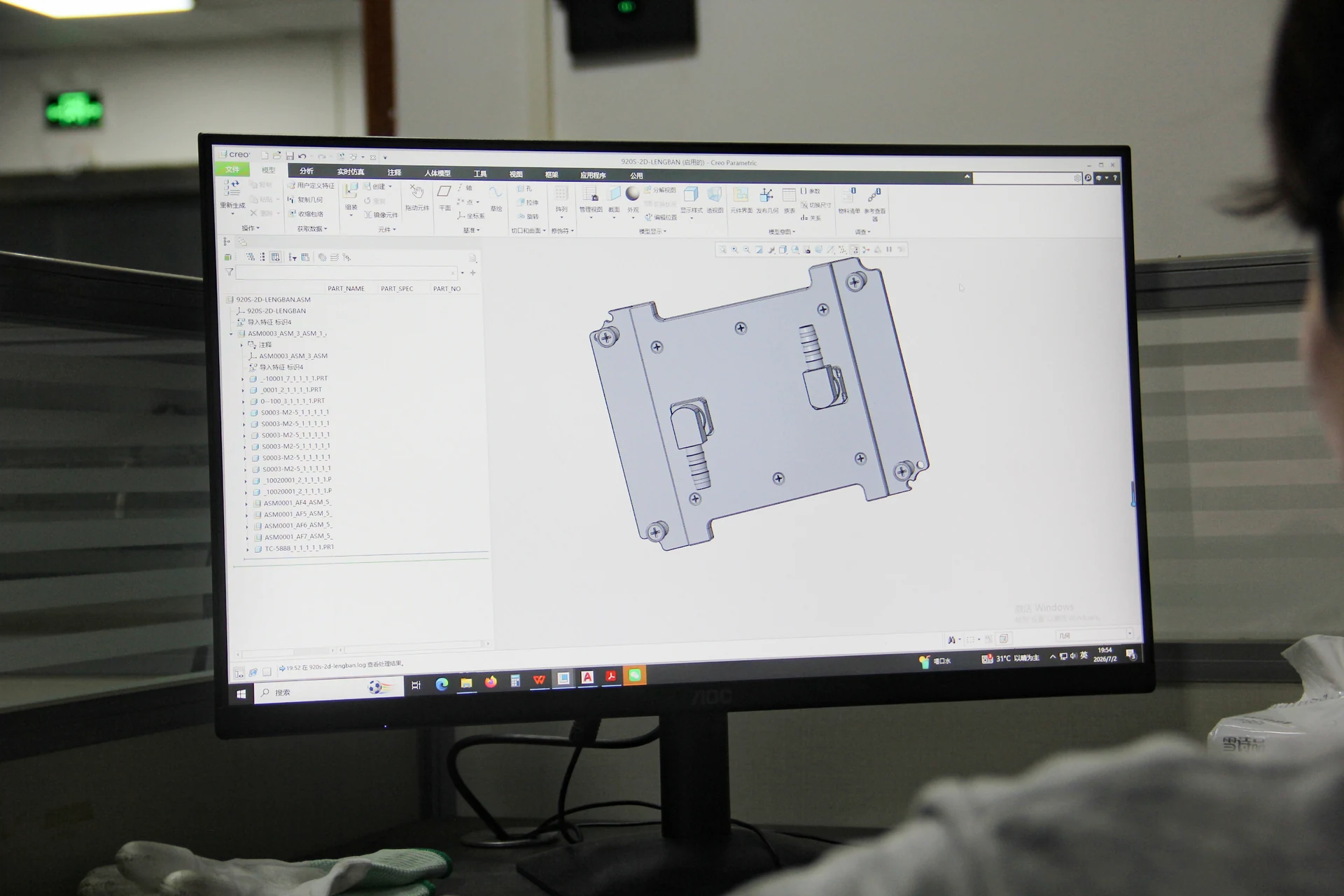
Six Stages from Requirements to Production
The schedule depends on design complexity, available drawings, materials and tests. Agree these requirements before setting prototype and production dates.
Interface Freeze
Prototype
Validation
Pilot
Release & Change
Prepare the Equipment and Cooling Requirements
Describe the heat sources, operating conditions, mounting space and connections. Identify the components you need supplied and the performance targets to check.
Project inputs
- Platform revision, heat sources and real workloads
- Mechanical, fluid, electrical and service interfaces
- Environment, coolant and external heat-rejection conditions
- Acceptance questions, quantities, milestones and NDA needs
Responsibility record
| Owner | Examples |
|---|---|
| Customer | Complete equipment architecture and intended use |
| ThermalBro | Agreed module design/manufacturing scope |
| Shared | Interfaces, acceptance and changes |
| Third party | External equipment or site systems |
Freeze Critical Interfaces Before Prototyping
Before prototyping, agree a specific version of the drawings, component list and interfaces. Later changes can then be evaluated against the sample that was built and tested.
- Confirm the platform, board, processor or chassis revision
- Freeze mounting, contact, tubing, connector and external-loop interfaces
- Identify critical characteristics and the agreed drawing/BOM baseline
- Define prototype questions, test conditions and acceptance decisions
- Record assumptions, open issues, change authority and revalidation rules
Use Prototypes to Answer Defined Questions
Use the prototype to check fit, tube routing, assembly and agreed performance targets. Production readiness also requires the manufacturing process and inspection plan to be confirmed.
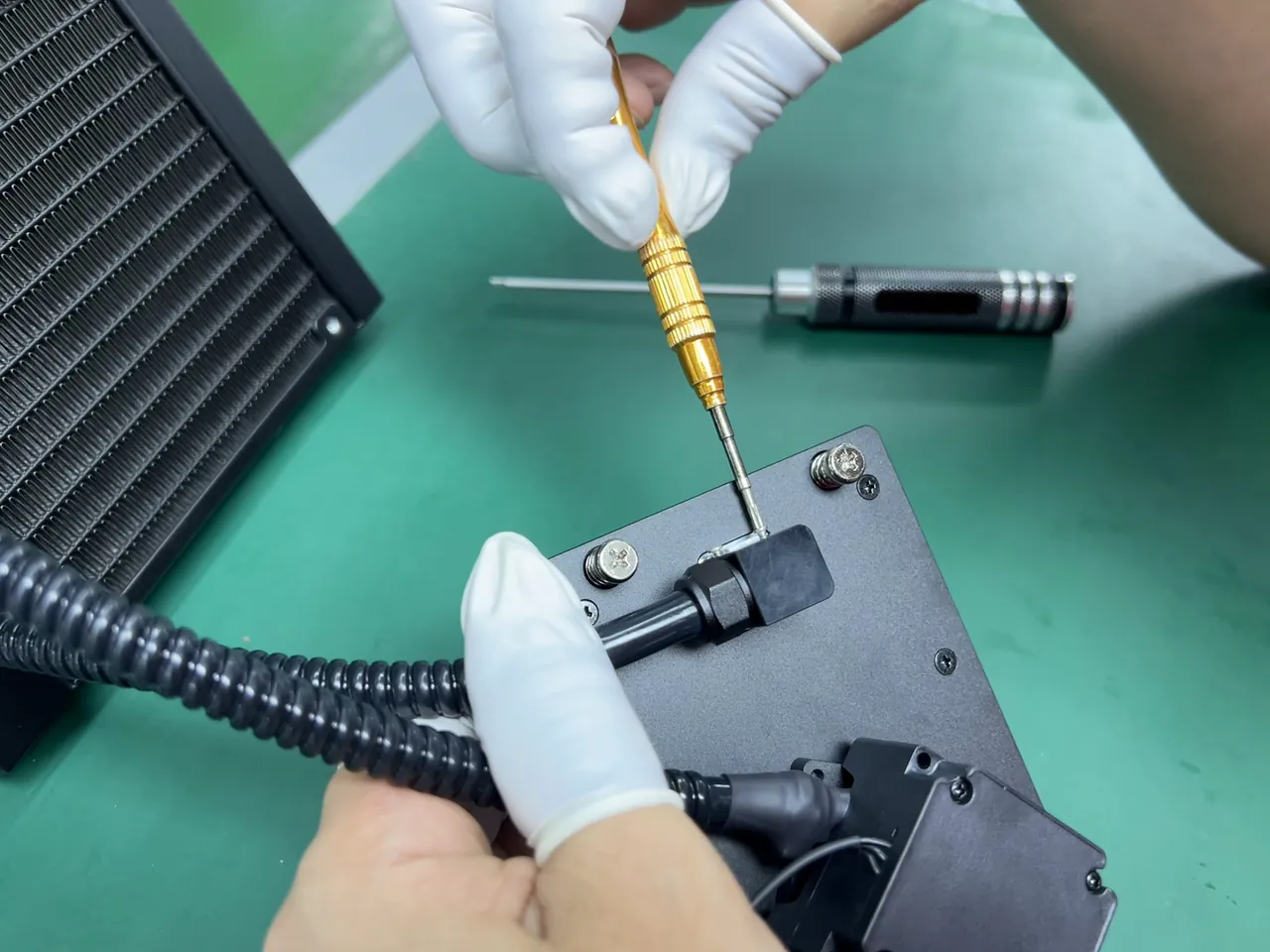
| Question | Method | Evidence | Decision |
|---|---|---|---|
| Does it fit and assemble? | Controlled platform build | Inspection and assembly record | Close fit issues or revise |
| Is the fluid path sealed? | Defined leak/pressure condition | Result tied to unit and method | Accept or investigate |
| Does it meet the project target? | Named load, environment and controls | Temperature/flow/noise data as applicable | Proceed to system validation |
Test the Module and the Complete Equipment
Factory evidence covers the agreed module. The customer or system owner validates the complete equipment under real hardware, workload, environment, control and external cooling conditions.
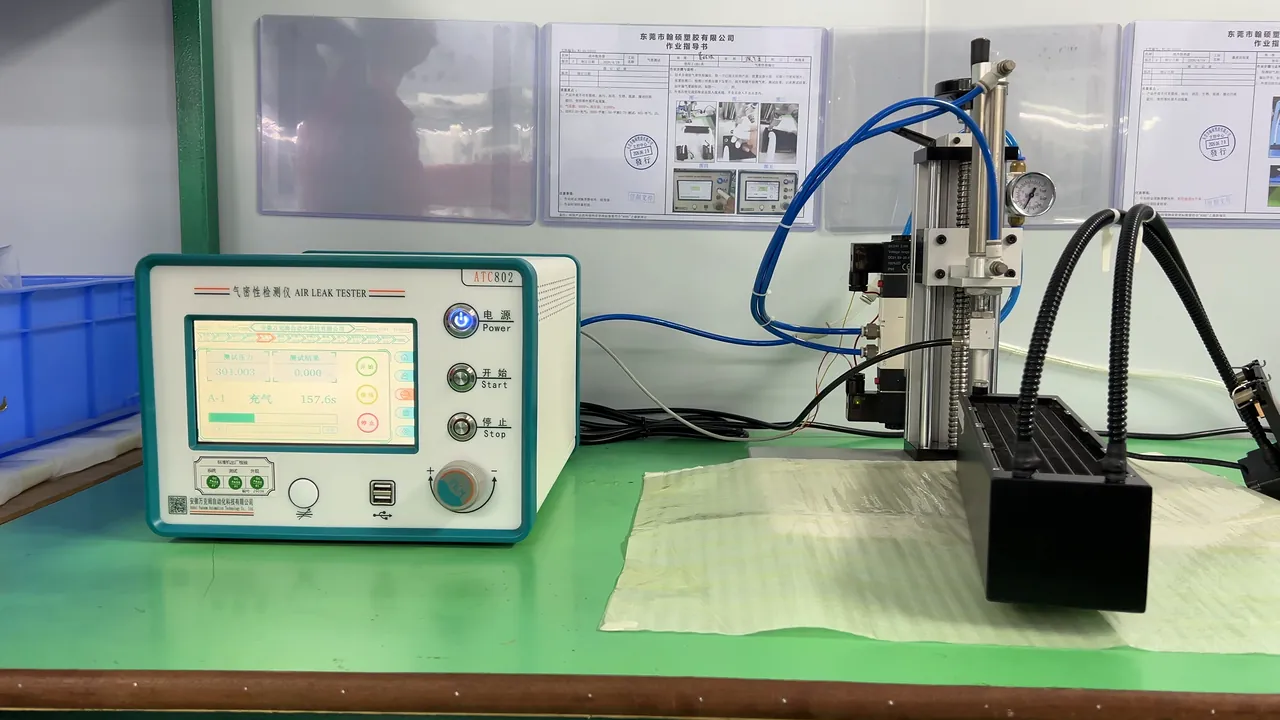
Factory/module lane
- Dimensions and assembly
- Defined sealing/flow checks
- Agreed functional or thermal evidence
- Record, issue and disposition
Customer-system lane
- Real hardware and application workload
- Chassis, airflow, controls and environment
- Service, transport and abnormal-state needs
- System approval and release decision
Prepare Production and Manage Design Changes
Pilot production confirms that the approved design can be built, inspected, tested, recorded and packed through a repeatable route. Production release then links each future change to an impact review.
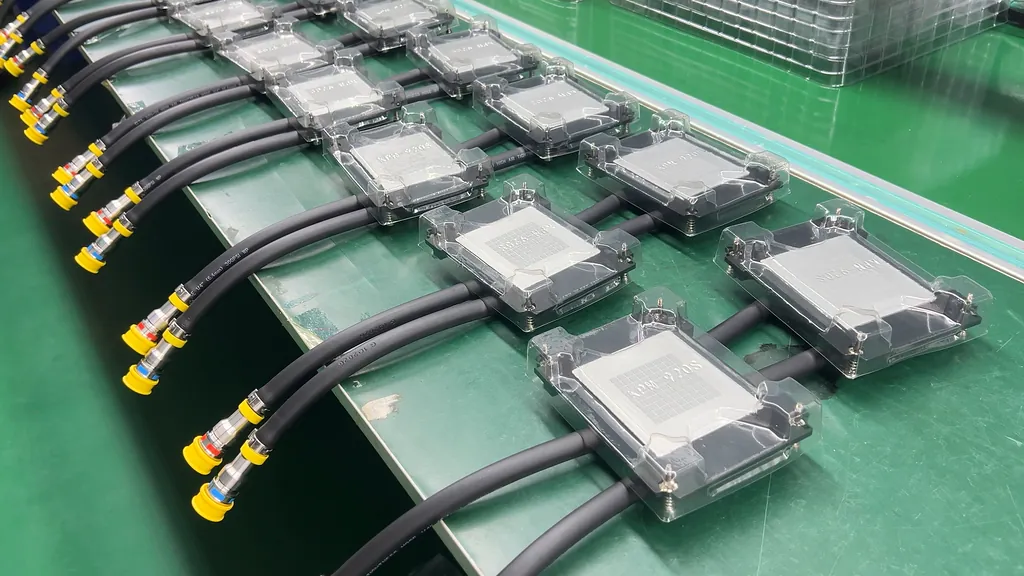
- Close temporary prototype methods
- Confirm tooling, instructions and assembly sequence
- Confirm inspection/test records and traceability
- Approve production BOM, packaging and labels
- Define engineering-change and revalidation route
Who should provide the system architecture?
The customer or system owner defines the complete equipment architecture and intended use. ThermalBro can review the cooling-module architecture and interfaces within the agreed scope. Shared decisions and unresolved interfaces should be recorded before design freeze.
When should an NDA be discussed?
An NDA can be discussed before controlled drawings, platform files or confidential program information are transferred. The agreement and permitted use are confirmed for each project.
What is a design-freeze gate?
A design-freeze gate confirms the platform revision, interfaces, drawing and BOM baseline, critical requirements, validation plan, open assumptions and change authority before the prototype or release proceeds.
How is an OEM module transferred to production?
The transfer confirms the approved product baseline together with tooling, work instructions, assembly and inspection methods, test records, packaging, traceability and the process for reviewing future changes.
This development checklist is general guidance. Project drawings, specifications, test requirements and written agreements define the work for your module.
Turn the Development Stages into Your Project Plan
Send the project stage, available drawings, open design questions and target schedule. We will discuss the next engineering and prototype steps.