Skip to content
Medical Equipment OEM Programs

Custom Liquid Cooling for Medical Devices

We develop custom cold plates and cooling modules for medical equipment manufacturers. The cooling hardware is designed around the specified heat sources, enclosure and coolant conditions. Our supply is the agreed component or module; finished-device validation remains with the equipment manufacturer.

Discuss a Medical Cooling Project
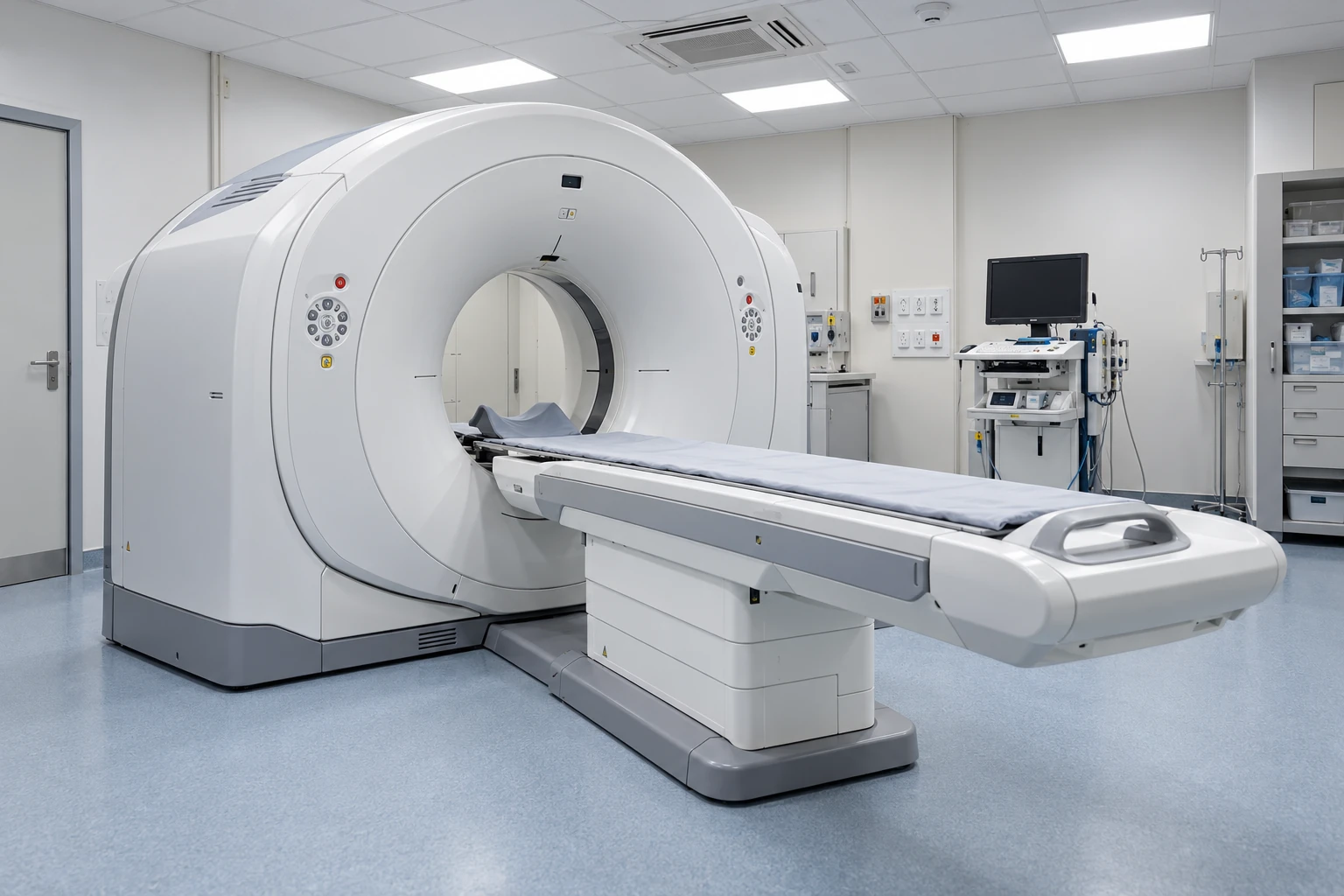
Illustration of a CT scanner and patient table in a bright imaging room

Cooling Requirements by Equipment Type

The examples below show the heat sources and integration requirements that shape a cooling design. Suitability depends on the specific equipment and its component specifications.

IMAGING

Imaging equipment

Heat sources
Detectors, X-ray or power electronics, magnets or gradient-related subsystems as defined by the OEM.
Design considerations
Temperature, noise, enclosure, service and image-system stability.
Cooling approach
Custom cold plate or cooling module developed around the specified equipment layout.
DIAGNOSTICS

Diagnostic and laboratory equipment

Heat sources
Optics, processors, power conversion, motors, sources and compact enclosures.
Design considerations
Temperature consistency, acoustic environment, contamination and maintenance.
Cooling approach
Air, liquid or hybrid route selected from actual heat and service constraints.
MEDICAL LASER

Laser and treatment equipment

Heat sources
Laser source, diode or pump module and supporting power electronics.
Design considerations
Heat removal, temperature stability, vibration and condensation.
Related guidance
See the Laser & Optical route for detailed thermal architecture.
ROBOTIC / VISUALIZATION

Robotic and visualization equipment

Heat sources
Controllers, compute, drives, motors, light sources and instrument subsystems.
Design considerations
Motion, noise, cleanliness, service and equipment-level safety response.
Related guidance
See the Robots route when motion and hose routing dominate.

Air, Liquid or Hybrid Cooling

Liquid cooling can move heat away from compact or sealed areas. Weigh that benefit against pump and tubing space, maintenance, cleanliness and the required response to a cooling fault.

QuestionAir cooling may fit whenLiquid cooling may fit whenHybrid may fit when
Heat and enclosureHeat can leave through a practical airflow path.Heat is concentrated or must be moved away from a compact or sealed area.Selected sources need liquid while remaining electronics need airflow.
Noise and vibrationLocal fans meet the equipment acoustic and vibration limits.Heat rejection can be moved or controlled away from the sensitive area.Both local low-airflow and remote liquid heat transport are useful.
Service and cleanlinessFilters, airflow and fan access fit the maintenance model.The fluid path and service procedure can be controlled and documented.The OEM can separate clean or sensitive zones from serviceable zones.
Fault responseFan monitoring and thermal control answer the risk.Flow, temperature, leakage and condensation responses can be assigned.Independent cooling modes are part of the device risk-control plan.

Cooling Component Supply and Device Integration

We agree component drawings, materials and tests with your team. These records support equipment development but do not replace the manufacturer’s device-level safety and regulatory work.

Components we can supply

  • Agreed part or module drawing and BOM
  • Project-defined materials, assembly and component tests
  • Revision identification and agreed inspection records

Interfaces we define together

  • Heat load, mounting, fluid and operating boundary
  • Test conditions, pass criteria and responsible teams
  • Change impact on the medical equipment program

Finished medical device

  • Intended use and hazard analysis
  • System architecture, safety functions and software
  • Applicable standards, submission and complete-device validation

Drawings, Inspection Records and Traceability

Tell us which documents your quality team requires. We confirm the available records and any additional inspection or testing work in the project scope.

Drawings and component lists

Approved drawing, BOM, interface definition and revision history.

Material and process

Available material information, key characteristics, work instructions and first-article requirements.

Inspection and test records

Applicable dimensional, assembly, leak, pressure, flow or thermal records under agreed conditions.

Part identification and changes

Part or lot identity, nonconformance handling, change notice, label and packaging requirements.

Document groupPurposeWhat to agree
Drawing and BOMIdentify the configuration being purchased and tested.Drawing and component-list revision for the order.
Inspection and testShow which checks were performed and under what conditions.Required methods, test conditions and record format.
Traceability and changeConnect delivered parts and later changes to the specified design.Required part or lot identification and record retention.

Cooling Performance and Equipment Test Requirements

We agree checks for the supplied parts or module. Your team uses the results alongside complete-equipment tests for heat, fluid leakage, cleanliness and service conditions.

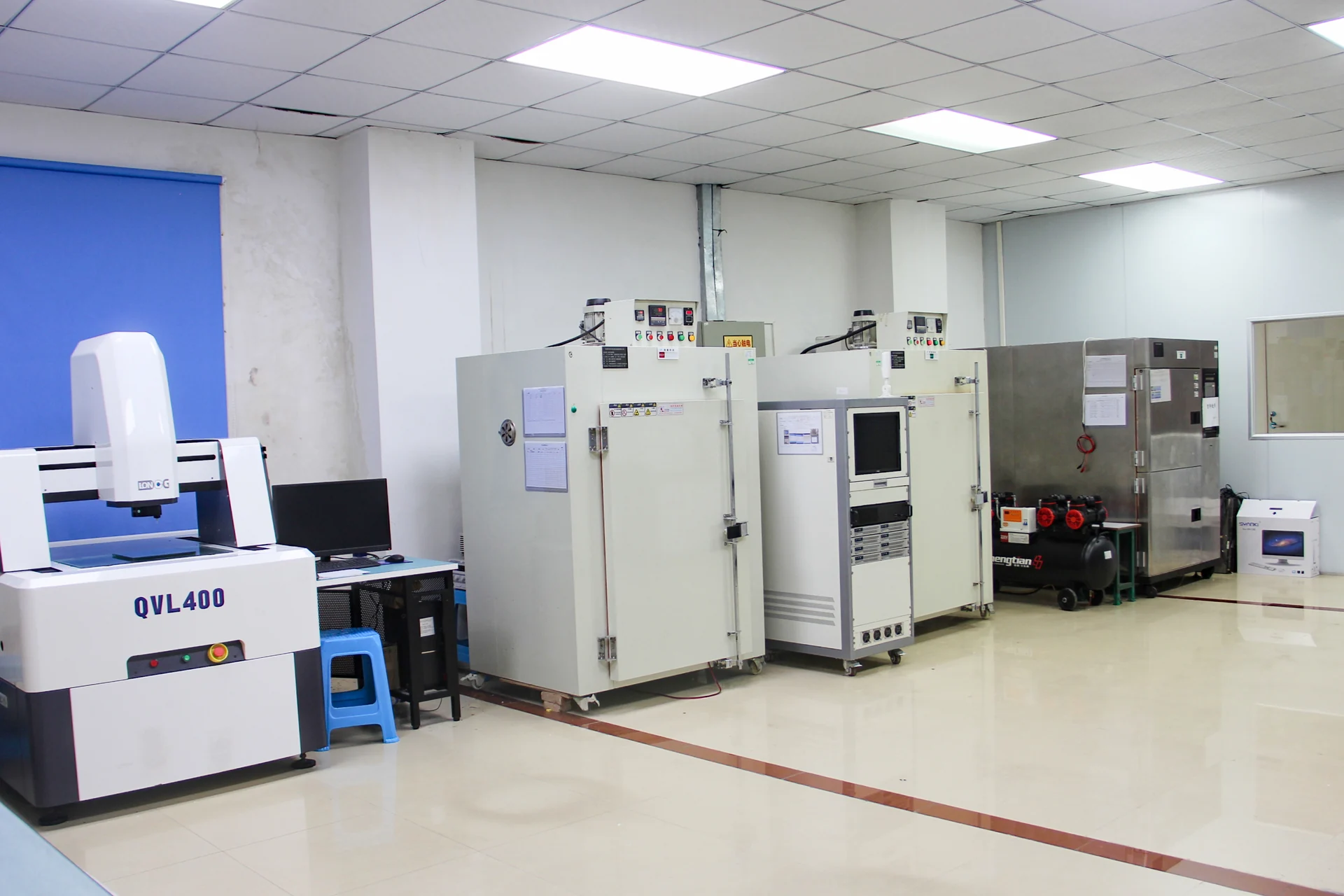
ThermalBro quality test laboratory for project-defined cooling component evidence
RiskComponent checksOEM follow-up
Heat and flowProject-defined thermal, flow or pressure-drop result.Validate real equipment load, controls and environment.
Leak or pressureAgreed condition, duration and acceptance record.Validate leak routing and device fault response.
Materials and cleanlinessAvailable material, cleaning and handling evidence.Confirm device contamination and compatibility requirements.
Noise, vibration and serviceSelected component checks when included in scope.Validate complete-equipment operation, maintenance and transport.

Review OEM / ODM Engineering · Review Testing & Reliability

Medical Device Liquid Cooling FAQ

Answers about component supply, quality records and equipment-level validation.

What does ThermalBro supply for medical equipment projects?
We supply custom cooling components or modules within an agreed specification. Supplier qualification and any required certificates must be checked for the project; this service does not represent certification of the finished medical device.
Does ThermalBro provide the complete medical equipment cooling system?
Our standard scope is the specified cold plate, fluid part, tubing or cooling module. The equipment manufacturer retains the overall architecture, controls, intended use and complete-device validation.
How are material and cleanliness requirements handled?
The OEM provides restricted materials, coolant, wetted-path, contamination, cleaning, handling and evidence requirements. ThermalBro reviews support for the selected scope.
How are engineering and production changes controlled?
The drawing, component list and agreed process and test requirements identify the approved revision. Changes should be assessed with your team before production and any necessary equipment revalidation.
Can project traceability be discussed?
Yes. Part, lot, assembly, test, label and packaging identity can be reviewed. Exact depth and retention are agreed before production.
Which test records can be provided?
Depending on scope, records may include dimensions, assembly identity, leak or pressure and project-defined flow, thermal or environmental tests.
Does a component report certify the finished medical device?
No. The OEM remains responsible for intended use, risk management, applicable standards, regulatory submission and complete-system validation.

Discuss Your Medical Equipment Cooling Requirements

Share the equipment layout, heat load and required quality records. We will review the component design and confirm the available engineering and testing support.

  • Equipment type and heat sources
  • CAD, mounting and available space
  • Coolant and operating environment
  • Noise, cleanliness and service limits
  • Project stage and expected quantity
  • Customer standards and required records
Request a Medical Cooling Review