
Socket, IHS, hole pattern, mounting load and nearby keep-outs.
OEM Gaming Platforms
Custom Liquid Cooling for Gaming PC Brands
We develop CPU and GPU cooling modules for gaming PC brands, system integrators and cooling-product companies. Customization covers board compatibility, chassis integration, tube routing and appearance, with thermal and acoustic testing agreed for the platform.
Discuss a Gaming PC Project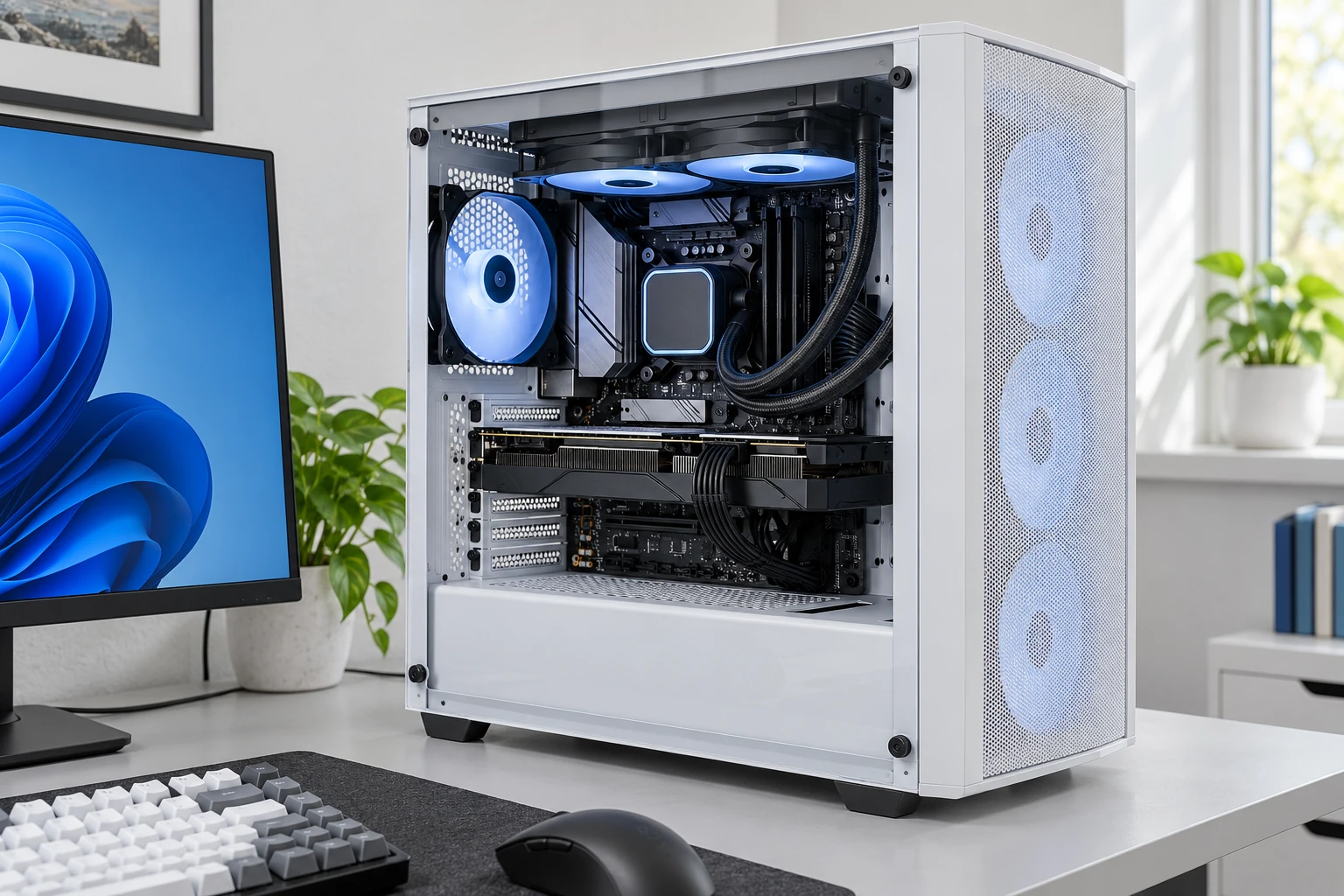
Compare Air and Liquid Cooling Options
The suitable approach depends on sustained CPU/GPU load, available space and the noise target. The comparison below shows the benefits and integration requirements of each option.
| Route | Good starting condition | Primary benefit | Trade-off to review |
|---|---|---|---|
| High-performance air | Moderate sustained load and sufficient airflow volume. | Simple BOM and straightforward service. | Heatsink size, GPU slots, local noise and case heat recirculation. |
| CPU AIO | CPU is the main constrained heat source. | Moves CPU heat to a radiator mounted elsewhere in the chassis. | GPU and board airflow remain separate. |
| GPU liquid cooling | GPU package, memory, VRM or slot usage drives the platform. | Collects heat from the specified GPU board and transfers it to a radiator or external loop. | Cold-plate contact and mounting must match the specific PCB revision. |
| CPU + GPU liquid cooling | Both devices run concurrently in a constrained chassis. | Coordinates heat collection and acoustic control. | Flow, pressure drop, radiator, pump, routing and fault response interact. |
Cooling Arrangements for CPU and GPU Loads
Compare CPU-only, GPU-only, separate-loop and shared-loop arrangements for your platform.
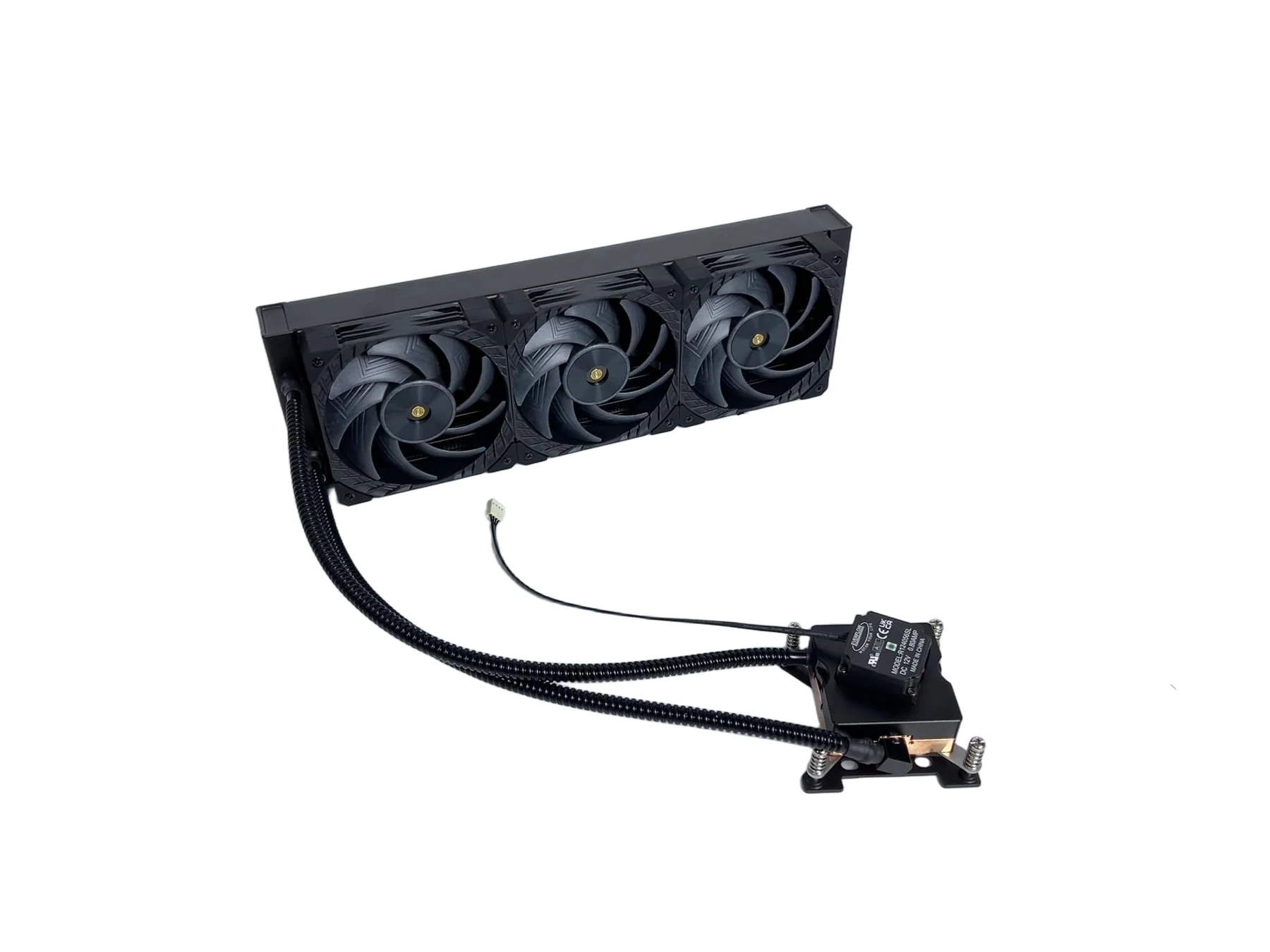
CPU AIO Cooling
- Best fit
- CPU-led gaming systems with a defined socket, chassis and radiator position.
- Required input
- CPU/socket, mounting, load case, chassis, radiator/fan and control conditions.
- Integration note
- GPU cooling and residual board airflow remain separate system decisions.
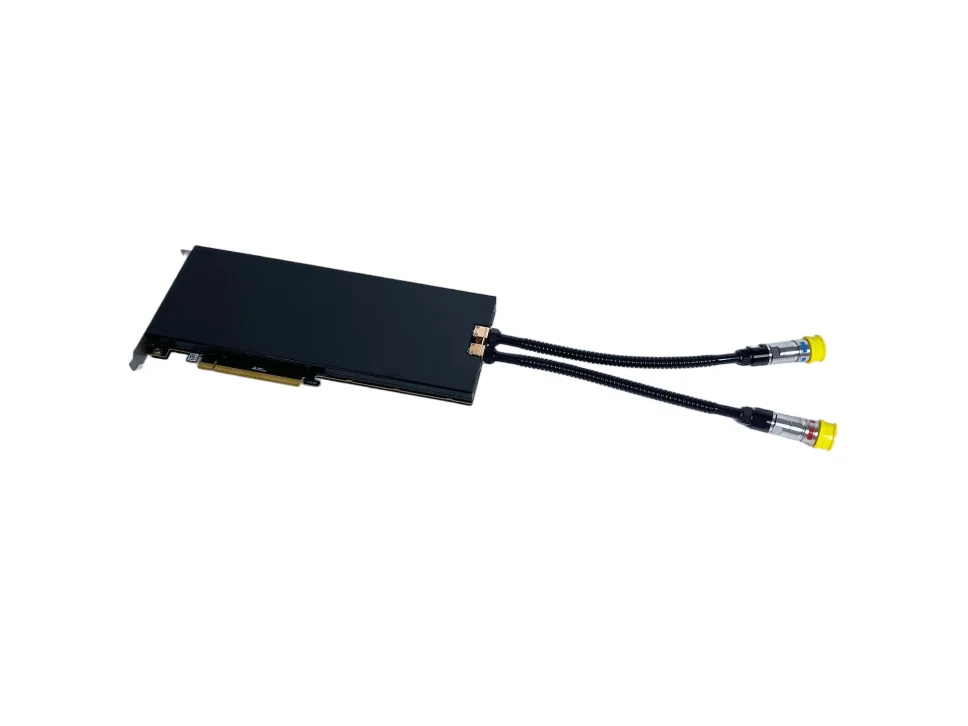
GPU Cooling
- Best fit
- Board-specific programs where GPU, memory, VRM, slot use or local noise drives the decision.
- Required input
- Exact card and PCB revision, contact map, component heights, mounting and chassis.
- Integration note
- Coverage and fit are confirmed for the reviewed board only.
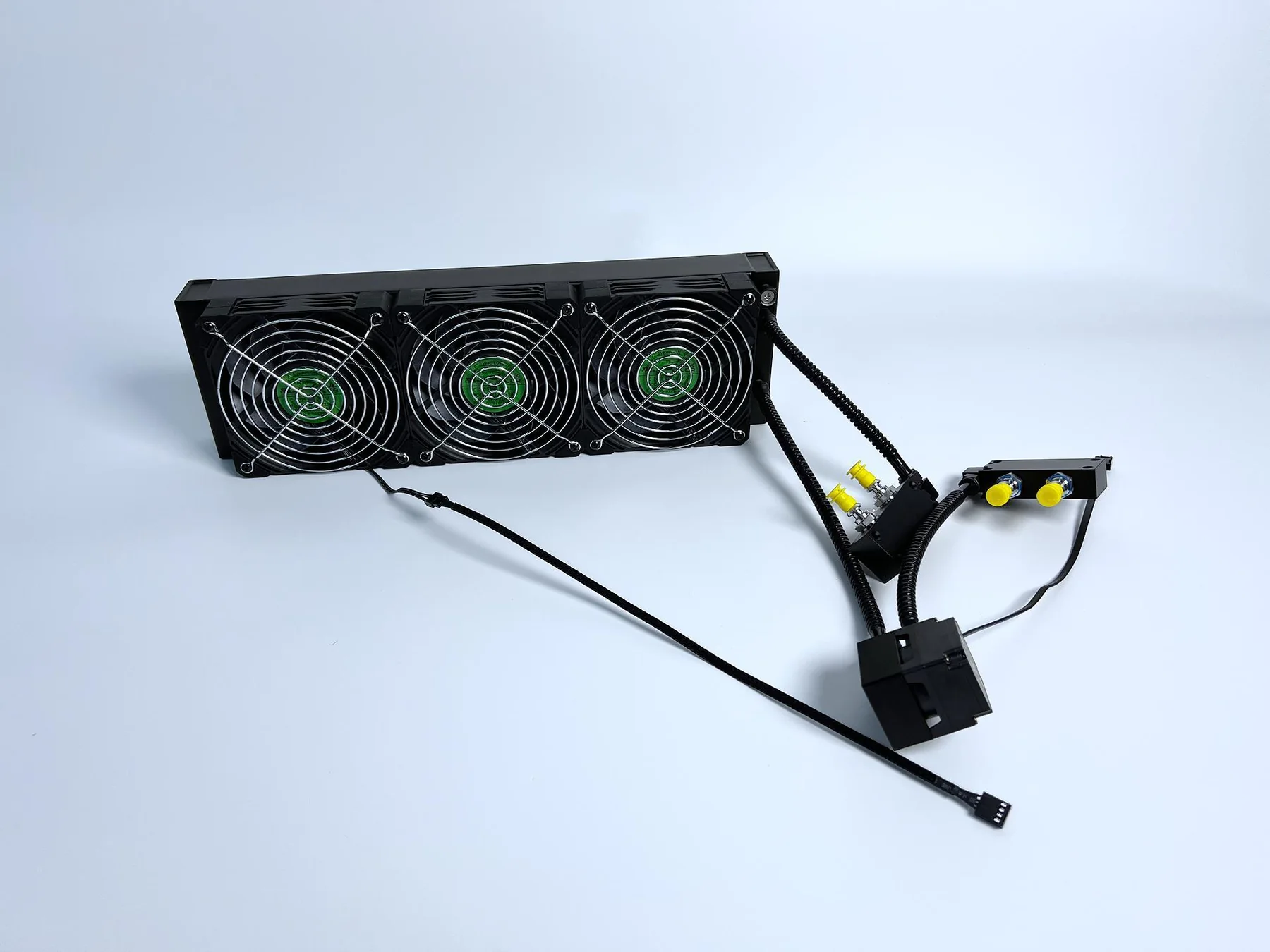
Independent CPU and GPU Loops
- Best fit
- Programs that need separate control, test or service for CPU and GPU cooling.
- Required input
- Both heat cases, available radiators, pumps, routing, power and control interfaces.
- Integration note
- Separate pumps and radiators need more space and add filling and service work.

Integrated CPU and GPU Loop
- Best fit
- OEM platforms with both heat sources, chassis space and noise targets considered in one cooling design.
- Required input
- Concurrent load, flow allocation, pressure drop, pump/radiator, routing and fault response.
- Integration note
- Test the complete PC configuration under simultaneous CPU and GPU loads.
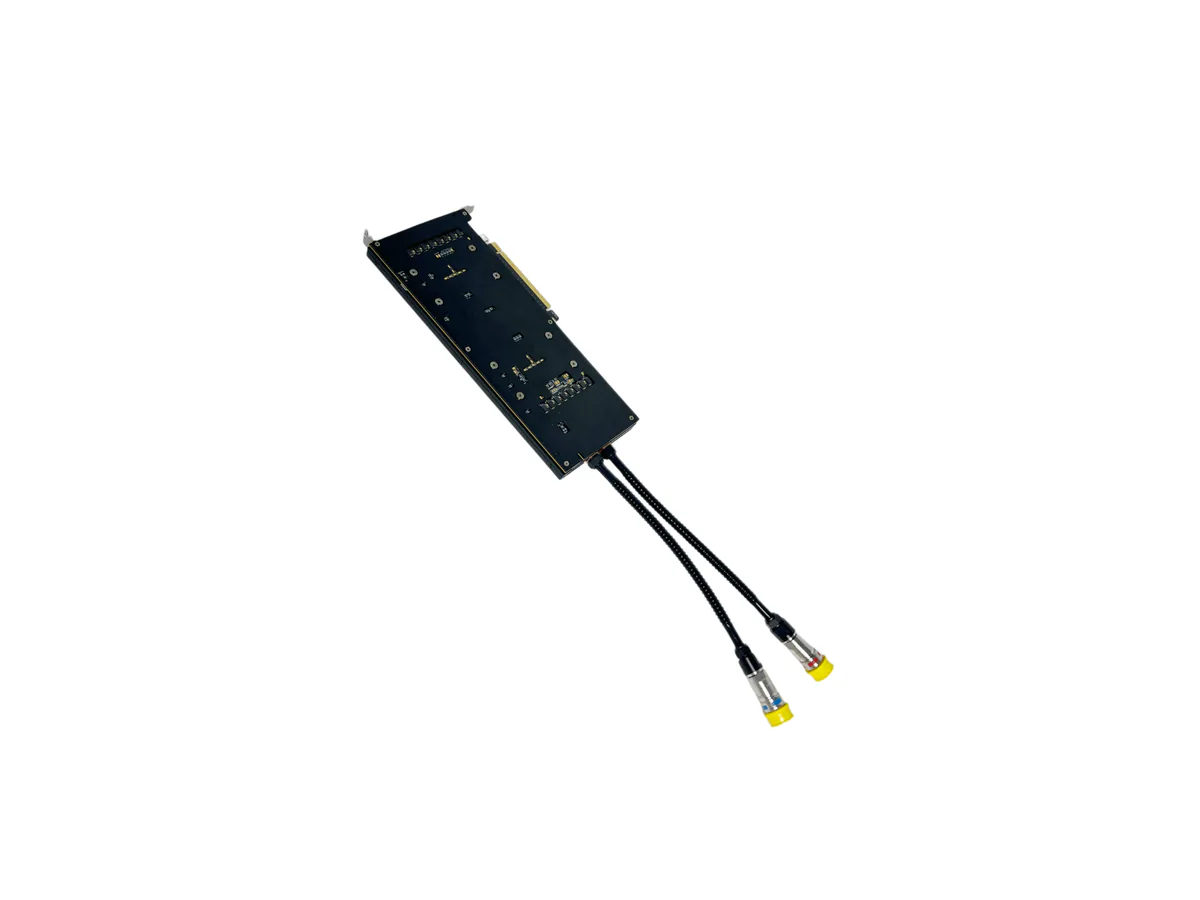
Compatibility with the Board and Chassis
We check the actual socket, PCB and enclosure dimensions. Cards using the same GPU chip can have different component positions and mounting holes, so the board revision matters.
Brand, exact PCB revision, core, memory, VRM, TIM and component heights.
CAD, radiator and fan locations, card spacing, assembly motion and residual airflow.
Coolant, pump, flow/pressure, connectors, hose route, power, PWM and sensors.
Finish, label, visible tubing, lighting interface and approved visual sample.
Prototype stage, platform variants, quantity, packaging and revision schedule.
Temperature, Noise, Appearance and Reliability Tests
We agree tests for the cooling assembly and your complete PC configuration. Appearance samples are assessed separately from thermal, acoustic and leak-test results.
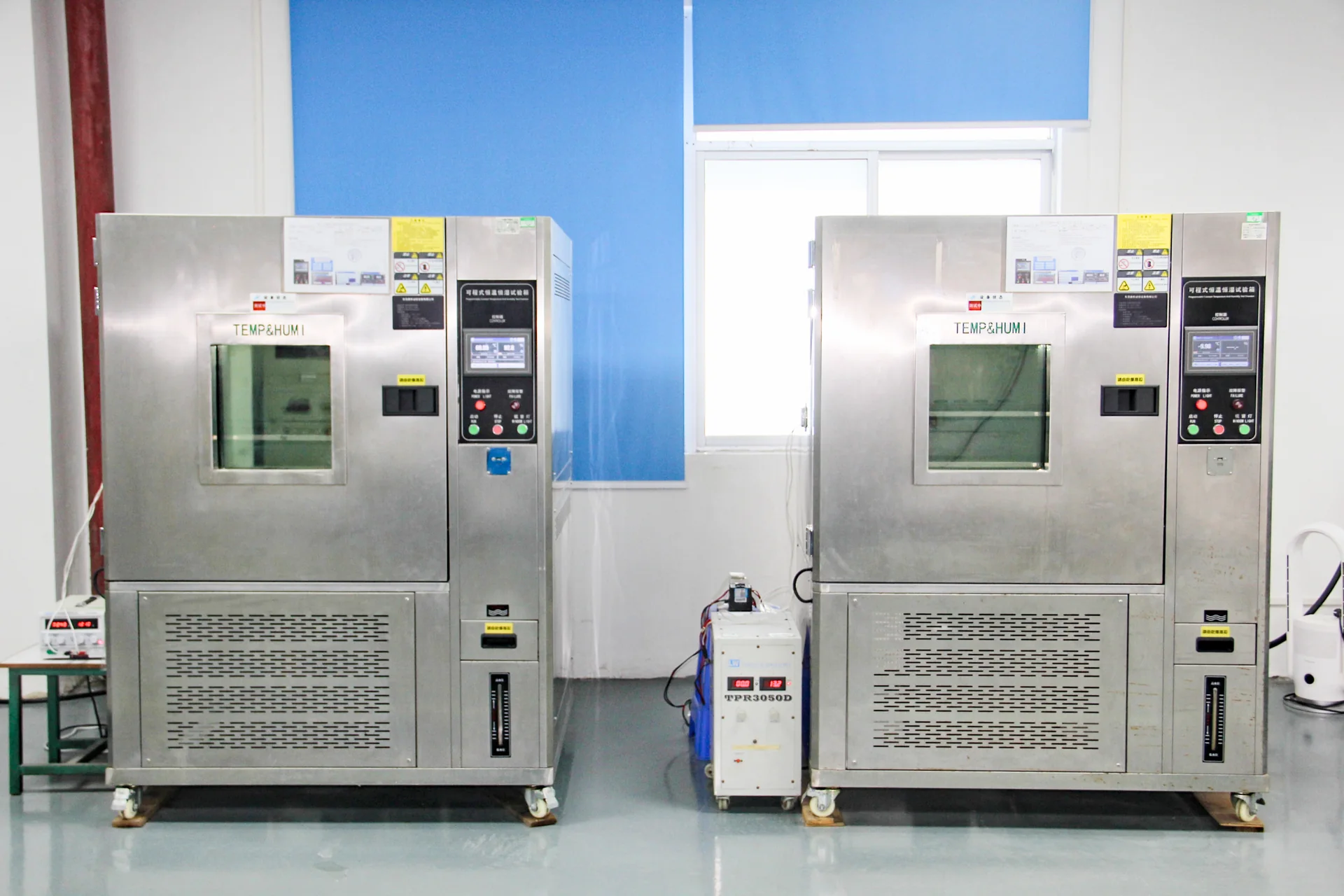
Thermal
Record workload, ambient, coolant, flow, temperatures, pump/fan control and measurement points.
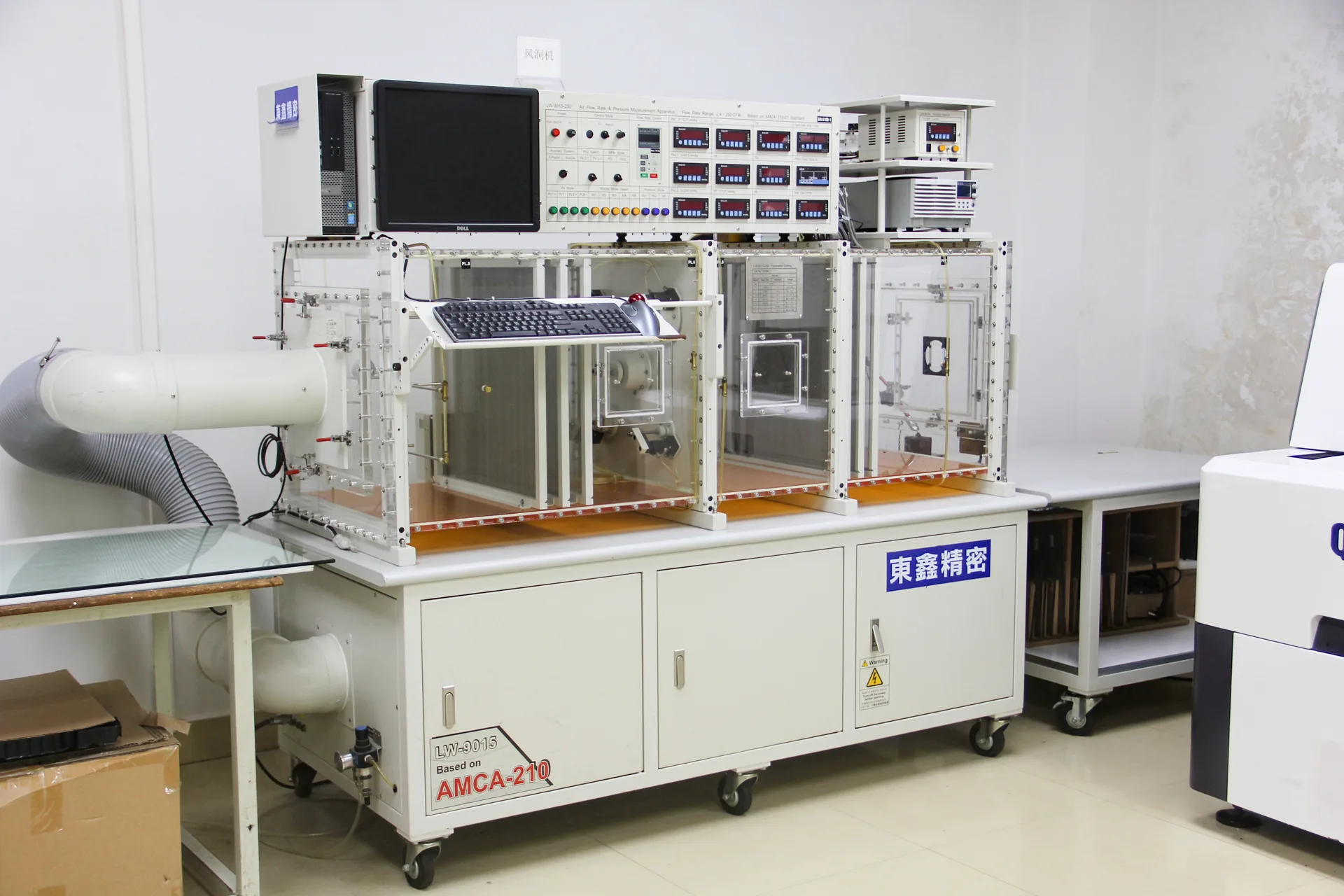
Acoustic & Airflow
Define operating mode, residual airflow, position, distance, background and pass criteria.
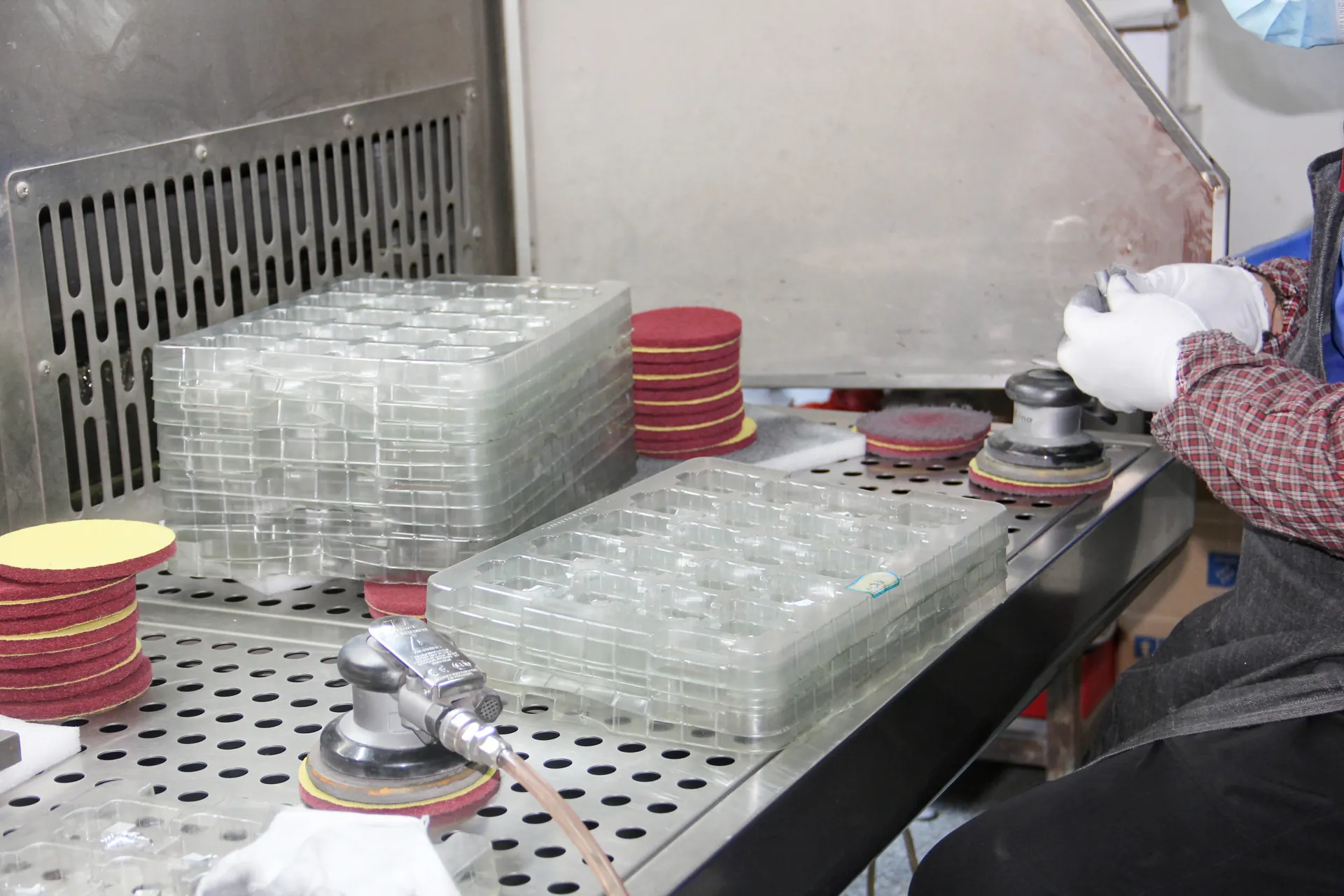
Color, Materials and Finish
Agree the color, finish, labels, visible tubing and any lighting interfaces using an approved sample.
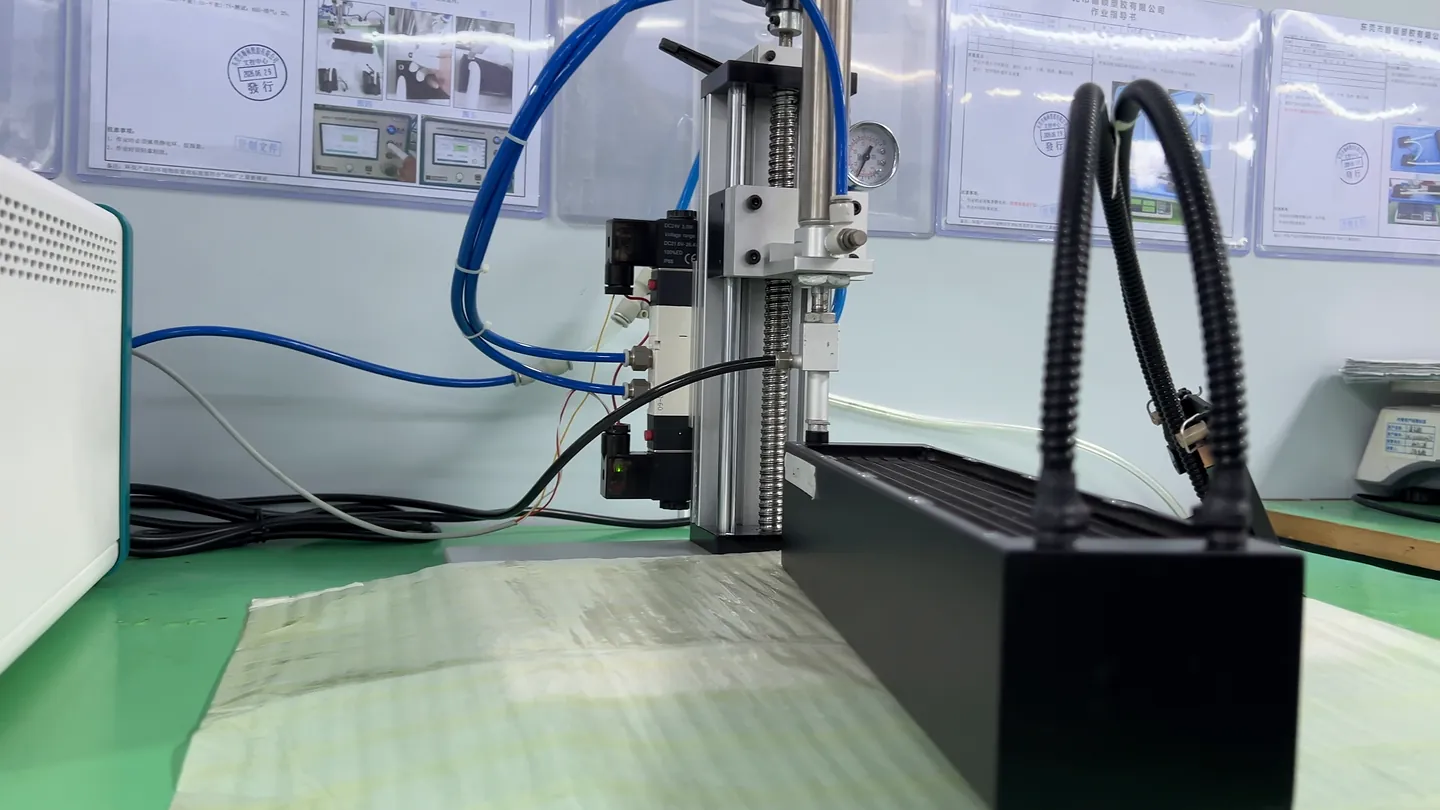
Reliability
Plan material, cleaning, filling, leak/pressure, cycling and packaging checks to answer defined risks.
Prototypes and Hardware Updates
We develop the sample around a specified board and chassis. When a platform changes, we check mounting, contact and routing before carrying the design into the next build.
Scope
Agree the hardware, product requirements and test criteria.
Prototype
Build a sample for fit, function and complete-system evaluation.
System Validation
Test the specified PC configuration under representative gaming and combined loads.
Pilot
Confirm assembly, test, packaging, appearance and label requirements.
Production
Use the approved component list and record the configuration for repeat orders.
Gaming PC Liquid Cooling FAQ
Common questions about OEM projects, board fit, noise and appearance.
Does ThermalBro sell retail liquid cooling kits to individual PC builders?
Our service is focused on OEMs, system integrators and cooling brands developing products for repeat supply. Contact us with your platform and quantity requirements for a project discussion.
Can one system cool both the CPU and GPU?
We can evaluate a shared CPU/GPU loop. Cooling capacity, flow distribution, pressure drop, pump and radiator selection, and service access must suit the combined workload.
Why is the exact GPU PCB revision required?
Cards with the same GPU name can differ in component location, height, mounting, connectors and clearances. The exact revision is required to confirm fit.
Can ThermalBro review small-form-factor gaming systems?
Yes, subject to the exact chassis, hardware, radiator and fan locations, pump and tubing envelope, assembly route, service access and thermal and acoustic goals.
Can appearance, branding or lighting be included in the project?
We can discuss finishes, labels, visible tube routing and lighting interfaces for the specified product. The final details are agreed with the engineering design and sample.
How should gaming PC noise be measured?
Define workload, system mode, ambient, pump and fan control, microphone position, distance, background noise and pass criteria.
Can ThermalBro provide an absolute leak-free or fixed performance guarantee?
Performance is specified for an agreed hardware configuration and operating conditions. Leak and pressure tests help check assembly quality but do not establish a lifetime zero-leak guarantee.
Discuss Your Gaming PC Cooling Design
Send the board and chassis details, together with your cooling and appearance requirements. We will review suitable module options and prototype requirements.
- Exact CPU, GPU and PCB revision
- Chassis CAD and cooling envelope
- Sustained and concurrent workload
- Temperature and acoustic goals
- Appearance, control and packaging
- Quantity and platform schedule