Test sample
Exact product, sample and revision.
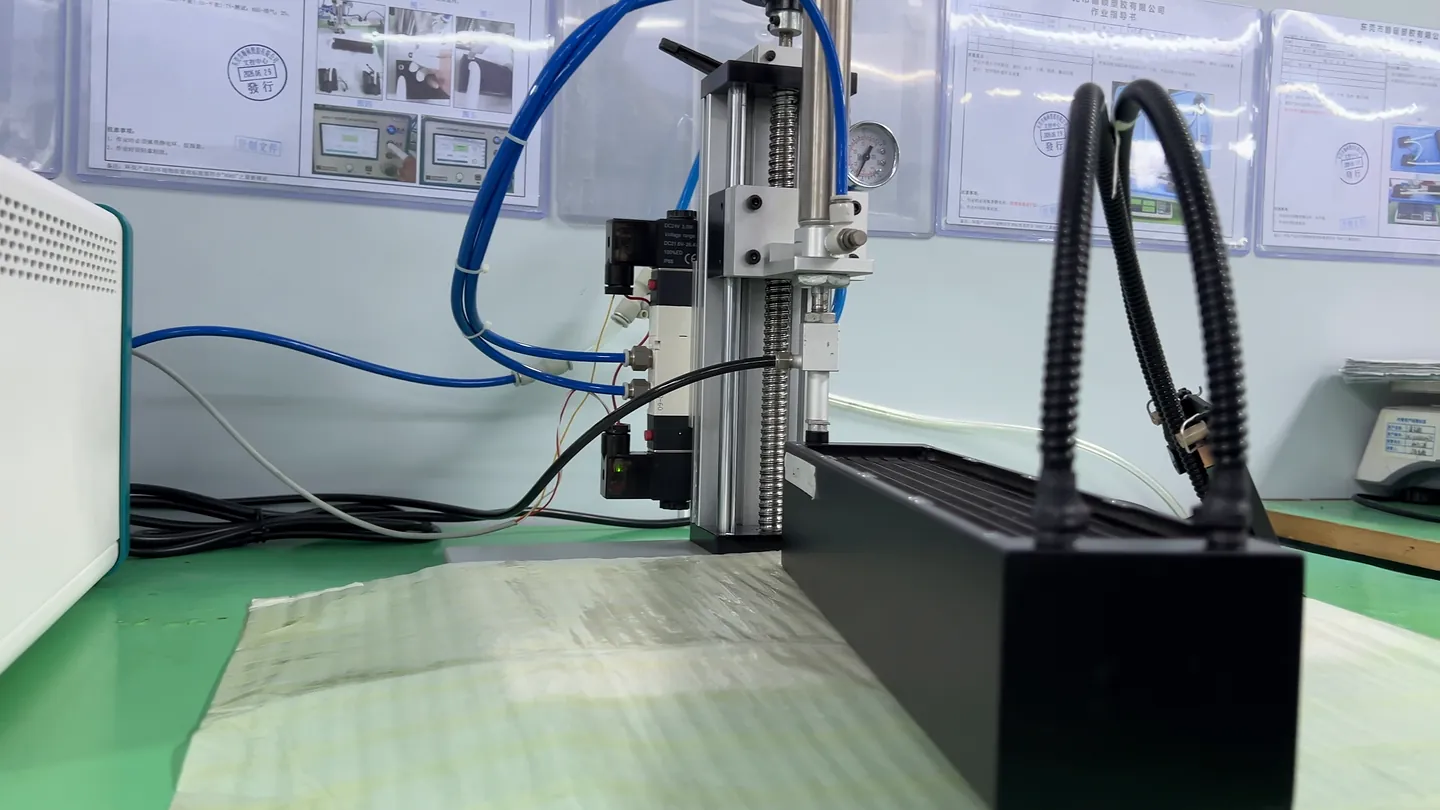
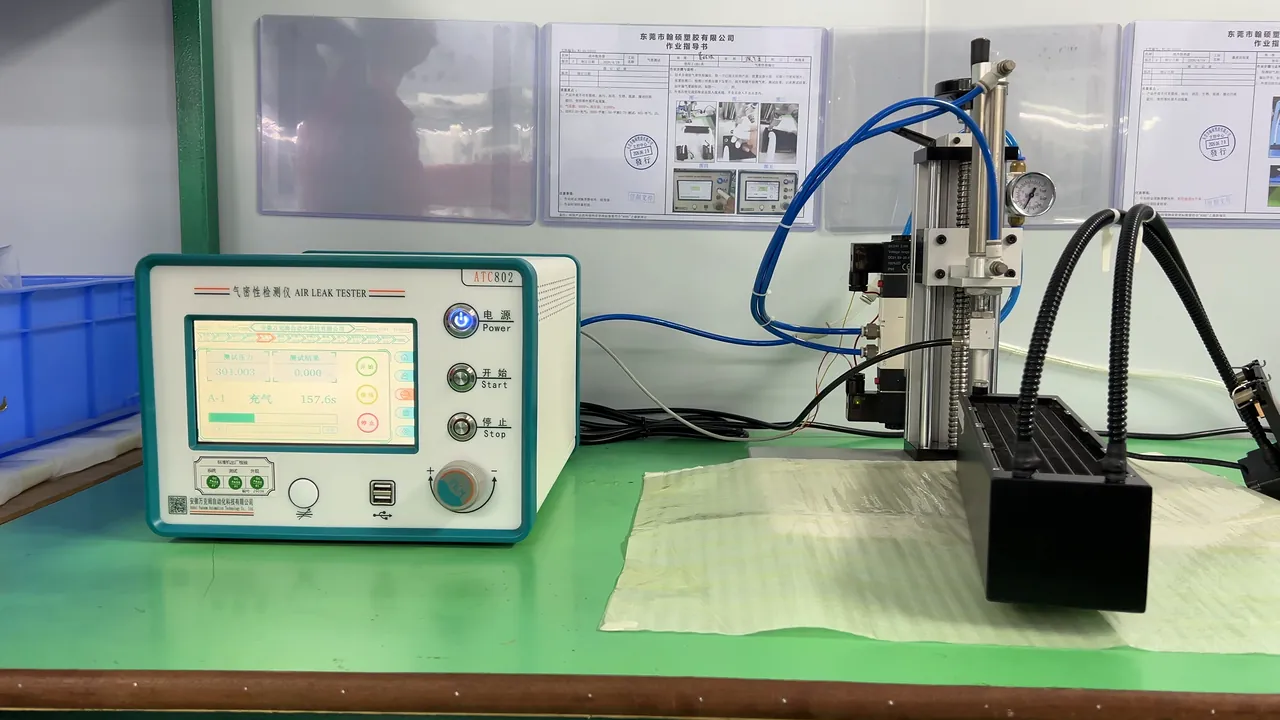
We leak-test liquid cooling products before shipment and plan additional pressure, thermal, aging and environmental checks for your project. The sample, test conditions and pass criteria are agreed before testing.
Match each test to the question you need answered, then define the sample, setup and acceptance criteria.
| Test area | Question it can answer | Inputs still required | What it does not prove by itself |
|---|---|---|---|
| Leak / air tightness | Was leakage detected under the agreed check? | Assembly state, method, medium, condition, duration and criteria | Lifetime sealing or a universal pressure rating |
| Pressure | How did the module behave at the specified pressure and duration? | Load profile, medium, duration, sample and acceptance | Thermal performance or service life |
| Thermal | Did the identified build meet the target operating point? | Load, coolant, flow, temperatures, ambient, mounting and measurement points | Performance in every customer system |
| Aging / temperature | How did the sample respond to the defined exposure or cycle? | Risk, sample quantity, cycle, duration and failure criteria | A lifetime or 7×24 reliability claim |
Agree these six items so the results can be assessed against your product requirements.
Exact product, sample and revision.
What is installed, filled and connected.
How the characteristic will be checked.
Loads, medium, temperatures and duration.
The result that counts as pass or fail.
Required data, identity and approval format.
Have a test specification or internal acceptance target?
Send the current revision, conditions, criteria and required record.
Leak tests check sealing, pressure tests check behavior under pressure, and thermal tests measure cooling performance under specified conditions.
Looks for leakage in a defined assembly state.
Checks the module under a specified pressure, duration and test medium.
Measures temperatures under a defined heat load, coolant flow and operating environment.
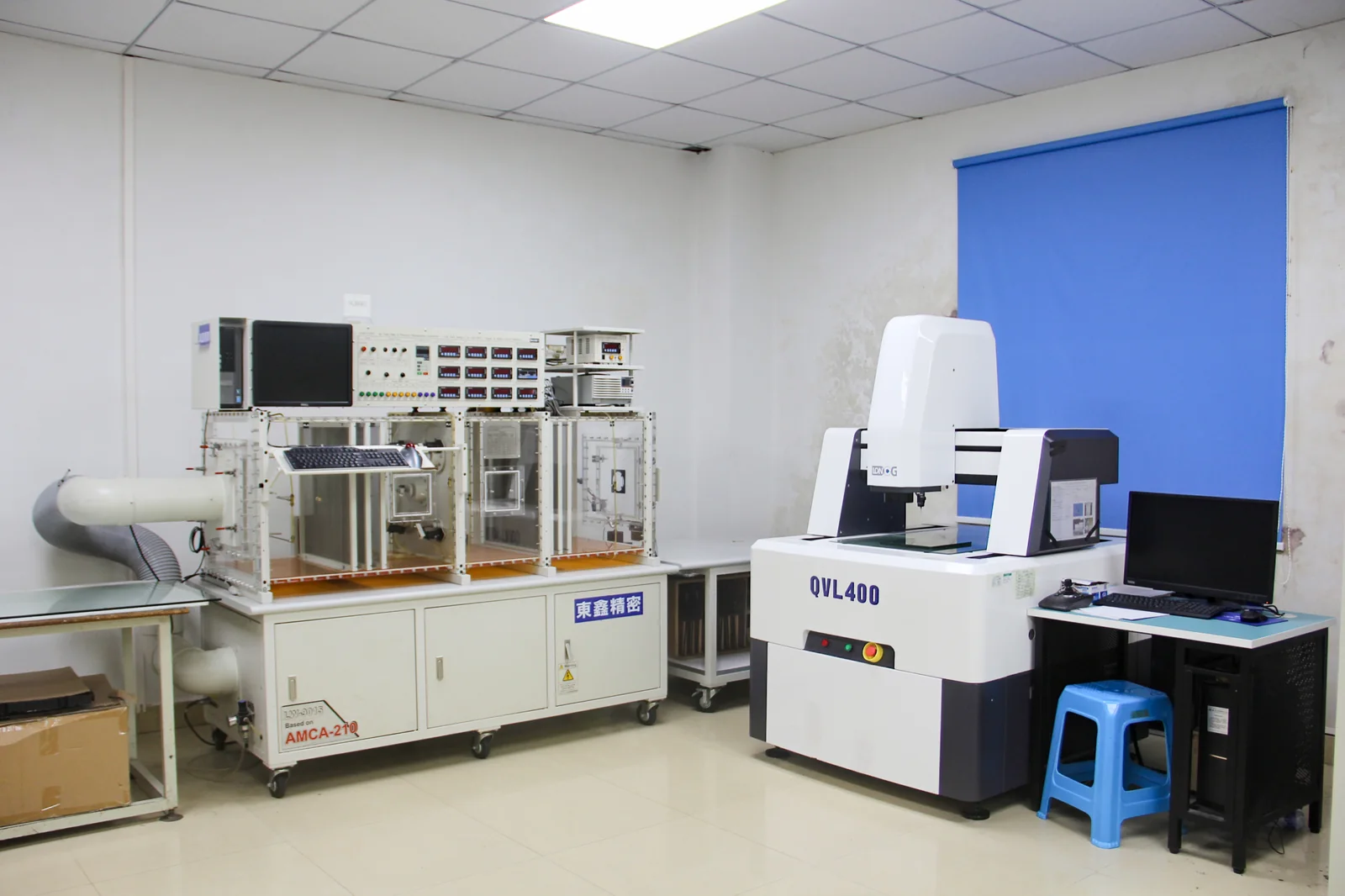
Operating-aging and high- or low-temperature tests check module behavior under an agreed exposure or cycle. The duration, sample quantity and failure criteria depend on the intended use.
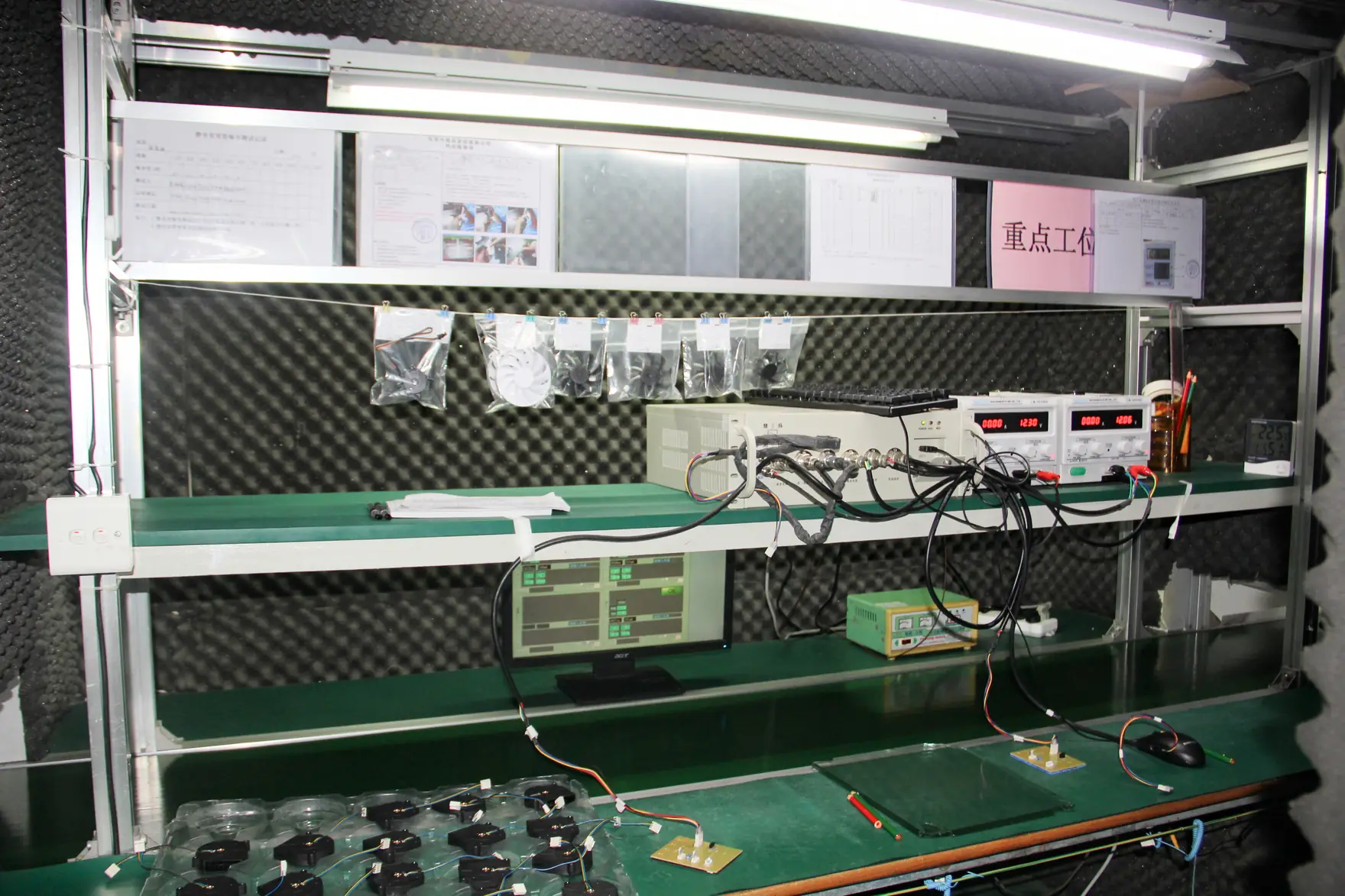
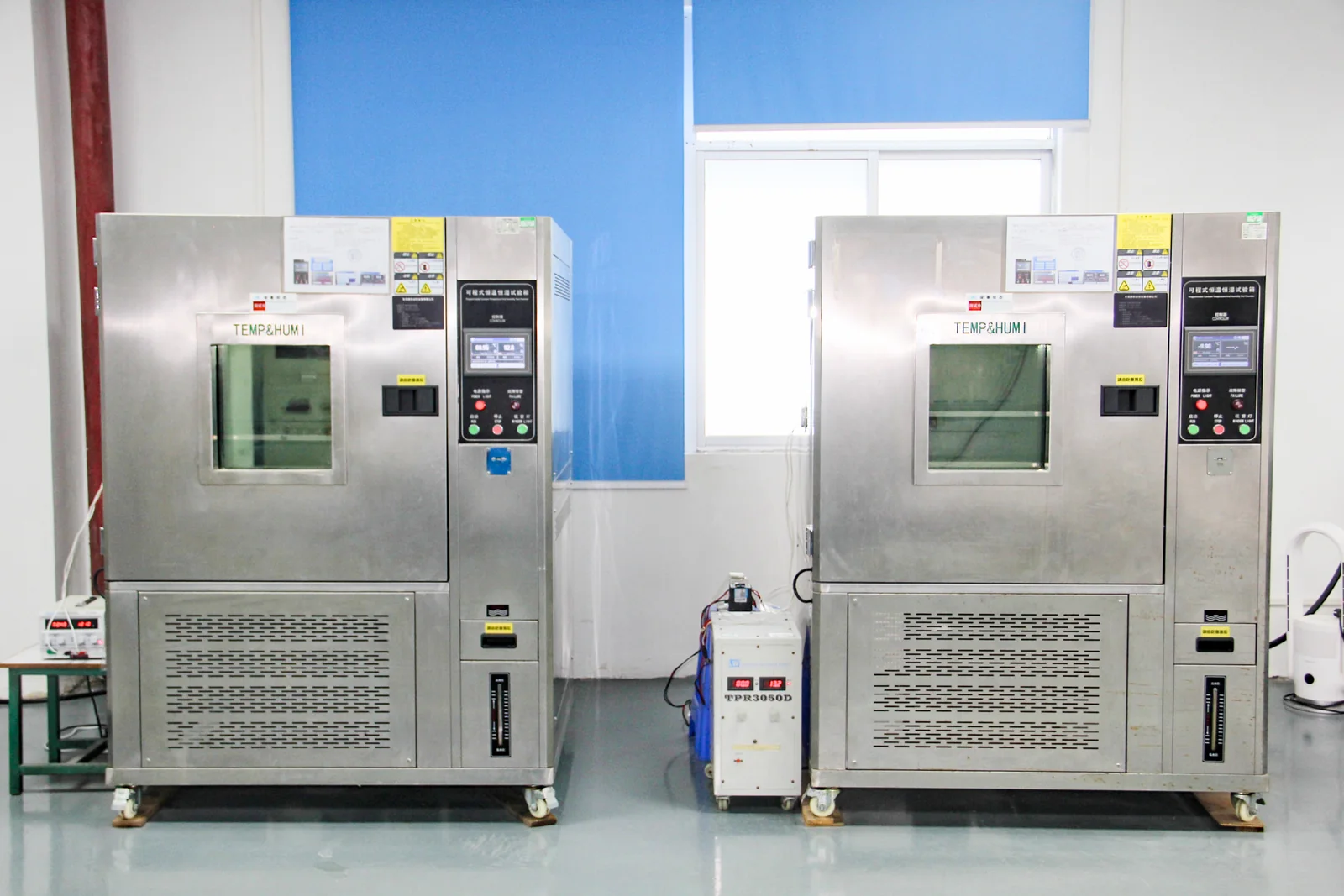
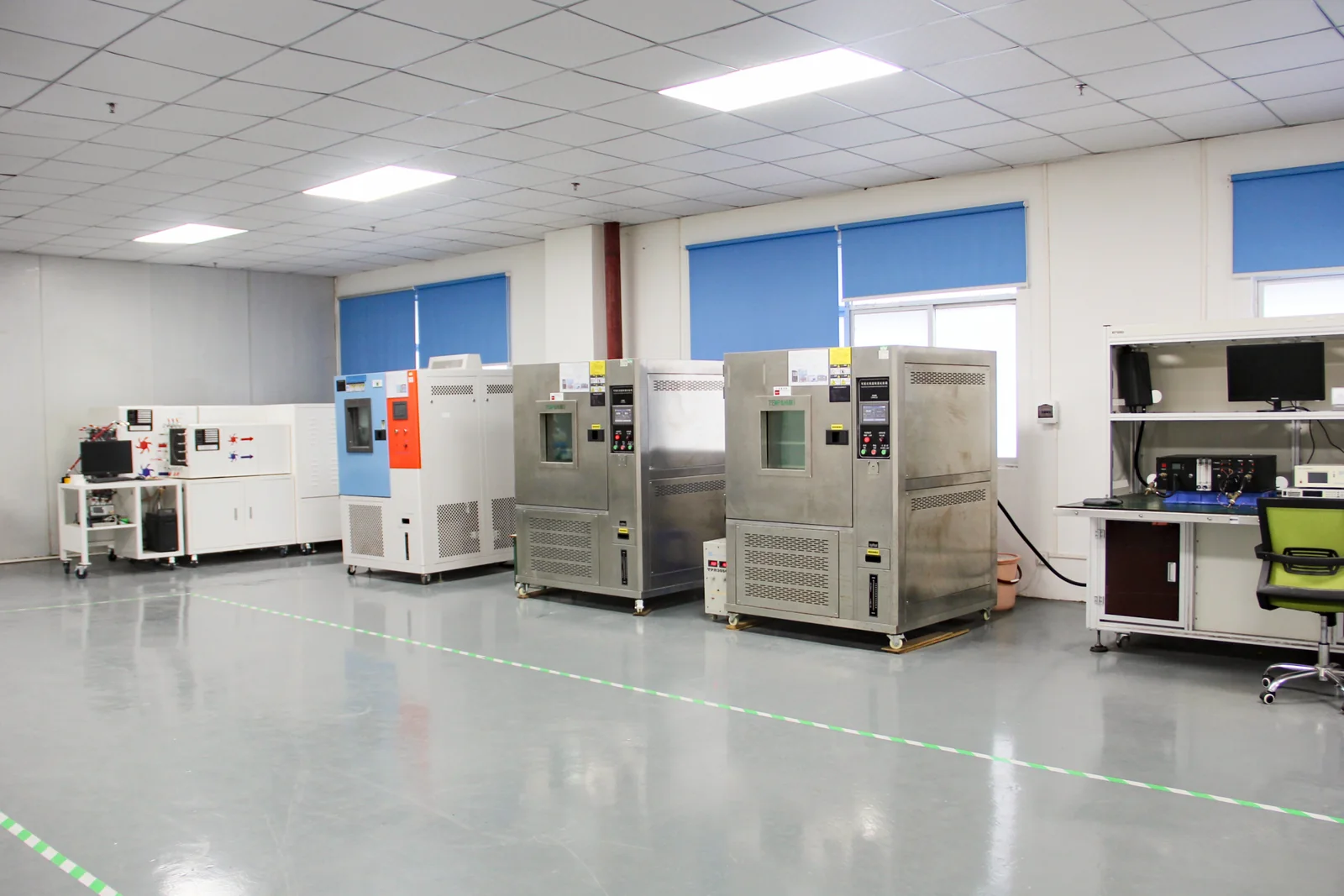
Records identify the tested module, conditions and results. Final equipment testing then confirms how the module performs after integration.
We record module results against the agreed factory test setup and acceptance criteria.
The customer confirms the final server, workstation or equipment configuration with its actual workload, coolant, environment, service sequence and regulatory responsibilities.
Both module and complete-system results matter.
Yes. We leak-test liquid cooling products before shipment. The assembly state, method, medium, pressure, duration and acceptance criteria are defined for the applicable product.
Leak testing looks for leakage under defined conditions. Pressure testing evaluates behavior at a specified pressure and duration. One test does not automatically establish the result of the other.
Define heat load, coolant, inlet temperature, flow, ambient conditions, mounting and interface material, fan and pump state, measurement points and the steady-state rule.
Aging and temperature tests provide results for the specified sample, duration and exposure. A service-life prediction requires a suitable reliability model and supporting data; passing one test alone does not establish lifetime.
No. Factory testing records product behavior under agreed conditions. The customer still validates the complete system, actual workload, coolant, environment, service sequence and regulatory requirements.
The agreed record identifies the module and revision, method, setup, test conditions, results, pass/fail decision and any repair or retest status.
Send the module specification, operating conditions, required tests and pass criteria. We will review the test plan and any missing details.